How to Choose a Diamond: A Step-by-Step Framework
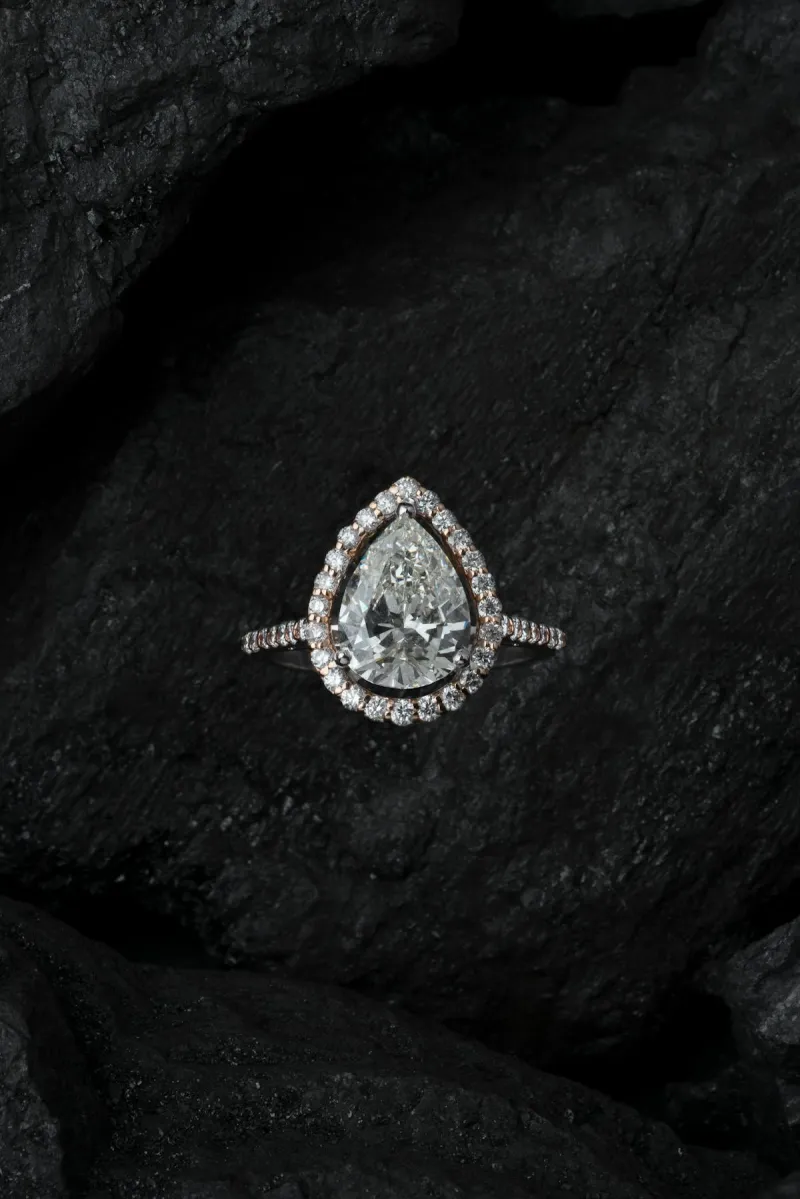
Choosing a diamond can feel overwhelming when you are faced with thousands of options, each described by a combination of grades, measurements, and technical terms. The good news is that diamond selection becomes straightforward once you follow a logical process. This guide provides a clear, step-by-step framework that helps you find the most beautiful diamond within your budget, whether you are shopping for an engagement ring, an anniversary gift, or a personal treat.
Step 1: Set Your Budget
Before looking at any diamonds, decide what you can comfortably spend. Ignore the outdated "two months' salary" guideline; it was a marketing invention with no practical basis. Your budget should be an amount that does not strain your finances or require significant debt.
- Remember that the budget needs to cover both the diamond and the setting.
- Settings typically range from 300 to 2,000 pounds for standard designs, and more for complex custom work.
- Allocate roughly 70 to 80 percent of your total budget to the diamond and the remainder to the setting.
Step 2: Choose Natural or Lab-Grown
This decision has the biggest impact on how far your budget stretches. Lab-grown diamonds cost 60 to 85 percent less than natural diamonds of equivalent quality. If resale value and natural origin matter to you, go natural. If maximising size and quality within budget is the priority, lab-grown delivers more for less. See our full natural vs. lab diamonds comparison for help deciding.
Step 3: Select a Shape
Shape is the most personal choice and should be decided early because it influences everything that follows, including which cut parameters to evaluate, how visible colour and clarity are, and the per-carat price.
| Priority | Recommended Shape | Why |
|---|---|---|
| Maximum sparkle | Round brilliant | Best light performance of any shape |
| Largest appearance per carat | Oval, marquise, or pear | Elongated shapes spread weight across more surface area |
| Vintage elegance | Emerald or Asscher | Step-cut facets create sophisticated hall-of-mirrors effect |
| Modern style on a budget | Princess or cushion | Good brilliance at 25-40% less than round |
| Unique statement | Pear, marquise, or heart | Distinctive shapes that stand out from the crowd |
Explore all options in our diamond shapes guide.
Step 4: Prioritise Cut Quality
Cut is the single most important factor in a diamond's beauty. It determines how much light the diamond captures and returns to your eye. A well-cut diamond sparkles brilliantly even if its colour or clarity is not top-tier.
- For round brilliants: Insist on GIA Excellent or AGS Ideal cut grade. Very Good is an acceptable alternative if budget is tight.
- For fancy shapes: GIA does not grade cut for non-round shapes. Use AGS-graded stones where available, or evaluate proportions manually using recommended ranges for each shape.
- Never compromise below Good cut grade. The visual difference is too significant.
Step 5: Choose the Right Colour Grade
The best value in diamond colour lies in the near-colourless range (G-J). These diamonds face up white in most settings and cost significantly less than D-F grades. Adjust your target based on the setting metal:
- White gold or platinum: G or H colour is ideal. I is acceptable if budget is limited.
- Yellow or rose gold: I, J, or even K colour works well because the warm metal neutralises faint yellow tint.
- Larger diamonds (over 2 carats): Consider one grade higher, as colour is more visible in bigger stones.
Step 6: Find an Eye-Clean Clarity Grade
The goal with clarity is to find the lowest grade that is still eye-clean, meaning no inclusions are visible to the unaided eye at normal viewing distance.
- Round brilliant, oval, cushion: VS2 to SI1 is typically eye-clean.
- Emerald, Asscher: VS2 or higher, as step-cut facets reveal inclusions more readily.
- Large diamonds (over 2 carats): VS2 or higher recommended.
- Always verify eye-cleanliness using high-resolution images or video rather than relying on the grade alone.
Step 7: Determine Carat Weight
With cut, colour, and clarity parameters set, use the remaining budget to find the largest diamond that meets your criteria. Apply these strategies to maximise size:
- Buy just below magic numbers: 0.90-0.99 instead of 1.00, 1.90-1.99 instead of 2.00. The visual difference is negligible, but the savings are substantial.
- Choose elongated shapes if size appearance matters more than maximum brilliance.
- Consider a halo setting to make the centre stone appear larger.
Read our full carat weight guide for more strategies.
Step 8: Insist on Reputable Certification
Never buy a diamond without an independent grading report from a trusted laboratory. For natural diamonds, GIA or AGS are the gold standard. For lab-grown diamonds, IGI is widely accepted. Verify the report number online before completing your purchase.
Step 9: Review Images and Video
If shopping online, insist on high-resolution images and 360-degree video of the actual diamond (not stock images). Look for:
- Strong light return and even scintillation pattern
- No visible dark spots or prominent bow-tie effect (in elongated shapes)
- Inclusions that are not visible in the face-up view
- Proportions that match your shape's recommended ranges
Step 10: Choose the Right Setting
The setting protects your diamond and defines the ring's overall style. Common setting types include:
- Solitaire: A single diamond in a simple band. Timeless and lets the diamond take centre stage.
- Halo: A ring of smaller diamonds surrounds the centre stone, adding sparkle and perceived size.
- Pave: Small diamonds set into the band create a continuous sparkle effect.
- Three-stone: A centre diamond flanked by two smaller stones, symbolising past, present, and future.
- Bezel: A metal rim encircles the diamond, offering maximum protection for active lifestyles.
Explore more options in our jewellery types section and choose a metal from our metals guide.
Quick Reference: Recommended Specifications by Budget
- Budget-friendly (under 2,000 pounds): Lab-grown, 0.75-1.00 ct, G-H colour, VS2-SI1, Excellent cut
- Mid-range (2,000-5,000 pounds): Natural 0.70-0.90 ct or lab-grown 1.50+ ct, G-H colour, VS2-SI1, Excellent cut
- Premium (5,000-10,000 pounds): Natural 1.00-1.30 ct, G-H colour, VS1-VS2, Excellent cut
- Luxury (10,000+ pounds): Natural 1.50+ ct, D-G colour, VVS2-VS1, Excellent cut
Frequently Asked Questions
What is the most important factor when choosing a diamond?
Cut quality has the greatest impact on a diamond's visual beauty. A well-cut diamond maximises brilliance and fire, making it appear brighter and more lively. Always prioritise cut, then balance the remaining Cs within your budget.
Is it better to buy online or in store?
Both have advantages. Online retailers often offer lower prices due to reduced overhead and larger inventories. In-store shopping lets you see the diamond in person. Many buyers research and shortlist online, then view their top choices in person before purchasing.
How do I know if a diamond is good value?
Compare diamonds with similar specifications (same shape, cut grade, colour, clarity, and carat weight) across multiple retailers. Ensure all diamonds have GIA or AGS certification for natural stones. A good deal offers competitive pricing with verified quality.
Should I tell my partner I am buying a diamond?
This depends on your relationship dynamic. Some couples shop together, while others prefer the surprise. If buying without input, research your partner's style preferences by looking at their existing jewellery, browsing their social media saves, or asking close friends or family.