Emerald: The Iconic Green Gemstone
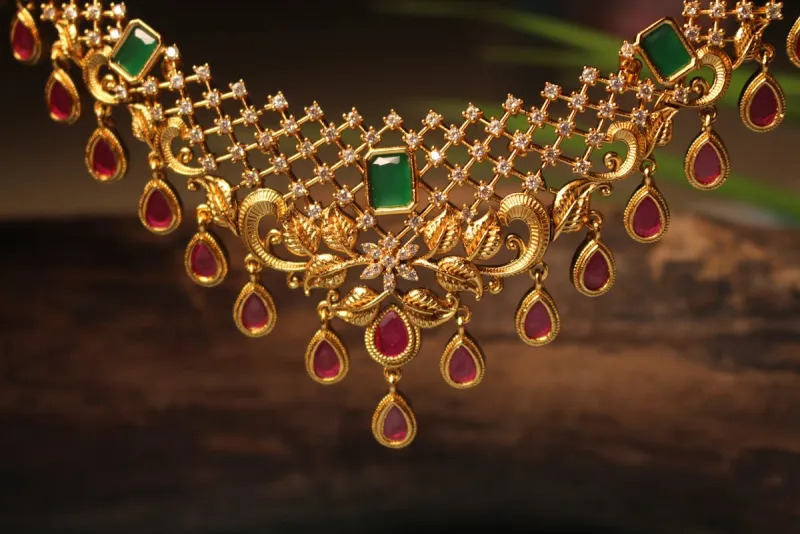
Emerald is the green variety of the mineral beryl and one of the three traditional precious gemstones, alongside ruby and sapphire. Prized for its rich green colour, emerald has been treasured by royalty and collectors for over 4,000 years. From Cleopatra's legendary mines in Egypt to the extraordinary deposits of Colombia and Zambia, the emerald continues to captivate with its lush beauty and romantic history.
Emerald Properties and Characteristics
Emerald belongs to the beryl mineral family, which also includes aquamarine (blue beryl), morganite (pink beryl), and heliodor (yellow beryl). The vivid green colour of emerald is caused by trace amounts of chromium and sometimes vanadium. Emerald rates 7.5 to 8 on the Mohs hardness scale, making it moderately hard but somewhat brittle due to its characteristic internal fractures and inclusions.
| Property | Details |
|---|---|
| Mineral | Beryl (Be3Al2Si6O18) |
| Mohs Hardness | 7.5 – 8 |
| Refractive Index | 1.565 – 1.602 |
| Specific Gravity | 2.67 – 2.78 |
| Colour Cause | Chromium (Cr) and/or Vanadium (V) |
| Crystal System | Hexagonal |
| Cleavage | Imperfect in one direction |
| Lustre | Vitreous |
| Birthstone Month | May |
Emerald Colour
Colour is the most critical factor when assessing an emerald's quality and value. The finest emeralds display a vivid, saturated green with a medium to medium-dark tone. The most desirable hue is a pure green, sometimes with a slight bluish secondary hue, which adds depth without muddying the stone. Emeralds that are too yellow-green or too blue-green are generally less valuable, as are stones that are too light or too dark.
- Hue – Pure green to slightly bluish green is most prized.
- Saturation – Strong to vivid saturation commands the highest prices.
- Tone – Medium to medium-dark tones are optimal. Very dark stones lack brilliance, while very light stones may not qualify as emerald at all.
Clarity: The Emerald Jardin
Unlike diamonds or sapphires, emeralds are almost always included. The French word "jardin" (garden) is used to describe the characteristic internal features of an emerald, which can include fractures, growth tubes, two-phase and three-phase inclusions, and crystals of other minerals. Eye-clean emeralds are exceptionally rare and command enormous premiums.
Because inclusions are expected and accepted in emeralds, the trade evaluates clarity differently than it does for other gemstones. Minor inclusions that do not significantly affect transparency or brilliance are perfectly acceptable and do not dramatically reduce value. However, heavy inclusions that create a cloudy or lifeless appearance will substantially lower a stone's worth.
Emerald Origins
Colombia
Colombia has been the world's most important emerald source for over 500 years. The three primary mining districts are Muzo, Chivor, and Coscuez. Colombian emeralds are famous for their warm, slightly yellowish green colour and exceptional transparency. The finest Colombian emeralds set the global standard for emerald quality and command the highest prices.
Zambia
The Kagem mine in Zambia is the world's single largest emerald mine and has become a major force in the market. Zambian emeralds tend to display a cooler, slightly bluish green colour compared to Colombian stones and often have better clarity. Fine Zambian emeralds offer excellent value and have gained strong acceptance in the market.
Brazil
Brazil produces emeralds from multiple deposits, including Bahia, Minas Gerais, and Goias. Brazilian emeralds vary widely in quality but can be quite fine. The country also produces significant quantities of commercial-grade material.
Other Sources
Ethiopia, Afghanistan, Madagascar, Russia (the Ural Mountains), Pakistan, and Zimbabwe also produce notable emeralds. Ethiopian emeralds have entered the market in increasing quantities since around 2016 and can display excellent colour and clarity.
Emerald Treatments
Due to their characteristically included nature, emeralds are routinely treated to improve their appearance:
- Oil treatment – The most traditional and widely accepted treatment. Cedar oil or other oils are used to fill surface-reaching fractures, improving clarity and lustre. Minor to moderate oiling is standard in the trade.
- Resin filling – Polymers such as Opticon or ExCel are used as more permanent alternatives to oil. Resin-filled emeralds are somewhat less valued than oil-treated stones.
- No treatment – Untreated emeralds of fine quality are extremely rare and can command two to five times the price of comparable oiled stones. A "no oil" or "insignificant oil" designation from a respected laboratory significantly increases value.
Emerald Pricing
Emerald prices range widely depending on colour, clarity, treatment, origin, and size:
- Commercial grade (moderate colour, included): $50 – $500 per carat
- Good quality (good colour, moderately included, oiled): $1,000 – $5,000 per carat
- Fine quality (vivid colour, minor inclusions, minor oil): $8,000 – $30,000 per carat
- Exceptional untreated Colombian: $50,000 – $300,000+ per carat at auction
Buying Tips for Emeralds
- Colour is king – Prioritise a stone with a beautiful, vivid green colour over one that is eye-clean but weakly coloured.
- Accept some inclusions – Eye-clean emeralds are rare and expensive. A stone with minor, well-distributed inclusions that does not compromise beauty or durability is perfectly appropriate for fine jewellery.
- Get a lab report – A report from GIA, Gubelin, SSEF, or CDTEC will confirm natural origin, disclose treatment type and degree, and may determine origin.
- Understand the oil level – Ask about the degree of enhancement. "None," "insignificant," and "minor" oil are preferred over "moderate" or "significant" enhancement.
- Choose a protective setting – Because emeralds are more fragile than sapphires or rubies, consider bezel settings or designs with protective shoulders. Visit our jewellery types section for setting advice.
- Pair with the right metal – Emeralds look stunning in both yellow gold and platinum. Yellow gold enhances the warmth of Colombian emeralds, while white metals complement the cooler tones of Zambian stones.
Emerald Care and Cleaning
Emeralds require more careful handling than sapphires or rubies. Never use ultrasonic or steam cleaners on emeralds, as these can remove oil fillings and worsen existing fractures. Clean emeralds with lukewarm water, mild soap, and a very soft brush. Store them separately from harder stones to prevent scratching. Emeralds may need to be re-oiled periodically by a professional jeweller. For more tips, see our jewellery care guide.
Frequently Asked Questions About Emeralds
Why do emeralds have so many inclusions?
Emeralds form in geological environments that are rich in fluids and other minerals. The conditions that create the chromium-bearing beryl also produce the internal features that are characteristic of emeralds. This is why eye-clean emeralds are so rare and valuable.
Is emerald too fragile for an engagement ring?
While emeralds are softer and more brittle than sapphires or diamonds, they can be worn in engagement rings with the right setting and reasonable care. A bezel or halo setting with protective shoulders helps guard against impacts. Many emerald engagement rings have been worn daily for decades.
What is the difference between emerald and peridot?
Emerald and peridot are entirely different minerals. Emerald is beryl coloured by chromium, while peridot is olivine coloured by iron. Emerald is generally darker, more included, and far more valuable. See our emerald vs peridot comparison for a full analysis.
Are Colombian emeralds the best?
Colombian emeralds have long been considered the benchmark for quality, but fine emeralds from Zambia, Ethiopia, and other sources can be equally beautiful. Origin alone does not guarantee quality; colour, clarity, and treatment status are what truly matter.
What is the May birthstone?
Emerald is the birthstone for May and symbolises rebirth, love, and wisdom. See our complete birthstone guide for all twelve months.