Aquamarine: The Serene Blue Beryl
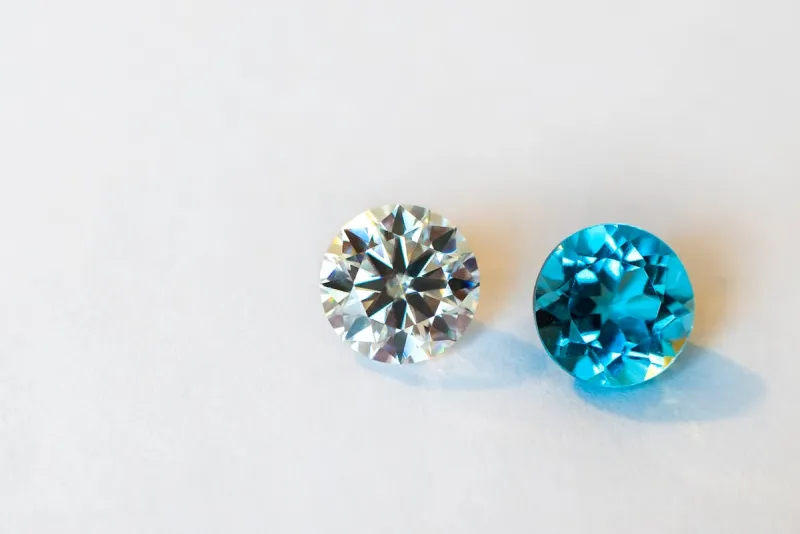
Aquamarine, whose name derives from the Latin words for "water" and "sea," is a blue to blue-green variety of the mineral beryl, the same mineral family that produces emeralds. Renowned for its serene, ocean-like colour and excellent clarity, aquamarine has been a favourite gemstone for centuries. It is the March birthstone and a popular choice for jewellery that evokes calm, elegance, and the tranquil beauty of the sea.
Aquamarine Properties and Characteristics
Aquamarine is the blue variety of beryl, coloured by trace amounts of iron. It rates 7.5 to 8 on the Mohs hardness scale, making it a durable choice for most types of jewellery. Unlike its cousin emerald, aquamarine typically forms with far fewer inclusions, often producing large, eye-clean crystals of exceptional transparency.
| Property | Details |
|---|---|
| Mineral | Beryl (Be3Al2Si6O18) |
| Mohs Hardness | 7.5 – 8 |
| Refractive Index | 1.577 – 1.583 |
| Specific Gravity | 2.68 – 2.74 |
| Colour Cause | Iron (Fe2+ and Fe3+) |
| Crystal System | Hexagonal |
| Lustre | Vitreous |
| Birthstone Month | March |
Aquamarine Colour
The most valued aquamarines display a medium to medium-dark blue, sometimes with a slight greenish tint. In the trade, the most prized shade is called "Santa Maria" blue, named after the famous Brazilian mine. This deep, saturated blue is relatively rare in aquamarine, as the stone naturally tends toward lighter tones.
- Santa Maria blue – A deep, saturated blue with minimal green. The most valuable shade, predominantly associated with Brazilian stones.
- Santa Maria Africana – Deep blue aquamarine from Mozambique that rivals classic Brazilian material in colour intensity.
- Medium blue – An attractive, well-saturated blue that represents excellent value for most buyers.
- Light blue – Pale, sky-blue stones that are abundant and affordable. They have a delicate beauty but lack the depth collectors seek.
The Green Question
Many natural aquamarines have a slight greenish tint caused by a mix of Fe2+ and Fe3+ iron. Heat treatment can eliminate the green component, producing a purer blue. While both colours are attractive, the market generally prefers a pure blue, and heat treatment is universally accepted.
Aquamarine Sources
Brazil
Brazil, particularly the state of Minas Gerais, has been the world's most important aquamarine source for decades. The Santa Maria de Itabira mine produced the legendary "Santa Maria" colour. Brazil also yielded the largest gem-quality aquamarine crystal ever found, the Dom Pedro, which weighed over 10,000 carats in its finished form.
Mozambique and Nigeria
African deposits have become increasingly important. Mozambican aquamarines can display the coveted deep "Santa Maria Africana" blue, while Nigerian stones are also highly regarded for their colour intensity.
Pakistan and Afghanistan
The mountainous regions of northern Pakistan and Afghanistan produce exceptional aquamarine crystals, many of which are sought by mineral collectors as well as gem cutters.
Other Sources
Madagascar, Zambia, Sri Lanka, Russia (Siberia), Myanmar, and the United States (Colorado) also produce aquamarine of varying quality.
Aquamarine Treatments
The primary treatment for aquamarine is heat treatment to remove greenish tones and produce a purer blue colour. This treatment is permanent, stable, and universally accepted in the trade. It is so common that untreated and treated aquamarines are generally valued equally, unlike in the ruby or sapphire market where treatment status significantly affects price.
Aquamarine is not typically subjected to fracture filling, irradiation, or other enhancements. This makes it one of the more straightforward gemstones to purchase.
Aquamarine Pricing
- Light blue (small sizes): $10 – $50 per carat
- Medium blue (1-5 ct): $50 – $200 per carat
- Fine blue (5-10 ct): $200 – $500 per carat
- Santa Maria colour (10+ ct): $500 – $1,500+ per carat
Because aquamarine often forms large crystals, bigger stones are more available than in many other gemstones. Prices per carat increase moderately with size rather than exponentially.
Buying Tips for Aquamarine
- Colour depth matters most – The deeper and more saturated the blue, the more valuable the stone. Avoid stones that appear washed out or overly pale unless you prefer the lighter aesthetic.
- Expect excellent clarity – Aquamarine should be eye-clean. Since clean material is readily available, there is no reason to accept visible inclusions.
- Consider larger sizes – Aquamarine's affordability in larger sizes means you can own an impressive stone. Larger stones also tend to show deeper colour saturation.
- Cut quality is key – A well-cut aquamarine maximises colour depth and brilliance. Step cuts (emerald cut) and scissor cuts are popular choices that enhance the stone's clarity and colour.
- White metals complement best – Aquamarine pairs naturally with white gold, platinum, and silver, which echo its cool blue tones. Yellow gold can create a vintage-inspired contrast.
Aquamarine in Jewellery
Aquamarine's excellent hardness and clarity make it suitable for all jewellery types. It is particularly popular in cocktail rings, pendants, and earrings where its serene colour can be showcased. Aquamarine engagement rings are gaining popularity among buyers seeking an alternative to traditional diamond rings. The stone also pairs beautifully with diamonds in halo and accent settings, creating elegant pieces suited to both casual and formal occasions.
Aquamarine Care
Aquamarine is relatively easy to care for. Clean with warm soapy water and a soft brush. Ultrasonic cleaners are generally safe for aquamarine. Avoid steam cleaners and sudden temperature changes. While aquamarine is fairly hard, it can still be scratched by harder stones, so store it separately. Prolonged exposure to intense heat can alter colour. For detailed care advice, visit our jewellery care guide.
Frequently Asked Questions About Aquamarine
Is aquamarine the same as blue topaz?
No. Aquamarine is beryl, while topaz is a different mineral entirely. They can look similar in colour, but aquamarine is generally softer in hue and more expensive than treated blue topaz. Aquamarine also has different optical properties and a lower refractive index.
Does aquamarine fade in sunlight?
Aquamarine is generally colour-stable and does not fade with normal sun exposure. However, prolonged exposure to intense heat could potentially affect colour. Normal wear and everyday sunlight are not a concern.
Is aquamarine durable enough for an engagement ring?
With a hardness of 7.5-8, aquamarine is reasonably durable for engagement rings. It is not as hard as sapphire or diamond but can handle daily wear with appropriate care. Choose a protective setting for added security.
What is the March birthstone?
Aquamarine is the primary birthstone for March, symbolising courage, serenity, and clear communication. See our full birthstone guide for all twelve months.