Garnet: A Rainbow of Gemstone Varieties
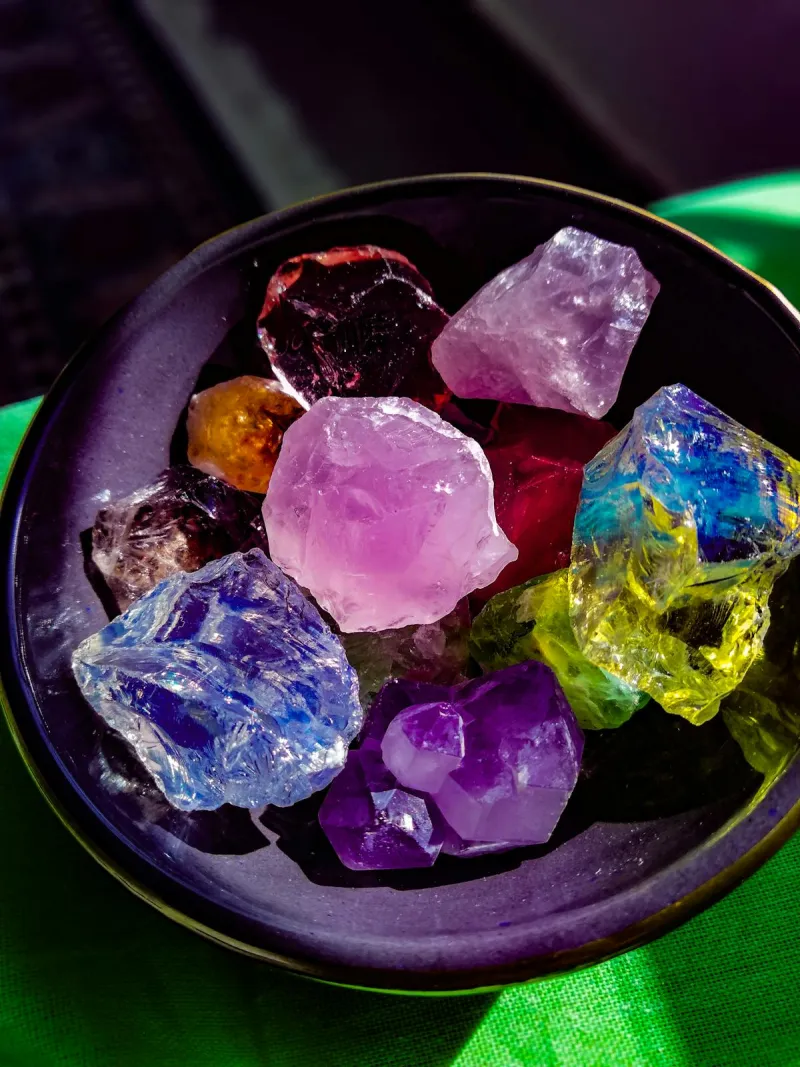
When most people think of garnet, they picture a deep red stone. In reality, garnets are a diverse group of minerals that occur in nearly every colour imaginable, from the classic red of almandine and pyrope to the vivid green of tsavorite and the fiery brilliance of demantoid. Garnet is the January birthstone and one of the most historically significant gemstone families, used in jewellery since the Bronze Age.
Garnet Properties and Characteristics
Garnet is not a single mineral but a group of closely related minerals that share a common crystal structure but differ in chemical composition. All garnets crystallise in the cubic system, which means they are singly refractive, a property that helps gemmologists distinguish them from other gemstones. Hardness varies by species, ranging from 6.5 to 7.5 on the Mohs scale.
| Garnet Species | Colour | Hardness |
|---|---|---|
| Almandine | Deep red to reddish-brown | 7 – 7.5 |
| Pyrope | Blood red to purplish-red | 7 – 7.5 |
| Rhodolite | Pinkish-red to raspberry | 7 – 7.5 |
| Spessartine | Orange to reddish-orange | 6.5 – 7 |
| Grossular (Tsavorite) | Vivid green | 6.5 – 7 |
| Grossular (Hessonite) | Cinnamon orange | 6.5 – 7 |
| Andradite (Demantoid) | Green to yellowish-green | 6.5 – 7 |
| Colour-Change Garnet | Blue-green in daylight, purple in incandescent | 7 – 7.5 |
Notable Garnet Varieties
Rhodolite Garnet
Rhodolite is a blend of pyrope and almandine that displays an attractive pinkish-red to raspberry colour. It is one of the most popular garnets in the jewellery market thanks to its bright, lively appearance and wide availability. Fine rhodolite from Tanzania and Mozambique offers excellent value.
Tsavorite Garnet
Tsavorite is the green variety of grossular garnet, coloured by chromium and vanadium. Discovered in Tanzania in 1967 by Scottish gemmologist Campbell Bridges, tsavorite can rival emerald in colour intensity while typically offering superior clarity. Fine tsavorite over 2 carats is genuinely rare and commands strong prices.
Demantoid Garnet
Demantoid is the green variety of andradite garnet and one of the rarest gemstones in the world. Its name comes from "diamond-like," referring to its exceptional fire (dispersion of 0.057, higher than diamond's 0.044). Russian demantoid from the Ural Mountains, especially stones containing characteristic "horsetail" inclusions of chrysotile, are the most valuable.
Spessartine (Mandarin) Garnet
Spessartine garnet in vivid orange, known as "mandarin garnet," became a sensation when deposits were discovered in Namibia in the 1990s. These intensely saturated orange stones are unlike anything else in the gemstone world.
Colour-Change Garnet
Some garnets display a remarkable colour-change phenomenon, appearing blue-green or teal in daylight and shifting to purple or reddish under incandescent light. These stones, primarily from Madagascar and East Africa, are highly sought by collectors.
Garnet Sources
- East Africa – Tanzania, Kenya, Mozambique, and Madagascar produce an extraordinary range of garnet varieties including tsavorite, rhodolite, colour-change, and spessartine.
- India and Sri Lanka – Major sources of almandine, hessonite, and rhodolite garnet.
- Russia – The Ural Mountains are the classic source of demantoid garnet.
- Namibia and Nigeria – Known for fine spessartine (mandarin) garnet.
- Brazil, USA, Myanmar – Additional sources of various garnet species.
Garnet Treatments
One of garnet's greatest advantages is that it is almost never treated. Garnets are sold in their natural state, with no heating, oiling, or enhancement of any kind. This makes garnet one of the most "honest" gemstones in the market. The colour you see is entirely natural, which appeals strongly to buyers who prefer untreated stones.
Garnet Pricing
- Common almandine garnet: $5 – $30 per carat
- Fine rhodolite: $20 – $150 per carat
- Spessartine (mandarin): $50 – $500 per carat
- Tsavorite (under 1 ct): $200 – $1,000 per carat
- Tsavorite (over 2 ct, fine): $2,000 – $8,000+ per carat
- Demantoid (Russian, with horsetail): $2,000 – $15,000+ per carat
- Colour-change garnet (fine): $500 – $5,000+ per carat
Buying Tips for Garnet
- Know the species – "Garnet" covers a wide range. Make sure the specific variety is identified, as this dramatically affects value.
- Prioritise colour and brilliance – The best garnets display vivid, saturated colour and strong brilliance. Avoid overly dark stones that appear black in normal lighting.
- Expect clean stones – Most garnet varieties are available in eye-clean quality. There is no need to accept visible inclusions except in demantoid, where horsetail inclusions are actually desirable.
- No treatment worries – Garnets are virtually never treated, so you can buy with confidence that the colour is natural.
- Consider the setting – Red garnets pair beautifully with yellow gold, while green tsavorite and demantoid look stunning in white gold or platinum.
Garnet in Jewellery
Garnets have been used in jewellery for thousands of years. The Victorians were particularly fond of pyrope garnet, often set in elaborate cluster designs. Today, garnets are used in every type of jewellery, from everyday earrings and pendants to collector-grade rings featuring rare tsavorite or demantoid. Rhodolite's attractive price point and lively colour make it a popular choice for gift jewellery and fashion pieces.
Garnet Care
Garnets are generally durable and easy to care for. Clean with warm soapy water and a soft brush. Most garnets are safe for ultrasonic cleaning, though demantoid should be cleaned with caution due to its lower hardness and potential inclusions. Avoid steam cleaners and extreme temperature changes. See our jewellery care guide for more information.
Frequently Asked Questions About Garnet
What is the difference between garnet and ruby?
Garnet and ruby are entirely different minerals. Ruby is corundum (hardness 9), while garnet varies by species (hardness 6.5-7.5). Ruby is significantly more valuable and displays different optical properties. See our ruby vs garnet comparison for details.
Do garnets come in blue?
Blue is the rarest garnet colour. Some colour-change garnets appear blue-green in daylight, and there have been reports of blue garnets from Madagascar. However, truly blue garnets are extremely rare and command very high prices.
Are garnets good for engagement rings?
Most garnets have a hardness of 7 to 7.5, which is adequate for rings but not as durable as sapphire or ruby. For engagement rings, choose a protective setting and be mindful during activities that could scratch or impact the stone.
What is the January birthstone?
Garnet is the traditional birthstone for January, symbolising trust, friendship, and safe travels. See our complete birthstone guide.