The Most Expensive Gemstones in the World
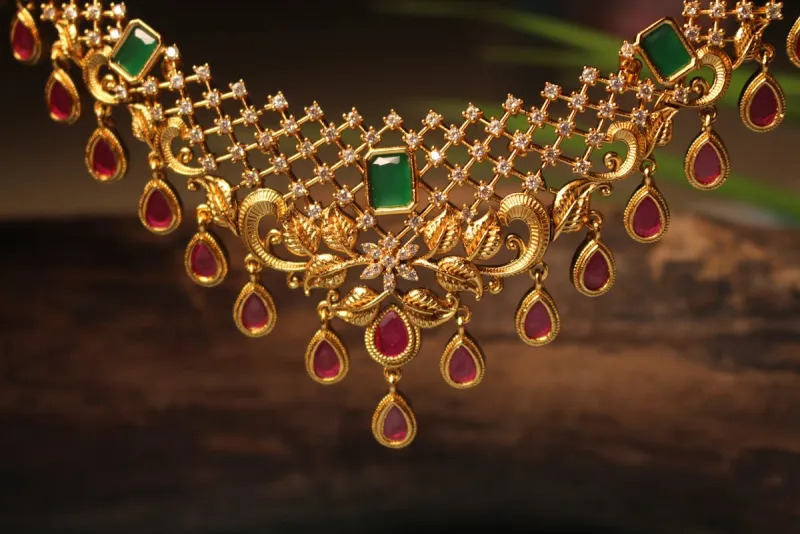
What makes a gemstone worth millions of dollars? The answer lies in an extraordinary convergence of colour, clarity, size, rarity, and provenance. While most people think of diamonds as the most expensive gems, the reality is that per-carat prices for the finest coloured gemstones, particularly rubies, can far exceed those of white diamonds. This guide explores the gemstones that command the highest prices, the factors that drive their values, and some of the most remarkable auction records in history.
Most Expensive Gemstones by Type
| Gemstone | Top Price per Carat (Auction) | Key Value Driver |
|---|---|---|
| Blue Diamond | $3,900,000+ | Extreme rarity of natural blue colour |
| Pink Diamond | $2,600,000+ | Rarity, especially from Argyle mine |
| Ruby (Burmese, pigeon blood) | $1,200,000+ | Vivid colour, Burma origin, unheated |
| Emerald (Colombian, no oil) | $300,000+ | Vivid colour, no treatment, Colombian origin |
| Blue Sapphire (Kashmir) | $400,000+ | Velvety colour, exhausted mines |
| Alexandrite (Russian) | $70,000+ | Strong colour change, Russian origin |
| Paraiba Tourmaline (Brazilian) | $50,000+ | Neon blue-green, extreme rarity |
| Padparadscha Sapphire | $30,000+ | Pink-orange colour, Sri Lankan origin |
| Red Spinel (Burmese) | $20,000+ | Vivid red, no treatment, untreated market |
| Demantoid Garnet (Russian) | $15,000+ | Exceptional fire, horsetail inclusions |
What Drives Gemstone Prices?
Colour
Colour is the single most important value factor for coloured gemstones. The difference between a "good" and "exceptional" colour can mean a ten-fold or even hundred-fold difference in price per carat. The most prized colours, such as pigeon blood red in rubies, cornflower blue in sapphires, and vivid green in emeralds, represent a narrow range of hue, saturation, and tone that only a tiny fraction of rough material achieves.
Rarity
Gemstones from depleted or limited sources command significant premiums. Kashmir sapphires, with their mines largely inactive since the 1930s, are valued as much for their scarcity as their beauty. Similarly, Paraiba tourmalines from the original Brazilian deposit, Brazilian alexandrites, and Russian demantoid garnets are prized because their sources have either been exhausted or produce only tiny quantities.
Treatment Status
Untreated gemstones of fine quality often carry substantial premiums over treated stones. In top-tier material, the gap can be very large, but it varies considerably by stone type, quality level, laboratory opinion, and market conditions. For more on treatments, see our natural vs synthetic gemstones guide.
Origin
Certain origins carry historical prestige and premium pricing. Kashmir for sapphires, Burma for rubies, and Colombia for emeralds are the most notable examples. Origin alone can materially affect value, though the premium varies widely and only matters when the stone itself is already fine enough to justify origin-sensitive pricing.
Size
For all gemstones, price per carat increases exponentially with size. A 5-carat ruby of given quality may cost ten times more per carat than a 1-carat stone of the same quality. Truly large stones of exceptional quality are vanishingly rare and command record prices.
Record-Breaking Gemstone Sales
The Sunrise Ruby
The Sunrise Ruby, a 25.59-carat Burmese pigeon blood ruby, sold at Sotheby's Geneva in May 2015 for $30.42 million (approximately $1.19 million per carat). It holds the record as the most expensive ruby and the most expensive coloured gemstone other than diamond ever sold at auction.
The Rockefeller Emerald
This 18.04-carat rectangular step-cut Colombian emerald, once owned by John D. Rockefeller Jr., sold at Christie's New York in June 2017 for $5.51 million ($305,516 per carat), setting a per-carat record for emeralds at auction.
The Blue Moon of Josephine
The Blue Moon of Josephine, a 12.03-carat fancy vivid blue diamond, sold at Sotheby's Geneva in November 2015 for $48.47 million ($4.03 million per carat), setting a world record price per carat for any gemstone at auction.
The Kashmir Sapphire Record
Fine Kashmir sapphires regularly set records at auction. In 2015, a 35.09-carat Kashmir sapphire sold at Christie's for $7.35 million. Auction performance for top Kashmir stones has been exceptionally strong, though the market is thin and highly selective.
Coloured Diamonds: A Special Category
While this guide focuses on coloured gemstones, it is worth noting that fancy coloured diamonds occupy a unique position at the very top of the gemstone value pyramid. Red diamonds are considered the rarest of all gemstones, with only a handful of true reds known to exist. Blue, pink, and green diamonds also command extraordinary prices, driven by their extreme rarity and the strong global demand for diamonds of any colour.
The Rarest Gemstones in the World
Some of the most extraordinary gems on Earth are so rare that many jewellers and collectors will never encounter them in person. Gemstone rarity can result from limited geological occurrence, single-source deposits, exhausted mines, scarcity of gem-quality crystals, or specific colours and optical phenomena that are vanishingly uncommon.
Alexandrite
Alexandrite is perhaps the most famous rare gemstone, renowned for its dramatic colour change: green in daylight and red under incandescent light. First discovered in Russia's Ural Mountains in 1830, fine alexandrite with a strong colour change is now one of the most sought-after gemstones in the world. Modern sources include Sri Lanka, Brazil, and East Africa, but no source matches the quality of the original Russian material. Prices for fine specimens range from $5,000 to $70,000+ per carat.
Red Beryl (Bixbite)
Red beryl is the rarest variety of the beryl mineral family, which also includes emerald and aquamarine. Found almost exclusively in the Wah Wah Mountains of Utah, USA, gem-quality red beryl is estimated to be 1,000 times rarer than diamond. Most crystals are too small for cutting, and stones over one carat are museum pieces. Prices range from $2,000 to $10,000+ per carat.
Musgravite
Musgravite, a member of the taaffeite mineral family, was once considered the rarest gemstone on Earth. First found in the Musgrave Ranges of Australia in 1967, it was decades before a facetable crystal was discovered. Today, small quantities come from Sri Lanka, Myanmar, Tanzania, and Madagascar, but gem-quality material remains extraordinarily scarce. Prices range from $6,000 to $35,000+ per carat.
Grandidierite
Grandidierite is a blue-green mineral first described from Madagascar in 1902. Transparent, gem-quality specimens are exceptionally rare and were virtually unknown in the gem market until deposits in southern Madagascar began producing facetable material around 2014-2016. Prices range from $2,000 to $20,000+ per carat.
Collecting Rare Gemstones
- Educate yourself – Learn about each stone's properties, sources, and market before purchasing.
- Insist on laboratory reports – A report from a respected lab (GIA, Gubelin, SSEF, GRS) is essential for any rare gemstone.
- Buy from specialists – Reputable dealers who specialise in rare gems offer the best selection and reliability.
- Prioritise quality over size – A smaller stone of exceptional quality is usually more defensible than a larger stone of average quality.
Investing in Expensive Gemstones
- Focus on quality over size – A smaller stone of exceptional quality and provenance is often more defensible than a larger stone of average quality.
- Prioritise untreated material – Untreated stones tend to be more desirable in the top end of the market, but premiums still depend on rarity, quality, and documentation.
- Obtain comprehensive documentation – For investment-grade stones, obtain reports from multiple respected laboratories. A stone documented by both GIA and Gubelin, for example, provides maximum buyer confidence.
- Consider provenance – Stones with notable provenance, such as celebrity ownership, historical significance, or inclusion in famous collections, carry additional value.
- Buy the best you can afford – In the gemstone market, rarity and quality tend to matter more than quantity, but appreciation is never guaranteed.
- Be patient – Gemstones are long-term, illiquid holdings. Anyone entering this market should assume slow exits and uneven pricing.
Where the Most Expensive Gemstones Are Sold
The highest-value gemstones typically change hands through major auction houses (Christie's, Sotheby's, Bonhams), specialist dealers with established reputations, and private sales facilitated by industry intermediaries. For buyers entering this market, establishing relationships with trusted dealers and auction specialists is essential. Our buying guides offer practical purchasing advice.
Affordable Alternatives
Not everyone can invest in a six-figure gemstone, but you can still enjoy beautiful stones that offer excellent value:
- Tanzanite offers sapphire-like colour at a fraction of the price
- Tsavorite garnet provides vivid green rivalling emerald with better clarity
- Spinel offers rich reds and blues similar to ruby and sapphire at lower prices
- Aquamarine delivers serene blue beauty at very accessible prices
- Amethyst provides rich purple colour at remarkable value
Frequently Asked Questions
Is diamond the most expensive gemstone?
Fancy coloured diamonds (blue, pink, red) hold the highest per-carat auction records. However, for colourless diamonds, top rubies and Kashmir sapphires can exceed equivalent-weight white diamond prices. The answer depends on the specific stones being compared.
Why are rubies more expensive than diamonds?
Fine rubies, particularly unheated Burmese pigeon blood stones, are rarer than fine white diamonds in comparable sizes. The combination of extreme rarity, strong demand, and limited supply drives ruby prices above white diamond levels at the top end of the market.
What is the most expensive gemstone per carat?
The Blue Moon of Josephine blue diamond holds the record at approximately $4.03 million per carat. For coloured gemstones other than diamond, the Sunrise Ruby's $1.19 million per carat is the benchmark.
Are expensive gemstones a good investment?
Some exceptional gemstones from premier origins have performed strongly over long holding periods. However, gemstones are illiquid, require specialist knowledge, and should not be purchased purely as financial investments.