Birthstones by Month
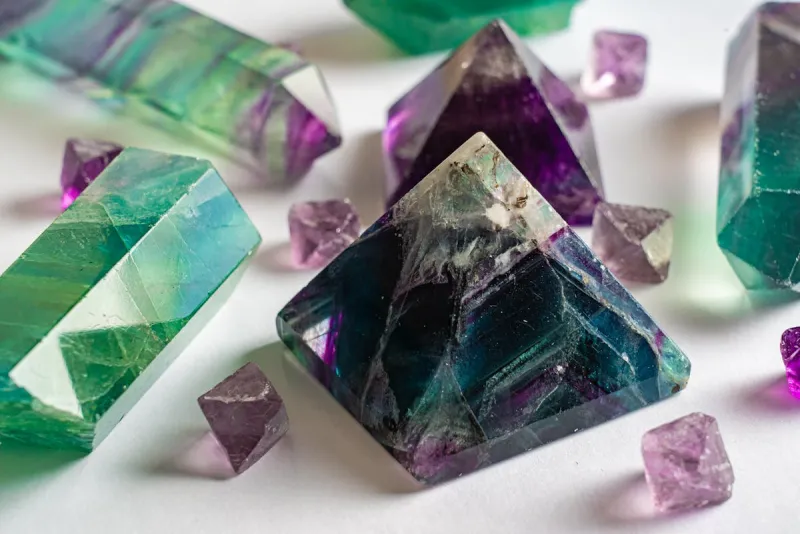
Birthstones are gemstones associated with each month of the year, carrying symbolic meaning and personal significance for those born in that month. The modern birthstone list was standardised by the American National Retail Jewelers Association in 1912 and has been updated periodically since then, most recently with the addition of tanzanite for December in 2002 and spinel for August in 2016. Birthstone jewellery is one of the most meaningful and popular gift choices, connecting the wearer to a gemstone that is uniquely theirs.
Complete Birthstone Chart
| Month | Modern Birthstone | Alternative(s) | Colour |
|---|---|---|---|
| January | Garnet | Rose quartz | Red |
| February | Amethyst | Onyx | Purple |
| March | Aquamarine | Bloodstone | Blue |
| April | Diamond | White sapphire, moissanite | Colourless |
| May | Emerald | Chrysoprase | Green |
| June | Pearl | Alexandrite, moonstone | White/iridescent |
| July | Ruby | Carnelian | Red |
| August | Peridot | Spinel, sardonyx | Green |
| September | Sapphire | Lapis lazuli | Blue |
| October | Opal | Tourmaline | Multi-colour |
| November | Topaz | Citrine | Yellow/orange |
| December | Tanzanite | Turquoise, zircon | Blue |
Month-by-Month Birthstone Guide
January: Garnet
Garnet symbolises trust, friendship, and safe travels. While most people associate garnet with deep red, the garnet family encompasses an extraordinary range of colours, from fiery orange spessartine to vivid green tsavorite. Red garnets are the most traditional choice for January birthday gifts. Garnet rates 6.5-7.5 on the Mohs scale and is virtually never treated.
February: Amethyst
Amethyst symbolises wisdom, peace, and sobriety. This purple variety of quartz was once as valuable as rubies and sapphires, and its association with royalty dates back thousands of years. Today, amethyst is one of the most affordable coloured gemstones, allowing generous sizes at accessible prices.
March: Aquamarine
Aquamarine symbolises courage, serenity, and clarity. This pale to medium blue beryl evokes the colours of the sea and sky. Its excellent clarity and good hardness (7.5-8) make it a practical and beautiful choice for all types of jewellery.
April: Diamond
Diamond symbolises eternal love, strength, and invincibility. As the hardest natural substance (10 on the Mohs scale), diamond is the ultimate gemstone for engagement rings and heirloom jewellery. April babies enjoy one of the most prestigious birthstones.
May: Emerald
Emerald symbolises rebirth, love, and wisdom. This precious green beryl has been treasured since ancient Egypt. Fine emeralds are among the most valuable gemstones, and their characteristic inclusions are considered part of the stone's charm.
June: Pearl, Alexandrite, Moonstone
June is one of the most generously endowed months, with three birthstone options. Pearl represents purity and innocence, alexandrite symbolises good fortune and creativity with its remarkable colour-change phenomenon, and moonstone evokes mystery and new beginnings with its ethereal adularescence.
July: Ruby
Ruby symbolises passion, protection, and prosperity. Known as the king of gems, ruby is one of the most valuable gemstones in the world. Its exceptional hardness (9) makes it ideal for everyday jewellery, and its vivid red colour makes a bold statement.
August: Peridot, Spinel, Sardonyx
Peridot, the primary August birthstone, symbolises strength and protection. Its warm yellow-green colour is unique among gemstones. Spinel, added in 2016, comes in a spectacular range of colours and has long been confused with ruby and sapphire. Sardonyx is the traditional alternative.
September: Sapphire
Sapphire symbolises wisdom, loyalty, and nobility. While most famous in blue, sapphires come in every colour except red. September's birthstone is one of the most durable and versatile gemstones available.
October: Opal and Tourmaline
Opal symbolises hope, creativity, and inspiration. Its unique play of colour creates a kaleidoscopic display unlike any other gemstone. Tourmaline, the alternative, comes in virtually every colour and is particularly popular in pink and green watermelon varieties.
November: Topaz and Citrine
Topaz and citrine share November, both offering warm yellow to orange hues. Imperial topaz is the premium option, while citrine provides excellent value. Both stones bring warmth and sunshine to autumn birthday celebrations.
December: Tanzanite, Turquoise, Zircon
Tanzanite symbolises transformation and spiritual awareness. This rare violet-blue gemstone is found only in Tanzania and offers extraordinary colour at accessible prices. Turquoise, the traditional option, has been prized for thousands of years for its distinctive blue-green colour. Blue zircon offers brilliant sparkle.
History of Birthstones
The concept of birthstones dates back to ancient times. Some scholars trace the tradition to the Breastplate of Aaron described in the Book of Exodus, which featured twelve stones representing the twelve tribes of Israel. Over the centuries, these stones became associated with the twelve months and the twelve zodiac signs. The modern standardised list, established in 1912, differs from earlier traditions in several months, with updates continuing as new gemstones gain prominence.
Choosing Birthstone Jewellery
- Consider durability – Check the hardness chart to ensure the stone is suitable for the intended jewellery type. Harder stones like sapphire and ruby work in any setting, while softer stones like opal need protective designs.
- Match the metal – Warm-coloured stones pair well with yellow gold, cool-toned stones with white metals, and most stones look beautiful in rose gold.
- Explore alternatives – If the primary birthstone does not suit your taste or budget, consider the alternative stone for that month.
- Think about care – Some birthstones require more careful handling than others. See our jewellery care guide for stone-specific advice.
Frequently Asked Questions About Birthstones
Can I wear a birthstone from a different month?
Absolutely. While birthstones carry personal significance for those born in that month, there are no rules against wearing any gemstone you love. Many people choose gemstones based on colour preference, meaning, or astrological beliefs rather than birth month.
Why do some months have multiple birthstones?
Multiple birthstones give consumers more options in terms of colour, price, and durability. The additions often reflect the availability and popularity of different stones over time. June, August, and December each have three recognised options.
Are birthstones the same in every country?
The modern list standardised in 1912 is widely accepted internationally, but some countries and cultures have their own traditions. For example, Britain's traditional list differs slightly from the American version for several months.
What is the most expensive birthstone?
Ruby (July) and emerald (May) are generally the most expensive birthstones per carat for fine quality. Diamond (April) and alexandrite (June alternative) can also reach very high values. See our most expensive gemstones guide.