Diamond Shapes: Every Popular Cut Explained
Diamond shape is one of the most personal choices you will make when selecting a diamond. While the 4Cs determine quality and value, shape defines the diamond's character, style, and overall aesthetic. From the timeless round brilliant to the dramatic marquise, each shape offers a different balance of brilliance, fire, size appearance, and price. This guide covers every major diamond shape, explains their unique characteristics, and helps you decide which one is right for you.
Shape vs. Cut: An Important Distinction
Before diving into specific shapes, it is important to understand the difference between shape and cut. Shape refers to the outline of the diamond when viewed from above: round, square, rectangular, oval, and so on. Cut refers to how well the diamond's facets are proportioned and aligned to interact with light. A round diamond can have an excellent or poor cut; an oval diamond can be well-cut or poorly cut. Shape is about aesthetics; cut is about performance.
The Ten Most Popular Diamond Shapes
Round Brilliant
The round brilliant is by far the most popular diamond shape, accounting for roughly 60 to 70 percent of all diamond sales. Developed through decades of optical research, the modern round brilliant has 57 or 58 facets arranged to maximise light return. It delivers the highest levels of brilliance, fire, and scintillation of any shape, and it is the only shape that receives an official cut grade from GIA. The trade-off is price: round brilliants are the most expensive per carat because they require the most rough diamond material to be removed during cutting.
Oval
The oval shape has surged in popularity in recent years, especially for engagement rings. Its elongated profile makes it appear larger than a round diamond of the same carat weight, and it creates a flattering, finger-lengthening effect. Ovals deliver strong brilliance thanks to their modified brilliant faceting pattern, but buyers should watch for the bow-tie effect, a dark shadow across the centre that appears in many oval diamonds and ranges from minimal to prominent.
Princess
The princess cut is the most popular non-round shape. It features a square or slightly rectangular outline with pointed corners and typically has 57 or 76 facets. Princess cuts offer excellent brilliance and a modern, geometric look. Because the shape retains more of the rough crystal than a round, princess-cut diamonds tend to be 20 to 30 percent less expensive per carat. The pointed corners are vulnerable to chipping and should be protected by V-prong settings.
Emerald
The emerald cut is a step-cut shape with a rectangular outline, cropped corners, and long, open facets that create a hall-of-mirrors effect rather than the sparkle of brilliant cuts. This elegant, vintage-inspired shape emphasises clarity over brilliance, so inclusions and colour are more visible. For emerald cuts, most experts recommend VS2 clarity or higher and colour grades of H or better. The emerald shape pairs beautifully with Art Deco and minimalist settings.
Cushion
The cushion cut blends a square or rectangular outline with rounded corners, resembling a pillow. Available in both standard (chunky) and modified (crushed ice) faceting patterns, cushion cuts offer a romantic, soft appearance with good brilliance and fire. Standard cushion cuts show broader, more distinct light patterns, while crushed ice cushions display a more scattered sparkle. Cushion cuts are generally 25 to 40 percent less expensive per carat than round brilliants.
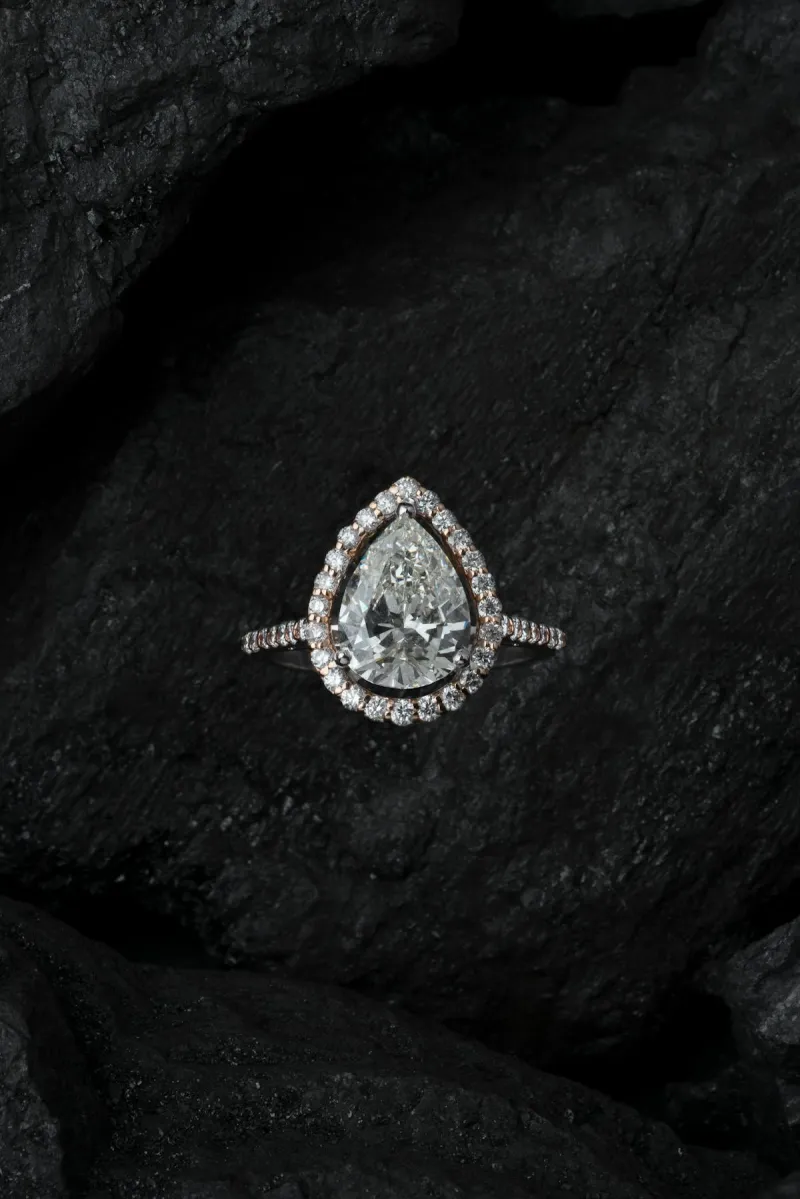
Pear
Also known as the teardrop shape, the pear combines a rounded end with a pointed tip. It offers an elongated silhouette that maximises face-up size and creates a dramatic, elegant look. Pear shapes work well in pendants, drop earrings, and engagement rings worn with the point facing the fingertip. As with ovals, check for bow-tie effect and ensure the point is protected with a V-prong setting.
Marquise
The marquise shape is a narrow, elongated oval with two pointed ends. Its dramatic length gives it the largest face-up surface area per carat of any shape, making it an excellent choice for maximising perceived size. The marquise is less common today but offers a distinctive vintage appeal. Both points must be protected in the setting, and bow-tie effect should be evaluated carefully.
Radiant
The radiant cut combines the rectangular or square outline of an emerald cut with brilliant-cut faceting, delivering more sparkle than a traditional step cut. Radiants have trimmed corners, making them more durable than princess cuts and versatile in various settings. They are an excellent choice for buyers who want a rectangular shape with maximum brilliance.
Asscher
The Asscher cut is a square step cut with large, open facets and deeply trimmed corners that give it an almost octagonal appearance. Like the emerald cut, it emphasises clarity and creates a mesmerising windmill-like pattern of light. The Asscher rose to popularity during the Art Deco period and remains a favourite for vintage-inspired designs. Prioritise clarity (VS2 or higher) and colour (G or higher) for best results.
Heart
The heart shape is the most overtly romantic of all diamond shapes. It requires skilled cutting to achieve symmetrical lobes and a well-defined cleft. Heart shapes are most common in sizes above 0.50 carats, as the shape is difficult to distinguish in smaller stones. While not as popular for engagement rings, heart-shaped diamonds make meaningful gifts for Valentine's Day and anniversaries.
Shape Comparison at a Glance
| Shape | Brilliance | Relative Size per Carat | Price vs. Round | Best For |
|---|---|---|---|---|
| Round | Highest | Standard | Highest | Maximum sparkle, classic style |
| Oval | Very High | Larger | 20-30% less | Finger-lengthening elegance |
| Princess | High | Slightly smaller | 20-30% less | Modern, geometric look |
| Emerald | Moderate (step-cut flash) | Larger | 25-35% less | Vintage elegance, clean lines |
| Cushion | High | Standard to slightly larger | 25-40% less | Romantic, soft aesthetic |
| Pear | High | Larger | 20-30% less | Dramatic teardrop style |
| Marquise | High | Largest | 25-35% less | Maximum face-up size |
| Radiant | High | Slightly larger | 25-35% less | Brilliance in rectangular form |
| Asscher | Moderate (step-cut flash) | Slightly smaller | 25-35% less | Art Deco vintage appeal |
| Heart | High | Standard | 20-30% less | Romantic symbolism |
How to Choose the Right Shape
There is no objectively best diamond shape. The right choice depends on personal style, lifestyle, and budget. Here are some guiding principles:
- If you want maximum sparkle: Round brilliant is the undisputed leader.
- If you want value and size: Oval, marquise, or pear shapes give you more visual presence per carat for less money.
- If you prefer clean, architectural lines: Emerald or Asscher step cuts offer sophisticated elegance.
- If you want modern geometry: Princess or radiant cuts deliver contemporary style with excellent brilliance.
- If you want something unique: Less common shapes like marquise or heart help your jewellery stand out.
Shape and the 4Cs
Each shape interacts differently with the 4Cs. Brilliant-cut shapes (round, oval, cushion) hide inclusions and colour better than step cuts. Step-cut shapes (emerald, Asscher) demand higher clarity and colour grades because their open facets reveal imperfections. Elongated shapes (oval, marquise, pear) appear larger per carat but may show bow-tie effects that reduce their visual appeal if the cut is not well executed.
Frequently Asked Questions
What is the most popular diamond shape?
The round brilliant is the most popular shape worldwide, accounting for about 60 to 70 percent of diamond sales. Oval has been the fastest-growing shape in recent years and has become the most popular fancy shape for engagement rings.
Which diamond shape looks the biggest?
The marquise shape has the largest face-up surface area per carat weight, followed by pear and oval. These elongated shapes distribute weight across a larger visible area compared to round or square shapes.
Are fancy shapes less expensive than round?
Yes. All fancy shapes (anything other than round) are less expensive per carat than round brilliants. Savings typically range from 20 to 40 percent, depending on the shape and current market demand.
What is the bow-tie effect?
The bow-tie is a dark shadow in the shape of a bow-tie that appears across the centre of elongated brilliant-cut shapes like oval, pear, and marquise. It is caused by areas where the facets fail to return light to the viewer. Some bow-tie is normal, but a prominent one significantly detracts from the diamond's beauty.