Diamond Buying Mistakes: 12 Costly Errors and How to Avoid Them
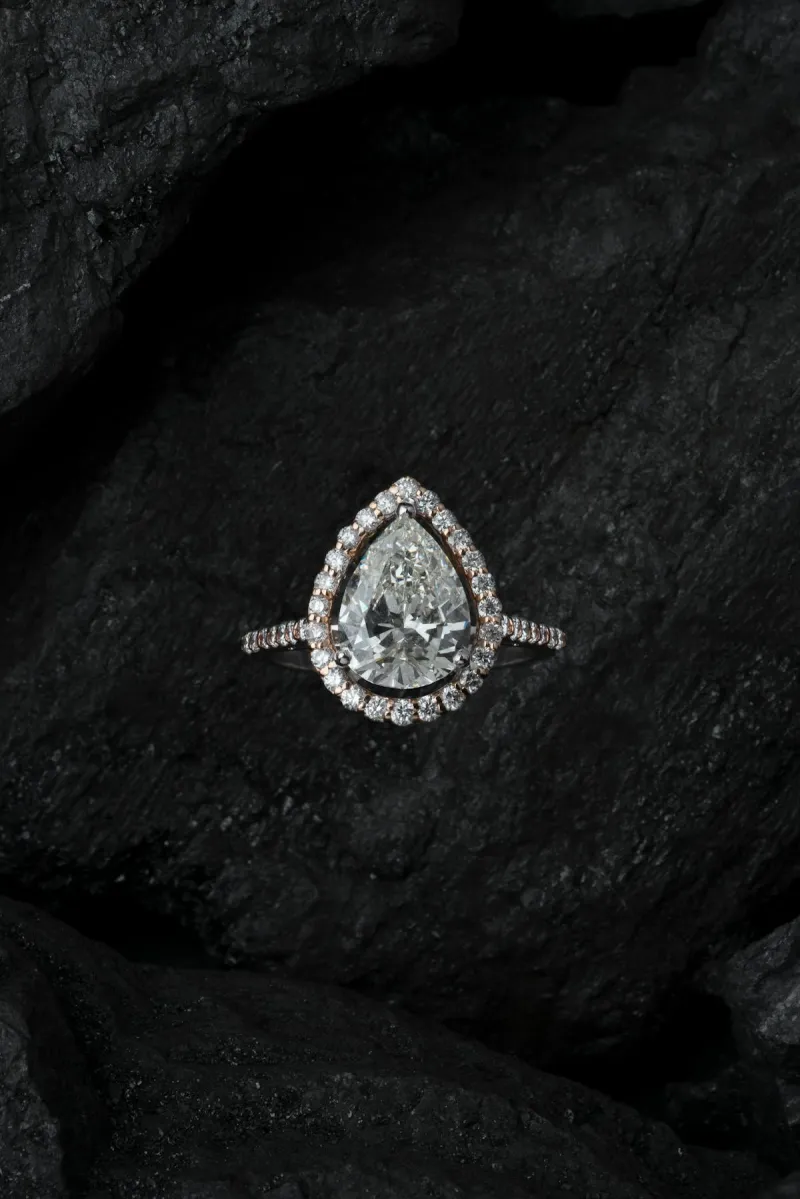
Buying a diamond is one of the largest purchases most people will make, yet the average buyer walks into the process with little knowledge and plenty of misconceptions. The result is often a diamond that costs more than it should or looks worse than it could for the money spent. This guide exposes the twelve most common diamond buying mistakes, explains why they happen, and provides practical advice to help you avoid each one.
Mistake 1: Prioritising Carat Weight Over Cut
Many buyers fixate on carat weight as the primary measure of a diamond's worth. They chase the biggest stone they can afford without considering how well it is cut. This is a costly error because a poorly cut diamond, regardless of its size, will look dull and lifeless. A smaller diamond with an excellent cut will outperform a larger one with a mediocre cut in terms of brilliance, fire, and visual impact.
How to avoid it: Always prioritise cut quality first. Set your minimum cut standard (Excellent or Very Good for rounds) before considering carat weight.
Mistake 2: Overpaying for Colour You Cannot See
The difference between a D-colour and a G-colour diamond is virtually invisible once the stone is mounted in a setting and viewed under normal conditions. Yet the price difference can be 30 to 50 percent. Buyers who insist on D or E colour without understanding the scale waste money on a distinction no one will notice.
How to avoid it: Shop in the near-colourless range (G-J) for most settings. Match your colour choice to the metal colour of your setting.
Mistake 3: Paying for Clarity Grades Above Eye-Clean
Flawless (FL) and Internally Flawless (IF) diamonds command massive premiums, yet they look identical to a well-chosen VS2 or SI1 when viewed without magnification. Paying for grades you cannot see with the naked eye means diverting funds from factors that do affect beauty, like cut and carat weight.
How to avoid it: Target eye-clean clarity grades. For round brilliants, VS2 to SI1 is usually sufficient. Verify with images or in-person inspection.
Mistake 4: Buying Without Certification
An uncertified diamond is an unknown quantity. Without an independent grading report, you have no objective way to verify the quality claims made by the seller. Overgrading is common among less reputable retailers, and without certification, you have no recourse.
How to avoid it: Only buy diamonds with grading reports from GIA, AGS, or IGI. Verify the report online before purchasing.
Mistake 5: Trusting All Certificates Equally
Not all grading laboratories apply the same standards. A diamond graded G colour by EGL might be H or I by GIA standards. Buyers who do not understand these differences can overpay for a diamond whose grades are inflated by a lenient lab.
How to avoid it: Stick to GIA or AGS for natural diamonds, and IGI for lab-grown. Treat certificates from less established labs with scepticism.
Mistake 6: Buying at Exact Magic Numbers
Diamond prices jump significantly at psychologically important carat weights like 0.50, 1.00, 1.50, and 2.00. A 1.00-carat diamond can cost 15 to 20 percent more per carat than a 0.95-carat stone that looks virtually identical.
How to avoid it: Shop just below magic numbers. A 0.90-0.99 carat diamond delivers nearly the same visual size at a significantly lower price.
Mistake 7: Ignoring the Setting
The setting is not just an afterthought; it defines how the diamond looks on the hand, how secure it is, and how the diamond's colour is perceived. Choosing the wrong setting can make a great diamond look mediocre or expose its weaknesses.
How to avoid it: Choose a setting that complements your diamond's strengths. Use white metal for higher colour grades, yellow or rose gold for lower colour grades. Protect pointed shapes with V-prong settings. Consider a halo to maximise perceived size.
| Mistake | Potential Cost | Simple Fix |
|---|---|---|
| Prioritising carat over cut | Dull, lifeless diamond | Set Excellent cut as minimum |
| Overpaying for colour | 30-50% premium for invisible difference | Buy G-J colour range |
| Excess clarity grade | 20-40% premium for invisible difference | Target eye-clean VS2-SI1 |
| No certification | Unknown quality, potential fraud | Require GIA/AGS/IGI report |
| Buying at magic numbers | 15-20% price premium | Buy 5-10% below threshold |
| Not shopping around | Paying above market rate | Compare 3+ retailers |
Mistake 8: Shopping Under Pressure
High-pressure sales tactics are common in traditional jewellery stores. Phrases like "this stone won't last," "I have another buyer interested," or "today only" are designed to rush your decision. Diamond purchases should never be impulsive. Legitimate deals do not disappear overnight, and comparable diamonds are always available.
How to avoid it: Take your time. Research online before visiting stores. If a salesperson pressures you, walk away. The right diamond will still be available tomorrow.
Mistake 9: Not Comparing Prices Across Retailers
Diamond pricing varies significantly between retailers. A diamond with identical specifications can differ by 20 to 40 percent in price between a high-street jeweller and an online retailer. Failing to compare means potentially leaving thousands of pounds on the table.
How to avoid it: Compare at least three to five retailers for diamonds with the same shape, cut grade, colour, clarity, and carat weight. Include both online and brick-and-mortar options.
Mistake 10: Overlooking Fluorescence Benefits
Many buyers automatically reject fluorescent diamonds because they have heard fluorescence is bad. In reality, blue fluorescence can improve the appearance of diamonds in the I-to-M colour range by making them appear whiter. Fluorescent diamonds are also discounted, creating genuine value opportunities.
How to avoid it: Do not dismiss fluorescence outright. In lower colour grades, medium blue fluorescence can be a benefit. Only avoid strong fluorescence in D-F colour grades if the stone appears hazy.
Mistake 11: Assuming Bigger Always Means Better
A large diamond with poor cut, visible inclusions, or a noticeable yellow tint will look worse than a smaller, well-balanced stone. Size matters, but only when the other quality factors are at acceptable levels.
How to avoid it: Use our step-by-step guide to balance all 4Cs within your budget rather than maximising any single factor.
Mistake 12: Not Getting Insurance
A diamond ring is a significant financial investment that can be lost, stolen, or damaged. Many buyers neglect to insure their diamond jewellery, leaving themselves exposed to complete financial loss.
How to avoid it: Get a professional appraisal and arrange specialist jewellery insurance as soon as you receive your diamond. Update the appraisal every few years to reflect current market values.
Bonus: Forgetting About Maintenance
Diamonds are durable but not maintenance-free. Oils from skin, lotions, and daily activities dull a diamond's brilliance over time. Settings can loosen with wear, risking loss of the stone. Many buyers never clean their diamond or have the setting checked.
How to avoid it: Clean your diamond regularly using the methods in our cleaning guide and have a jeweller inspect the setting at least once a year.
Frequently Asked Questions
What is the single biggest mistake diamond buyers make?
Prioritising carat weight over cut quality. A well-cut diamond always outperforms a larger but poorly cut one in visual beauty. Cut should be the first criterion you set, not the last.
Is it safe to buy diamonds online?
Yes, provided you buy from reputable retailers that offer GIA or AGS-certified diamonds, high-resolution images and videos, generous return policies, and secure payment methods. Online retailers often offer better prices due to lower overhead.
How much can I save by avoiding these mistakes?
Conservatively, following these guidelines can save 20 to 50 percent compared to an uninformed purchase. On a 5,000-pound budget, that could mean saving 1,000 to 2,500 pounds or getting a significantly better diamond for the same money.
Should I buy a diamond as an investment?
Diamonds are not reliable financial investments. They lose a significant portion of their retail value upon resale. Buy a diamond for its beauty and emotional significance, not as a store of wealth. If investment is your goal, other asset classes are more appropriate.