Diamond Fluorescence: Is It Good, Bad, or Something to Ignore?
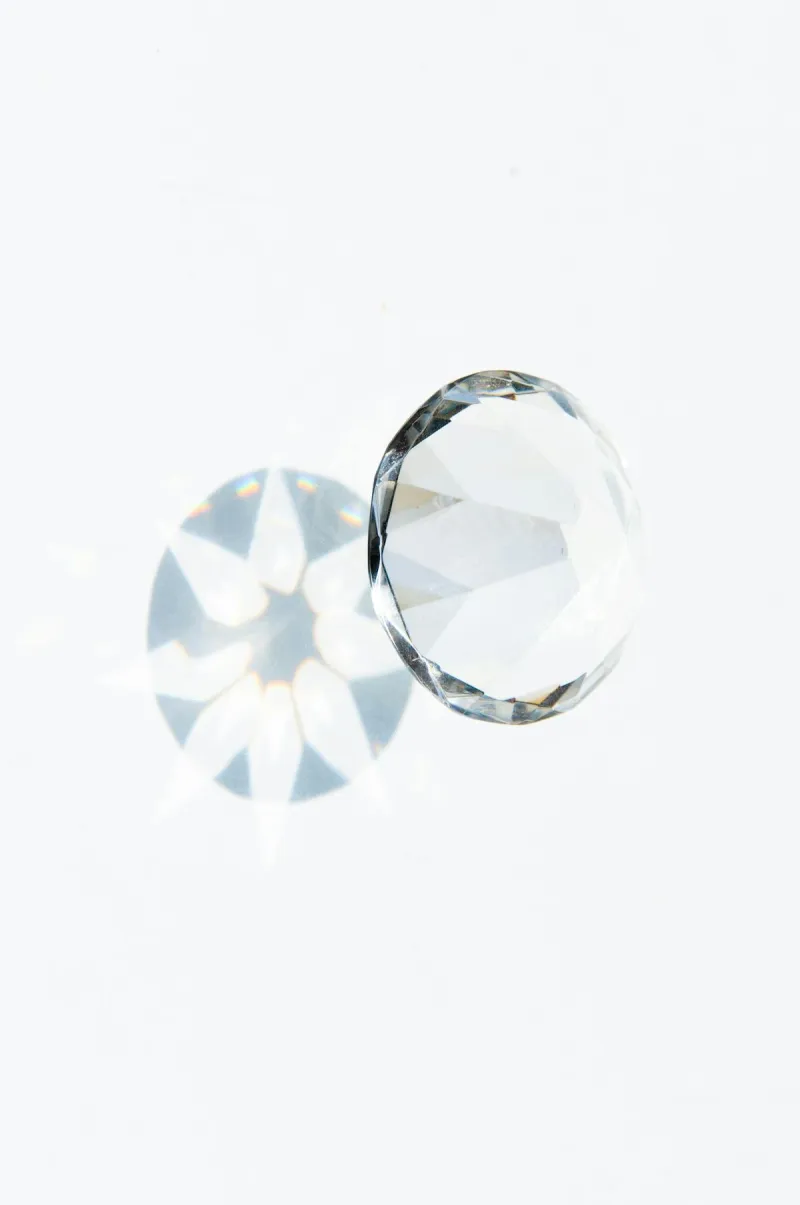
Diamond fluorescence is one of the most misunderstood topics in the gemstone world. Roughly 25 to 35 percent of all gem-quality diamonds exhibit some degree of fluorescence, a visible glow that appears when the stone is exposed to ultraviolet (UV) light. Some buyers avoid fluorescent diamonds entirely, while others seek them out for the value they offer. This guide explains what fluorescence is, how it occurs, how it affects a diamond's appearance and price, and how you can use it to your advantage when shopping.
What Is Diamond Fluorescence?
Fluorescence is the emission of visible light by a substance when it absorbs ultraviolet radiation. In diamonds, this phenomenon occurs because certain structural features or trace elements within the crystal lattice absorb UV energy and re-emit it as visible light, most commonly blue. The effect is only visible under UV light sources, which include specialised UV lamps, certain types of indoor lighting, and natural daylight (which contains UV rays).
When you remove the UV source, the fluorescence stops. This distinguishes it from phosphorescence, where the glow continues after the light source is removed. Some diamonds do phosphoresce briefly, but this is rare and generally not a concern for buyers.
Fluorescence Grades
GIA grades fluorescence on a five-point scale based on the intensity of the glow observed under a standardised long-wave UV lamp:
| Grade | Description | Approximate Prevalence | Price Impact |
|---|---|---|---|
| None | No visible fluorescence under UV light | 65-75% of diamonds | Baseline price |
| Faint | Slight glow barely visible under UV | ~10% | Minimal impact |
| Medium | Moderate glow clearly visible under UV | ~8% | 5-10% discount typical |
| Strong | Bright glow under UV; potentially visible in daylight | ~5% | 10-15% discount typical |
| Very Strong | Intense glow under UV; more likely to affect daylight appearance | ~2% | 15-25% discount typical |
What Causes Fluorescence?
The most common cause of blue fluorescence in diamonds is the presence of nitrogen atoms arranged in specific configurations within the crystal lattice, combined with structural defects called N3 centres. These centres absorb UV radiation and re-emit it as blue visible light. The intensity depends on the concentration and arrangement of these centres.
While blue is by far the most common fluorescence colour (accounting for about 95 percent of fluorescent diamonds), some diamonds fluoresce yellow, green, orange, or white. Non-blue fluorescence colours are noted on the grading report but are relatively rare.
How Fluorescence Affects Appearance
The Positive Effect: Improving Colour Appearance
Blue fluorescence can actually improve the face-up appearance of diamonds in the faint to medium yellow colour range (grades I through M). Because blue and yellow are complementary colours, the blue fluorescent glow can offset the diamond's yellow body colour, making it appear whiter. This effect is most noticeable in natural daylight, which contains UV rays that activate the fluorescence.
A GIA study published in 1997 found that the average observer saw no negative impact from fluorescence, and in many cases, preferred the appearance of diamonds with medium to strong blue fluorescence in lower colour grades. This makes fluorescent diamonds in the I-to-M colour range a genuine value opportunity.
The Potential Negative Effect: Haziness
In a small percentage of diamonds with strong to very strong fluorescence, the stone can develop a hazy, milky, or oily appearance. This haziness reduces transparency and makes the diamond look cloudy rather than bright. However, this effect occurs in only an estimated 2 to 3 percent of diamonds with strong fluorescence, not all of them.
The haziness issue is more concerning in higher colour grades (D to F), where the diamond should appear icy white. A hazy strong-fluorescence D-colour diamond can look worse than a clean non-fluorescent G-colour stone. For this reason, strong and very strong fluorescence typically commands a steeper discount in the colourless range.
No Effect in Most Cases
For the majority of fluorescent diamonds, particularly those with faint to medium fluorescence, the effect on day-to-day appearance is negligible. Most people will never notice fluorescence during normal wear. It becomes visible primarily under direct UV light sources like blacklights, certain club lighting, or intense direct sunlight.
Fluorescence and Price
The diamond market generally discounts fluorescent stones, even when the fluorescence has no negative visual impact. This creates opportunities for informed buyers:
- Colourless range (D-F): Strong fluorescence can reduce price by 10 to 15 percent. Be cautious and inspect for haziness.
- Near colourless range (G-H): Medium fluorescence may reduce price by 3 to 7 percent with minimal visual impact.
- Faint colour range (I-M): Blue fluorescence can both reduce price and improve apparent colour, creating excellent value. A medium or strong blue fluorescent I-colour diamond can look like a G or H colour in daylight.
See our diamond pricing guide for more on how various factors affect cost.
How to Evaluate Fluorescent Diamonds
If you are considering a fluorescent diamond, follow these practical steps:
- Check the grading report: The fluorescence grade and colour are noted on every GIA report. Look for this information before evaluating the stone visually.
- View the diamond in multiple lighting conditions: Look at it under fluorescent store lighting, natural daylight, and incandescent light. If it looks bright and clean in all conditions, fluorescence is not a concern.
- Look for haziness: In strong and very strong fluorescence diamonds, compare the stone side by side with a non-fluorescent diamond of similar colour and clarity. If the fluorescent diamond appears milky or less transparent, avoid it.
- Consider the colour grade: If you are buying I colour or lower, medium blue fluorescence is often a benefit. If you are buying D-F, be more cautious with strong fluorescence.
- Request images under UV light: Many online retailers provide images of the diamond under UV light, showing the fluorescence colour and intensity.
Fluorescence in Lab-Grown Diamonds
Lab-grown diamonds can also exhibit fluorescence, though the patterns may differ from natural diamonds. HPHT-grown diamonds sometimes show unusual fluorescence patterns under short-wave UV light, which is one of the methods laboratories use to identify lab-grown stones. For day-to-day wear, the same general principles apply: evaluate the stone visually and check for haziness. Learn more in our lab diamonds explained guide.
Common Myths About Fluorescence
- Myth: All fluorescent diamonds look hazy. Reality: Only about 2-3% of strongly fluorescent diamonds show haziness. The vast majority look perfectly normal.
- Myth: Fluorescence damages the diamond. Reality: Fluorescence is a natural optical property that does not affect the diamond's structure, durability, or longevity in any way.
- Myth: You should always avoid fluorescent diamonds. Reality: Blanket avoidance means missing out on potential bargains, especially in the I-to-M colour range where fluorescence can improve apparent colour.
- Myth: Fluorescence makes a diamond glow in the dark. Reality: Fluorescence only occurs in the presence of UV light. Remove the UV source and the glow stops immediately.
Frequently Asked Questions
Is diamond fluorescence good or bad?
It depends on the diamond's colour grade and the intensity of the fluorescence. In lower colour grades (I-M), blue fluorescence can improve appearance. In higher colour grades (D-F) with strong fluorescence, there is a small risk of haziness. For most diamonds, fluorescence has no noticeable effect on beauty.
Can you see fluorescence in normal lighting?
Faint and medium fluorescence are virtually invisible in normal lighting conditions. Strong and very strong fluorescence may be subtly visible in direct sunlight or under certain UV-heavy light sources, but this is not always the case.
Does fluorescence affect diamond value?
Yes. The market typically applies a discount to fluorescent diamonds, ranging from negligible for faint fluorescence to 15-25% for very strong fluorescence in higher colour grades. This discount can be an advantage for buyers who verify the stone looks good visually.
Why is blue the most common fluorescence colour?
Blue fluorescence is caused by nitrogen-related structural defects (N3 centres) in the diamond's crystal lattice, which are the most common type of fluorescence-producing feature in natural diamonds.