Amethyst vs Purple Sapphire: Affordable Quartz Meets Premium Corundum
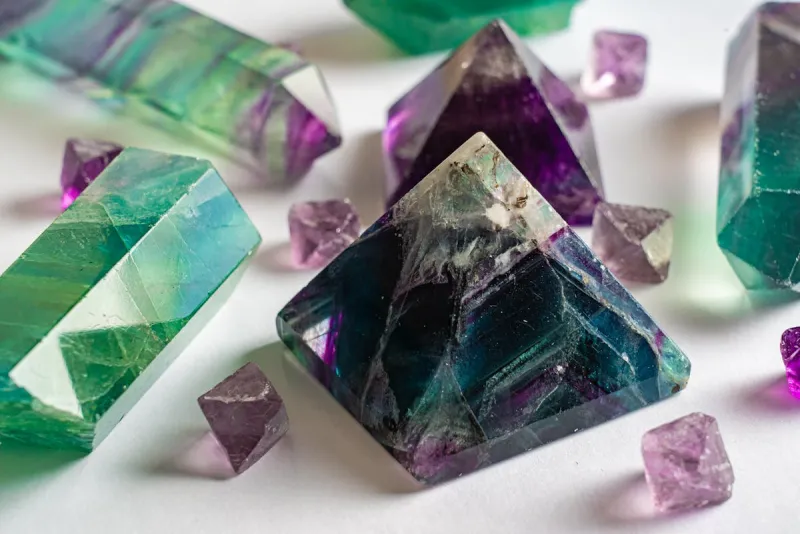
If you love purple gemstones, two options stand out: amethyst, the beloved and affordable variety of quartz, and purple sapphire, the rarer and more durable member of the corundum family. While both stones can display beautiful purple hues, they differ significantly in hardness, rarity, value, and suitability for different types of jewellery. This comprehensive comparison covers everything you need to know.
Key Differences at a Glance
| Property | Amethyst | Purple Sapphire |
|---|---|---|
| Mineral | Quartz (SiO2) | Corundum (Al2O3) |
| Mohs Hardness | 7 | 9 |
| Refractive Index | 1.544 – 1.553 | 1.762 – 1.770 |
| Specific Gravity | 2.65 | 3.95 – 4.03 |
| Brilliance | Moderate | High (sub-adamantine lustre) |
| Treatment | Usually untreated | Often heat-treated |
| Colour Stability | Can fade in prolonged sunlight | Excellent stability |
| Price (per ct) | $2 – $150 | $200 – $10,000+ |
| Birthstone | February | September (all sapphires) |
Colour Comparison
Both amethyst and purple sapphire display purple hues, but the character of the colour differs:
- Amethyst – Ranges from pale lavender to deep reddish-purple. The finest amethysts (Siberian quality) show a vivid purple with red and blue flashes. Amethyst's colour can be very beautiful, but it tends to appear slightly less saturated and brilliant than sapphire.
- Purple sapphire – Displays a richer, more luminous purple thanks to its higher refractive index and sub-adamantine lustre. Purple sapphires range from violet-purple to reddish-purple, and the finest examples show exceptional colour depth and brilliance.
While the colour ranges overlap, a fine purple sapphire typically shows more "life" and brilliance than amethyst, owing to the higher refractive index of corundum. This difference becomes more apparent in smaller stones and under varied lighting conditions.
Hardness and Durability
This is where the two stones diverge most significantly. Purple sapphire's hardness of 9 on the Mohs scale makes it the most durable purple gemstone available, ideal for engagement rings and daily wear. Amethyst, at hardness 7, is respectable but susceptible to scratching from common materials like sand (which contains quartz) and harder gemstones.
For rings worn daily, sapphire is the clearly superior choice. For earrings, pendants, and brooches, amethyst's hardness is perfectly adequate, and the significant cost savings make it an attractive option.
Value and Pricing
The price difference between amethyst and purple sapphire is substantial. Fine amethyst can be purchased for $20-80 per carat, while purple sapphires of similar visual quality may cost $500-5,000+ per carat. The price difference reflects sapphire's greater rarity, superior hardness, and higher optical performance.
Amethyst's affordability means you can own larger, more impressive stones for a fraction of the sapphire cost. A 10-carat amethyst of fine quality might cost $500-1,000, while a comparable purple sapphire of that size would be extraordinarily rare and expensive.
Brilliance and Optical Performance
Purple sapphire has a higher refractive index (1.76-1.77) compared to amethyst (1.54-1.55). This means sapphire bends and reflects light more effectively, producing superior brilliance and a more lively appearance. The difference is subtle in large stones but becomes more noticeable in smaller gems, where sapphire maintains its sparkle while amethyst may appear duller.
Treatments
Most gem-quality amethyst is untreated, which is one of its advantages. The colour you see is natural. However, some amethyst can fade with prolonged exposure to strong sunlight.
Purple sapphires may be heat-treated to improve colour, a stable and accepted treatment. Unheated purple sapphires of fine quality command a premium. Purple sapphires have excellent colour stability and will not fade under any normal conditions.
Jewellery Applications
Engagement Rings
Purple sapphire is the clear winner for engagement rings, offering exceptional durability and enduring beauty. Amethyst can be used but will show wear over time in a ring setting. See our buying guides for ring advice.
Earrings and Pendants
Both stones work beautifully in earrings and pendants. Amethyst's affordability makes it particularly attractive for larger statement earrings and pendants where the generous size creates visual impact.
Metal Pairings
Both purple stones pair beautifully with white metals (white gold, platinum, silver) and rose gold. Yellow gold creates a classic, warm contrast that complements both amethyst and purple sapphire.
When to Choose Amethyst
- You want an affordable purple gemstone in a generous size
- You are buying earrings, pendants, or fashion jewellery
- You prefer untreated, natural gemstones
- You want a February birthstone
- You are purchasing gift jewellery at a reasonable budget
When to Choose Purple Sapphire
- You want the most durable purple gemstone for daily wear
- You are purchasing an engagement ring or heirloom piece
- You value superior brilliance and optical performance
- You want stronger colour stability under normal wear conditions
- You appreciate rarity and are comfortable paying for it
Care Comparison
Purple sapphire is extremely low maintenance. It can be cleaned with warm soapy water, ultrasonic cleaners, or steam cleaners (for untreated stones). Amethyst should not be exposed to prolonged sunlight (which can fade colour) and should be cleaned with warm soapy water only. See our jewellery care guide for detailed instructions.
Frequently Asked Questions
Can amethyst pass for purple sapphire?
To an untrained eye, a fine amethyst can resemble purple sapphire. However, gemmologists can easily distinguish them using refractive index readings, specific gravity tests, or spectroscopic analysis.
Is purple sapphire rare?
Purple sapphire is less common than blue sapphire but is available in the market. Fine-quality purple sapphires with vivid colour are genuinely rare and command strong prices. Sri Lanka is the most important source.
Will amethyst scratch easily?
Amethyst has a hardness of 7, which means it can be scratched by harder materials like sapphire, topaz, and diamond. In rings, it may accumulate surface scratches over years of wear. In earrings and pendants, this is rarely a concern.
What about tanzanite as a purple option?
Tanzanite is another excellent purple option, displaying a violet-blue to blue-violet colour. It falls between amethyst and sapphire in both price and hardness (6-7). It offers exceptional colour but requires more careful handling than sapphire.