Diamond Resale Value: What Your Diamond Is Really Worth
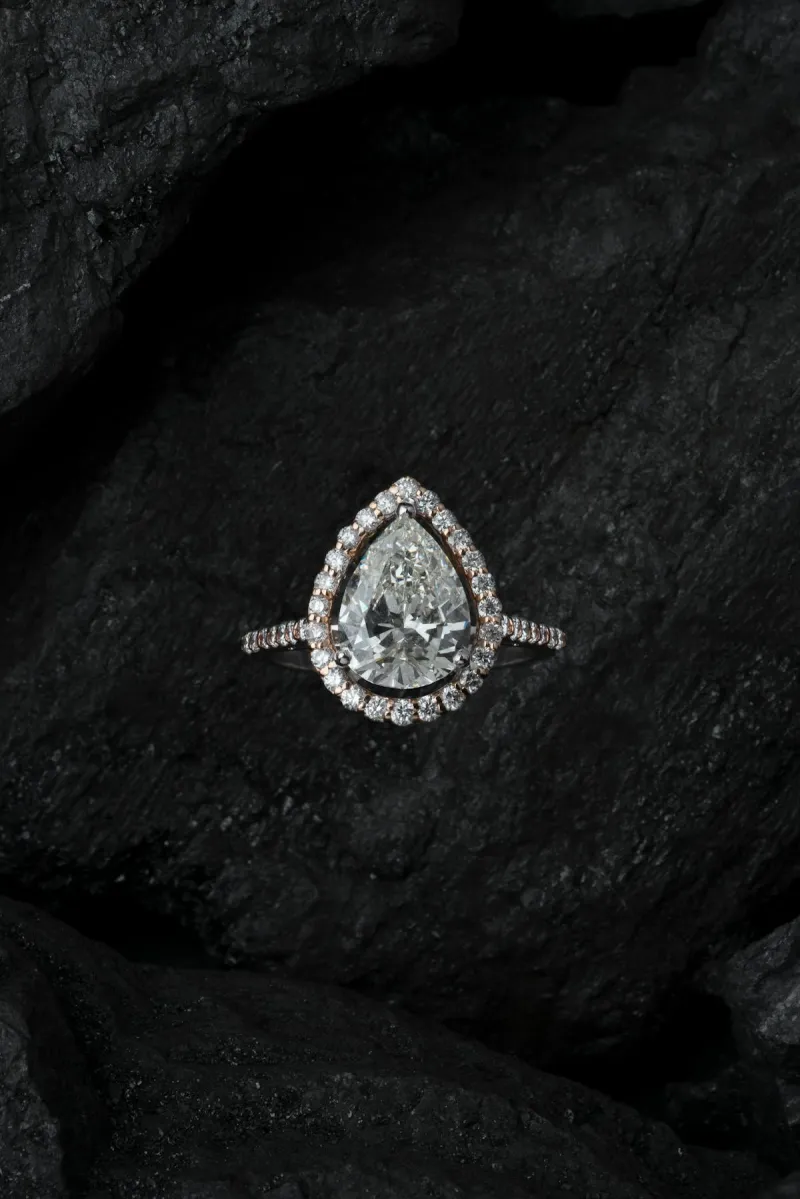
Diamonds are marketed as timeless symbols of love and luxury, yet one of the most uncomfortable truths in the jewellery industry is that most diamonds lose a significant portion of their value the moment they leave the shop. If you have ever tried to sell a diamond ring or are considering a diamond purchase with resale in mind, understanding the reality of diamond resale value is essential. This comprehensive guide explains why diamonds depreciate, what factors influence how much you can recover, where to sell for the best return, and which diamonds are most likely to hold their value over time.
Why Diamonds Lose Value After Purchase
The single biggest reason diamonds lose value on resale is the retail markup built into the original purchase price. When you buy a diamond from a high-street jeweller, the price you pay includes costs that have nothing to do with the stone itself: shop rent, staff wages, marketing campaigns, insurance, display costs, and the retailer's profit margin. These markups typically range from 100 to 200 percent above the wholesale price, and in some luxury boutiques they can be even higher.
When you sell a diamond, the buyer is purchasing at or near wholesale value because they need room for their own margin. This means the gap between what you paid at retail and what you receive on resale can be enormous, even if the diamond's wholesale market value has remained stable or increased slightly.
The Retail Markup Chain
To understand resale value, it helps to see how much markup is added at each stage of the supply chain:
- Mining company to rough dealer: 10 to 20 percent markup on extraction costs.
- Rough dealer to cutter: 10 to 15 percent.
- Cutter to polished wholesale dealer: 30 to 50 percent added through cutting, polishing, and grading.
- Wholesale dealer to retailer: 10 to 20 percent.
- Retailer to consumer: 50 to 200+ percent, depending on the retailer type.
By the time you walk out of the shop, your diamond's price may be two to three times its wholesale market value. On resale, you are competing against that wholesale market, not the retail market.
Other Factors That Cause Depreciation
- No established resale market: Unlike gold, which has a transparent global spot price, diamonds lack a standardised consumer resale marketplace. Each stone is unique, making pricing subjective.
- Emotional purchasing: Most diamonds are bought during emotionally charged moments (engagements, anniversaries), which means buyers are less price-sensitive. Sellers, however, face rational, margin-driven buyers.
- Constant new supply: New diamonds are continuously mined and manufactured, keeping supply steady and reducing scarcity premiums for standard stones.
- Lab-grown competition: The rise of lab-grown diamonds has put downward pressure on natural diamond prices in the lower carat ranges.
Factors That Affect Diamond Resale Value
Not all diamonds lose the same percentage of their value. Several key factors determine how much you can recover when selling.
Certification
A diamond graded by the Gemological Institute of America (GIA) will command a significantly higher resale price than one graded by a less reputable laboratory or one with no certificate at all. GIA reports are universally trusted in the trade, and buyers will pay more for the certainty they provide. An uncertified diamond may need to be sent for grading before sale, adding cost and delay. See our diamond certification guide for details on which labs are most respected.
Carat Weight
Larger diamonds retain a higher percentage of their value because they are rarer and in greater demand among collectors and investors. A 3-carat diamond will typically recover a better proportion of its original cost than a 0.50-carat stone. Diamonds above 2 carats enter a market segment where individual stone characteristics matter more and buyers are willing to pay premiums.
Cut Quality
Well-cut diamonds with GIA Excellent or AGS Ideal grades are more desirable on the secondary market. A beautifully cut diamond shows superior brilliance and fire, making it easier to sell. Poorly cut diamonds, even with high colour and clarity grades, are harder to move and will fetch lower prices.
Colour and Clarity
Diamonds in the D to F colourless range and with high clarity grades (FL to VS1) tend to hold value better in absolute terms, though the percentage loss may be similar. The sweet spot for resale is often the "investment grade" range of D-F colour with VVS1-VVS2 clarity in larger sizes, as these appeal to both jewellery buyers and collectors.
Brand Premium
Diamonds purchased from prestigious brands like Tiffany & Co., Cartier, or Graff carry a significant brand markup, sometimes 50 to 100 percent above what an equivalent unbranded diamond would cost. On resale, branded diamonds may retain more of their value in some specialist channels, but the absolute loss in pounds can be substantial. A Tiffany diamond purchased for 15,000 pounds might resell for 7,000 to 9,000 pounds, whereas an equivalent unbranded diamond purchased for 8,000 pounds might resell for 5,000 to 6,000 pounds.
Diamond Shape
Round brilliant diamonds are the most liquid on the resale market because they are the most popular shape. Fancy shapes such as oval, cushion, and emerald can be slightly harder to sell, though market trends shift over time. Currently popular fancy shapes may command reasonable resale prices, but less fashionable shapes like marquise or pear can be more challenging.
How Much Can You Expect to Get Back?
The percentage you recover depends on where and how you sell, the quality of your diamond, and market conditions. Here is a general overview:
| Selling Channel | Typical Recovery (% of Retail) | Speed of Sale | Best For |
|---|---|---|---|
| Pawn shop | 10-25% | Immediate | Quick cash; small stones |
| Local jeweller/dealer | 25-40% | 1-7 days | Convenience; mid-range stones |
| Online diamond buyer | 25-45% | 1-2 weeks | Certified stones; competitive offers |
| Consignment with jeweller | 40-55% | 1-6 months | Higher recovery; patience required |
| Online marketplace (eBay, etc.) | 35-55% | 1-8 weeks | Branded jewellery; unique pieces |
| Auction house (Christie's, Sotheby's) | 50-70%+ | 2-6 months | Exceptional stones (3+ ct, rare colours) |
| Private sale | 40-60% | Variable | Known buyer; trust relationship |
Note: These percentages are broad illustrative ranges rather than current market quotes. Actual recovery depends heavily on stone quality, documentation, brand, timing, and selling channel, and real offers can fall outside these ranges.
Recovery by Diamond Quality
| Diamond Category | Typical Resale Recovery | Reason |
|---|---|---|
| Under 0.50 ct, standard quality | 10-20% of retail | Abundant supply; low individual value |
| 0.50-1.00 ct, good quality, GIA certified | 25-40% of retail | Common size range; moderate demand |
| 1.00-2.00 ct, high quality, GIA certified | 30-50% of retail | Strong demand; desirable size |
| 2.00-5.00 ct, investment grade, GIA certified | 40-60% of retail | Rarer; collector and investor interest |
| 5.00+ ct, exceptional quality | 50-80% of retail | Very rare; auction-worthy; strong demand |
| Fancy colours (pink, blue, red) | 60-100%+ of retail | Extreme rarity; collector market; appreciating values |
Where to Sell Your Diamond
Choosing the right selling channel can mean the difference between recovering 15 percent and 60 percent of your original purchase price. Each option has distinct advantages and drawbacks.
Auction Houses
Major auction houses such as Christie's, Sotheby's, and Bonhams are the best option for exceptional diamonds, typically those above 3 carats with high colour and clarity grades, or rare fancy colour diamonds. These houses have access to wealthy collectors worldwide and can achieve prices close to or even above retail for truly remarkable stones. However, they charge seller's commissions of 10 to 25 percent, require professional photography and cataloguing, and the process from consignment to payment can take three to six months. Most auction houses will decline diamonds that are too small or common to attract competitive bidding.
Consignment Jewellers
Some jewellers will display your diamond in their shop and sell it on your behalf, taking a commission of 15 to 30 percent. This can be effective because the diamond is presented in a retail environment where buyers expect to pay retail or near-retail prices. The drawback is that it can take months to find a buyer, and you bear the risk of the stone sitting unsold. Ensure the jeweller has adequate insurance covering your stone while it is in their possession.
Online Diamond Buyers
Specialist online diamond buying companies such as WP Diamonds, Worthy, and others have streamlined the process of selling diamonds. You typically receive a quote based on photographs and certificate details, then post the diamond for in-person inspection and a final offer. These platforms are convenient and can offer competitive prices, especially for GIA-certified stones. However, their offers still reflect wholesale market value, so expect 25 to 45 percent of what you paid at retail.
Pawn Shops
Pawn shops offer the fastest route to cash but the worst recovery rates. Most pawn shops lack specialist gemological expertise and will offer conservatively to protect their margin. Expect to recover only 10 to 25 percent of retail value. This should be considered a last resort unless you need money immediately and have no other options.
Private Sale
Selling directly to another individual, whether through personal connections or classified advertisements, eliminates the middleman and can yield better returns. However, private sales carry risks: the buyer may lack trust in your stone's quality, you may face safety concerns meeting strangers, and the transaction lacks the consumer protections of a professional sale. Having a GIA certificate and an independent appraisal can help overcome buyer hesitation.
Online Marketplaces
Platforms like eBay allow you to reach a wide audience, and branded or designer diamond jewellery can perform well in this channel. However, selling loose diamonds on consumer marketplaces is challenging because buyers are cautious about authenticity. Seller fees, shipping insurance, and the risk of fraudulent returns are additional considerations.
Which Diamonds Hold Value Best?
If you are purchasing a diamond with resale value in mind, certain characteristics consistently perform better on the secondary market.
Large, High-Quality Natural Diamonds
Diamonds above 2 carats with D-F colour, VVS clarity, and Excellent cut grades represent the investment-grade segment. These stones are genuinely rare, and their scarcity increases with size. A 5-carat D/IF diamond is exponentially rarer than a 1-carat stone of the same quality, and this rarity translates to stronger resale demand.
Fancy Colour Diamonds
Natural fancy colour diamonds, particularly pinks, blues, and reds, have shown the strongest long-term value appreciation of any diamond category. A natural vivid pink diamond has historically appreciated at 5 to 12 percent per year, and exceptional stones have sold at auction for record-breaking sums. The closure of the Argyle mine in Australia in 2020, which produced the majority of the world's pink diamonds, has further increased the value of existing pink diamonds.
GIA-Certified Stones
GIA certification is virtually a prerequisite for achieving the best resale prices. Buyers in the secondary market demand the assurance that comes with a GIA report. A diamond graded by a less rigorous laboratory may be accurately graded, but it will still fetch less because of the uncertainty factor.
Classic Shapes
Round brilliant diamonds are the safest choice for resale because they are always in demand. While fancy shapes go in and out of fashion, the round brilliant has been the most popular diamond shape for over a century and shows no signs of losing that position.
Natural vs. Lab-Grown Diamond Resale Value
The resale value difference between natural and lab-grown diamonds is one of the starkest contrasts in the jewellery market.
| Factor | Natural Diamond | Lab-Grown Diamond |
|---|---|---|
| Typical resale recovery | 25-50% of retail price | 5-15% of retail price (and falling) |
| Wholesale market demand | Established; global trading networks | Very limited; few secondary buyers |
| Long-term price trend | Generally stable to slowly appreciating | Rapidly declining as production costs fall |
| Scarcity | Finite supply; takes billions of years to form | Unlimited production potential |
| Collector interest | Strong, especially for rare stones | Negligible |
| Insurance replacement value | Based on current retail for equivalent stone | Drops rapidly as new prices fall |
Lab-grown diamonds are an excellent choice for buyers who prioritise size, beauty, and affordability, but they should not be purchased with any expectation of resale value. The cost of producing lab-grown diamonds continues to fall, which means the stone you buy today could be available new at a fraction of the price within a few years. This makes lab-grown diamonds essentially a consumption purchase rather than a store of value. For a full comparison, see our natural vs. lab-grown diamonds guide.
Tips to Maximise Your Diamond's Resale Value
Whether you are planning ahead for a future sale or trying to get the best price for a diamond you already own, these strategies can help you maximise your return.
Before You Buy
- Always insist on GIA certification: This is the single most important factor for resale value. A GIA report provides universally accepted proof of your diamond's quality.
- Buy from low-markup sources: Purchasing from online retailers with lower markups means you start closer to wholesale value, reducing your potential loss on resale.
- Choose investment-grade specifications: If resale value matters, prioritise D-F colour, VVS clarity, Excellent cut, and sizes above 1 carat.
- Avoid heavy brand premiums: Unless the brand name itself adds resale value in specialist channels (e.g., Graff, Harry Winston), the brand premium is lost on resale.
- Consider round brilliant: The most liquid and universally demanded shape in the secondary market.
- Keep all documentation: The original GIA report, purchase receipt, and any appraisals are essential for establishing provenance and value.
When You Sell
- Get multiple offers: Never accept the first offer. Approach at least three to five buyers to understand the market range for your stone.
- Have an independent appraisal: An up-to-date appraisal from a qualified gemologist gives you a baseline for negotiations.
- Time your sale wisely: Diamond demand peaks in the weeks before Valentine's Day and during the autumn engagement season. Selling during these periods may yield slightly better prices.
- Present the diamond well: Have it professionally cleaned before showing it to potential buyers. A clean diamond shows its best brilliance and creates a positive impression.
- Be realistic about price: Understanding that 25 to 50 percent of retail is the typical range helps you set realistic expectations and avoid the frustration of holding out for an unrealistic price.
- Consider the full picture: Sometimes selling the ring as a complete piece of jewellery (especially if it is designer or antique) yields more than selling the diamond loose.
Diamonds as an Investment: Are They Worth It?
Many buyers wonder whether diamonds can serve as financial investments. The short answer is that for most people, diamonds are not reliable investment vehicles. The retail markup, illiquid resale market, and lack of yield (no dividends, interest, or rent) make standard diamonds poor financial assets compared with more transparent investments like gold, equities, or real estate. Any return depends solely on price appreciation, which must first overcome the initial markup gap.
What Makes a Diamond Investment-Grade?
Investment-grade diamonds represent a very small fraction of all diamonds sold. They share several key characteristics: carat weight of 2.00 ct and above (ideally 3.00 ct+), D-F colourless grades, VVS1-VVS2 or IF clarity, Excellent or Ideal cut with no fluorescence, and mandatory GIA certification. Round brilliant shapes are most liquid. The logic is straightforward: rarity matters more than mainstream desirability when collectors allocate serious capital.
Fancy Coloured Diamonds as Investments
Natural fancy coloured diamonds are the segment most often cited in serious collecting and auction discussions. Red diamonds are the rarest of all, with fewer than 30 true reds known to exist. Blue diamonds, coloured by trace amounts of boron, are exceptionally rare. Pink diamonds gained additional attention after the Argyle mine closure in 2020. These stones can command extraordinary prices, but the market is small and illiquid, and minimum investment thresholds are very high.
Tips for Buying Diamonds with Investment in Mind
- Buy at the strongest price you can justify: Entry price matters enormously because retail markup is the main obstacle to any future gain.
- Focus on rarity: Only consider diamonds that are genuinely scarce. Common sizes and qualities have too many substitutes.
- Prioritise strong documentation: High-level buyers expect top-tier laboratory reporting and clear provenance.
- Avoid settings: Buy loose diamonds, not mounted jewellery. Settings add cost but not investment value.
- Think long-term: Short-term flipping is usually undermined by transaction costs and dealer spreads.
- Diversify: Never put a large percentage of your wealth into diamonds.
- Insure your stones: Obtain specialist jewellery insurance with agreed value cover.
Common Investment Mistakes to Avoid
- Buying retail and expecting appreciation.
- Treating lab-grown diamonds as investments (they are generally poor investment assets due to unlimited supply and falling prices).
- Ignoring the four Cs and hoping size alone will drive returns.
- Buying without GIA certification.
- Overconcentrating your portfolio in a single illiquid asset class.
- Expecting short-term gains from an asset with high transaction costs.
Diamond Resale vs. Other Investments
It is worth placing diamond resale value in the context of other assets to set realistic expectations.
| Asset | Typical Resale Recovery | Liquidity | Annual Appreciation |
|---|---|---|---|
| Standard diamond (1 ct, good quality) | 25-50% of retail | Low to moderate | 0-2% (wholesale value) |
| Fancy colour diamond (rare) | 60-100%+ of retail | Moderate | 5-12% historically |
| Gold bullion | 95-99% of spot price | Very high | Variable; long-term average ~7% |
| New car | 40-60% after 3 years | High | Depreciates |
| Designer handbag (select brands) | 50-120% of retail | Moderate | Variable |
| Fine art | Highly variable | Low | Highly variable |
As the table illustrates, standard diamonds are generally weaker financial assets than highly liquid products such as bullion. Rare and exceptional diamonds can behave differently, but they remain specialist, less transparent markets.
Frequently Asked Questions
How much is my diamond ring worth if I sell it today?
Most diamond rings resell for materially less than their original retail price, though the exact outcome depends on the diamond's quality, documentation, size, and the selling channel you choose. A well-documented stone sold through a specialist buyer will usually perform better than an uncertified stone sold in a quick-sale channel. Get multiple quotes to establish a realistic range.
Do diamonds appreciate in value over time?
Standard diamonds have generally not appreciated enough to overcome the retail markup gap for most consumer buyers. Exceptional diamonds, particularly rare large natural stones and fancy colours, can behave differently, but that is a specialist market. Lab-grown diamond prices have fallen sharply in recent years, which has further weakened resale expectations for that category.
Is it better to sell the diamond loose or in the ring setting?
For most standard diamond rings, selling the diamond loose and the metal separately often yields a higher combined return because buyers can assess each component independently. However, if the ring is from a recognised designer, is a vintage or antique piece, or has a particularly attractive or unusual setting, selling it as a complete piece may command a premium. Assess both options before deciding.
Can I sell a lab-grown diamond?
Technically yes, but the resale market for lab-grown diamonds remains limited. Many buyers prefer new lab-grown stones because retail prices have fallen so much. Resale offers, when available, are often low relative to the original purchase price.
Should I buy a diamond as an investment?
For most buyers, diamonds should not be considered financial investments. The retail markup and relatively illiquid resale market make standard diamonds poor investment vehicles compared with more transparent assets. Rare, high-quality natural diamonds and fancy colour diamonds can behave differently, but even those belong to a specialist, speculative segment.