What Does 925 Mean on Jewellery?
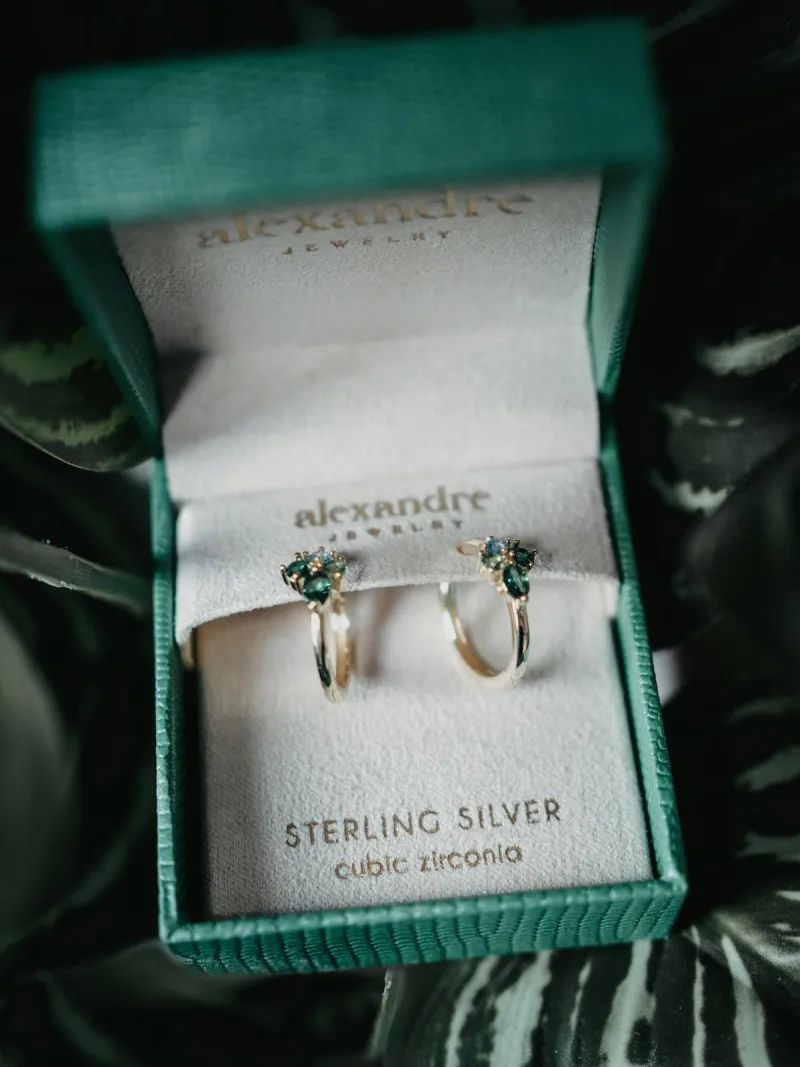
If you have ever examined a piece of silver jewellery closely, you have probably spotted a tiny “925” engraved somewhere on the surface – inside a ring band, on a clasp or on the back of a pendant. This small number is a standard purity mark associated with sterling silver, one of the most popular and trusted precious metals in jewellery making. On its own, however, a stamp is not absolute proof of authenticity, because counterfeit marks do exist.
This guide explains exactly what the 925 stamp means, why it matters, how it relates to other hallmarks and how you can use it to avoid counterfeit or low-quality silver.
The Meaning of 925
The number 925 refers to the purity of the silver alloy. It tells you that the piece contains 92.5% pure silver by weight, with the remaining 7.5% made up of other metals – most commonly copper. This specific ratio defines sterling silver, the international standard for silver jewellery and silverware.
The number is expressed in “parts per thousand” (also called millesimal fineness). So 925 means 925 parts silver out of 1,000 total parts. You may also see it written as “.925” or “S925” on some pieces.
Why Not Use Pure Silver?
Pure silver (fine silver, stamped 999) is 99.9% silver. While it has a gorgeous lustre and does not tarnish as readily as sterling, it is far too soft for practical jewellery. A ring made of pure silver would bend out of shape within days of normal wear. Prongs would deform, chains would stretch and bracelets would dent at the slightest knock.
By adding 7.5% copper, jewellers create an alloy that is significantly harder and more durable while retaining the brilliant white appearance that makes silver so appealing. This balance between beauty and strength is why sterling silver has been the benchmark alloy for centuries.
Common Silver Purity Stamps
| Stamp | Silver Content | Name | Common Use |
|---|---|---|---|
| 999 | 99.9% | Fine Silver | Bullion, speciality items |
| 960 | 96.0% | Britannia Silver | UK silverware, premium jewellery |
| 950 | 95.0% | French First Standard | French silverware |
| 935 | 93.5% | Argentium Silver | Modern tarnish-resistant jewellery |
| 925 | 92.5% | Sterling Silver | Jewellery, flatware, decorative items |
| 900 | 90.0% | Coin Silver | Antique American pieces |
| 800 | 80.0% | European Silver | Continental European silverware |
The History of the 925 Standard
The sterling silver standard has remarkably deep roots. In England, King Edward I introduced regulations for silver purity in 1300, making it one of the oldest consumer protection standards in the world. The word “sterling” itself is believed to derive from the Norman French “esterlin,” a type of silver penny used in trade.
The 92.5% standard was formalised because it struck the optimal balance: enough copper to make the metal workable and durable, but not so much that the silver’s colour or value was significantly diminished. This same ratio remains the global benchmark more than 700 years later.
Where to Find the 925 Stamp
The placement of the stamp varies by jewellery type:
- Rings: Inside the band.
- Necklaces and bracelets: On or near the clasp, or on a small tag attached to the chain.
- Earrings: On the post, butterfly back or the back of the earring.
- Pendants: On the bail (the loop that connects to the chain) or the reverse side.
- Watches: On the case back.
Very small or delicate items may not have room for a stamp. In these cases, reputable sellers provide a certificate of authenticity or note the metal composition on the product listing.
UK Hallmarking Laws
In the United Kingdom, hallmarking is governed by the Hallmarking Act 1973. Any silver item weighing 7.78 grams or more must be assayed and hallmarked by one of the four UK assay offices (London, Birmingham, Sheffield or Edinburgh) before it can be described as silver. A complete UK hallmark includes:
- Sponsor’s mark: Identifies the manufacturer or retailer.
- Fineness mark: 925 for sterling silver.
- Assay office mark: A symbol indicating which office tested the piece (e.g. a leopard’s head for London, an anchor for Birmingham).
- Date letter (optional since 1999): A letter indicating the year of assay.
This system provides an exceptionally reliable layer of consumer protection. If you are buying silver jewellery in the UK, always check for a proper hallmark.
925 on Gold-Coloured Jewellery
You may occasionally see 925 stamped on jewellery that appears gold. This typically indicates gold vermeil – a piece made from sterling silver that has been plated with a layer of gold (at least 2.5 microns thick). The base metal is still sterling silver, hence the 925 stamp. Learn more about this in our gold plated vs gold filled guide.
How to Spot Fake 925 Silver
Unfortunately, counterfeit silver exists. Here are practical steps to verify authenticity:
- Check the stamp quality: Genuine hallmarks are clean, crisp and uniformly applied. Blurry, uneven or suspiciously large stamps can indicate a fake.
- Perform a magnet test: Silver is not magnetic. If the piece clings to a magnet, it is not silver (though this test alone is not conclusive, as some non-silver metals are also non-magnetic).
- Smell test: Silver has no strong odour. A metallic or sulphuric smell may suggest a base metal with silver plating.
- Rub test: Rub the piece with a soft white cloth. If black marks appear, that is a positive sign – genuine silver produces a slight dark residue during polishing. No mark at all could indicate plating over a non-tarnishing base metal.
- Price check: If the price seems too good to be true, it probably is. Sterling silver has a real material cost that ethical sellers must reflect in their pricing.
- Buy from reputable sources: Established jewellers, hallmarked products and certified online retailers are the safest options.
Other Numbers You Might See
Beyond 925, you may encounter other numbers on jewellery. Here is a quick reference:
- 375, 585, 750: These are gold fineness stamps. 375 = 9K gold, 585 = 14K gold, 750 = 18K gold.
- 950: Could indicate either Britannia silver or platinum (950 fineness). Context and additional hallmarks clarify which.
- 316L: Refers to surgical-grade stainless steel, not silver.
Frequently Asked Questions
Is 925 silver good quality?
Yes. 925 sterling silver is considered genuine precious metal and is the worldwide standard for silver jewellery. It contains 92.5% pure silver, making it both valuable and durable enough for everyday wear.
Does 925 silver tarnish?
Yes, sterling silver can tarnish over time due to the copper content reacting with sulphur compounds in the air. Regular wearing, cleaning and proper storage significantly slow this process. See our why silver tarnishes guide for prevention tips.
Is 925 silver hypoallergenic?
Sterling silver is well tolerated by most people. However, it is not 100% hypoallergenic because the copper alloy can occasionally cause mild reactions in very sensitive individuals. For truly hypoallergenic options, consider platinum, titanium or palladium.
Can 925 silver get wet?
Brief contact with water will not damage sterling silver, but prolonged exposure – especially to chlorinated or salt water – accelerates tarnishing. Remove silver jewellery before swimming and showering for best results.
Is there anything better than 925 silver?
Argentium silver (935 or 960 fineness) is a newer alloy that tarnishes less and is slightly more pure. For maximum purity without concern for durability, fine silver (999) is available but is impractical for most jewellery applications.