Gold in Jewellery: Everything You Need to Know
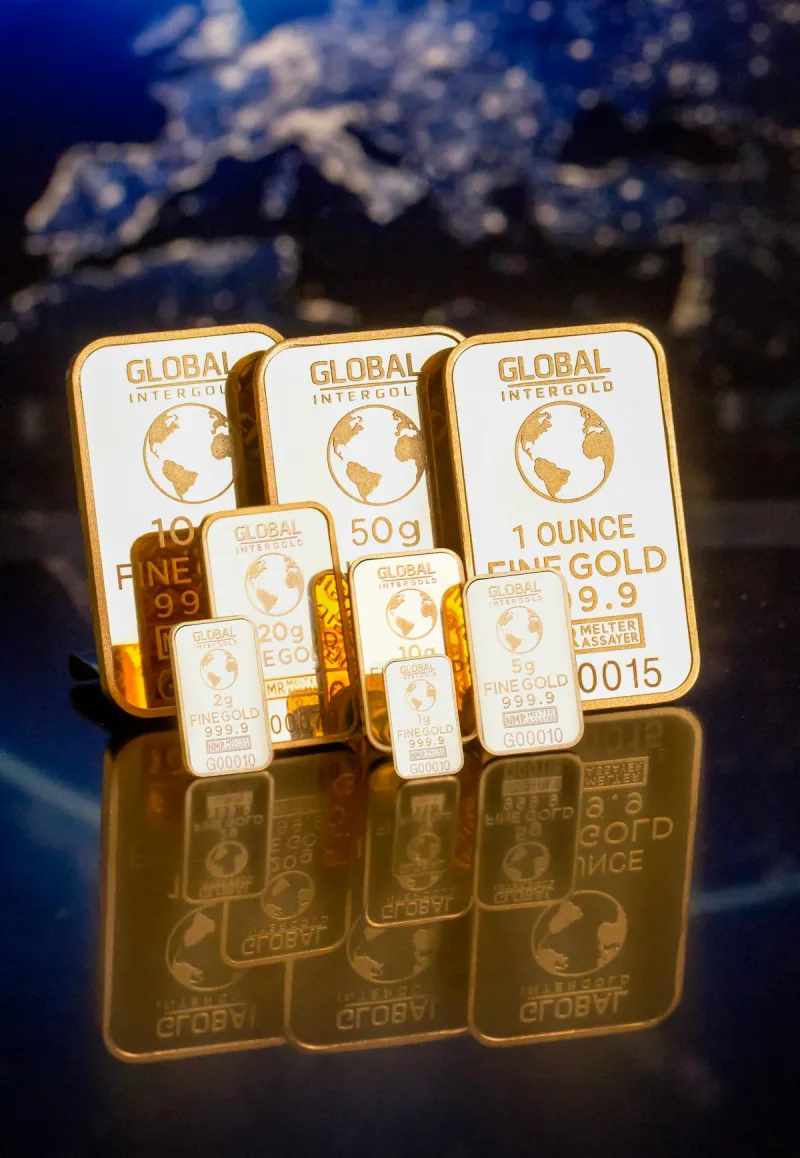
Gold has captivated humanity for over 6,000 years. It was among the first metals ever worked by human hands, and it remains the single most popular choice for fine jewellery today. Its warm colour, natural resistance to corrosion and extraordinary malleability make it uniquely suited to adorn the human body. Whether you are selecting a simple wedding band or an elaborate gemstone necklace, gold offers a spectrum of options defined by purity (karat), colour and construction method.
This guide explores every facet of gold as a jewellery metal – from the science behind karat ratings to the practical differences between yellow, white and rose gold. By the end, you will understand exactly what you are paying for and which type of gold best fits your lifestyle.
What Makes Gold Special?
Gold’s appeal is not merely aesthetic. Several physical and chemical properties set it apart from every other metal on Earth:
- Corrosion resistance: Gold does not rust, tarnish or react with most chemicals. A gold artefact recovered from an ancient tomb looks virtually identical to the day it was buried.
- Malleability: A single ounce of gold can be hammered into a sheet roughly three metres square or drawn into a wire over 80 kilometres long. This makes it exceptionally easy to work into intricate designs.
- Density: Gold is dense (19.3 g/cm³), which gives it a satisfying weight in the hand and helps jewellers detect counterfeit pieces.
- Biocompatibility: Pure gold rarely causes allergic reactions, making it a safe choice for people with sensitive skin.
- Rarity: All the gold ever mined would fit inside a 21-metre cube, ensuring it retains lasting value.
Understanding Gold Karats
The karat system measures the proportion of pure gold in an alloy. Pure gold is defined as 24 karats. When other metals are added to improve strength or alter colour, the karat number decreases proportionally.
How Karats Are Calculated
The formula is simple: divide the number of parts gold by 24 and multiply by 100 to get the gold percentage. An 18-karat piece, for example, contains 18/24 = 75% pure gold. The remaining 25% is made up of alloying metals such as copper, silver, zinc or palladium.
| Karat | Gold Content | Fineness | Durability | Best For |
|---|---|---|---|---|
| 24K | 99.9% | 999 | Very soft | Investment, special-occasion pieces |
| 22K | 91.7% | 917 | Soft | Traditional Asian & Middle Eastern jewellery |
| 18K | 75.0% | 750 | Moderate | Fine jewellery, engagement rings |
| 14K | 58.3% | 585 | Good | Everyday jewellery, active lifestyles |
| 10K | 41.7% | 417 | Very good | Budget-friendly jewellery |
| 9K | 37.5% | 375 | Very good | Budget jewellery (UK, Australia) |
Higher-karat gold has a richer yellow colour and is less likely to trigger allergies but is more prone to scratching. Lower-karat gold is harder and more affordable but contains a greater proportion of alloy metals that may include nickel. For an in-depth look at the two most popular choices, see our 18K vs 14K gold comparison.
Gold Colours Explained
Gold can be alloyed to produce a range of colours. The three most common are yellow, white and rose, but green, grey and even black gold exist in specialist collections.
Yellow Gold
Yellow gold is the closest to the metal’s natural state. Typical alloys mix pure gold with silver and copper in balanced proportions to preserve the warm yellow hue while improving hardness. Yellow gold complements warmer skin tones and pairs beautifully with colourful gemstones like sapphire, emerald and ruby.
White Gold
White gold is created by alloying pure gold with white metals such as palladium, nickel or zinc. Most white gold jewellery is then coated with a thin layer of rhodium to achieve a bright, silvery finish. Over time this plating wears away and needs to be reapplied, typically every one to three years. Shoppers who want a permanent white metal might consider platinum instead – see our white gold vs platinum guide for a full comparison.
Rose Gold
Rose gold gets its warm, pinkish hue from a higher proportion of copper in the alloy. An 18K rose gold ring typically contains 75% gold, roughly 22.5% copper and 2.5% silver. The resulting colour ranges from a soft blush to a deep coppery pink depending on the exact recipe. Rose gold has surged in popularity for engagement rings and fashion jewellery. Learn more in our dedicated rose gold guide.
Gold Purity Hallmarks
Reputable jewellery will carry a hallmark or stamp indicating its gold content. The most common systems are:
- Karat stamps: 24K, 18K, 14K, 10K, 9K – widely used in the Americas and Asia.
- Fineness stamps: 999, 750, 585, 417, 375 – expressed in parts per thousand, common in Europe.
- Assay office marks: In the UK, jewellery must be hallmarked by an official assay office if it exceeds a certain weight. The hallmark includes a sponsor’s mark, a fineness number and an assay office symbol.
Always check for a hallmark before purchasing gold jewellery. Its absence does not necessarily mean the piece is fake, but it should prompt further investigation.
Gold Plated, Gold Filled and Solid Gold
Not all gold jewellery is created equal. Understanding the difference between solid gold, gold-filled and gold-plated pieces can save you from overpaying – or from buying something that will not last.
- Solid gold: The entire piece is made from a gold alloy. It will last a lifetime and can be resized or repaired easily.
- Gold filled: A thick layer of gold is mechanically bonded to a base metal core. Gold-filled pieces must contain at least 5% gold by weight and can last decades with proper care.
- Gold plated: A very thin layer of gold is electroplated onto a base metal. Affordable but prone to wearing off within months to a few years.
- Gold vermeil: A thicker gold plating (at least 2.5 microns) over sterling silver. A step up from standard plating, but still not permanent.
For a detailed breakdown, see our gold plated vs gold filled guide.
How Gold Is Priced
The price of gold jewellery depends on several factors beyond the spot price of raw gold:
- Gold weight: Heavier pieces use more metal and cost more.
- Karat: Higher-karat pieces contain more pure gold per gram.
- Craftsmanship: Hand-finished, designer or antique pieces command a premium over mass-produced items.
- Gemstones: A diamond-set gold ring will cost more than a plain band of the same karat and weight.
- Brand: Luxury brands add significant mark-ups for their name and packaging.
As a general rule, the raw gold value (also called the “melt value”) of a piece is the absolute floor price. Finished jewellery typically sells for two to five times the melt value, depending on complexity and brand positioning.
Caring for Gold Jewellery
Gold is low-maintenance compared to many other metals, but a few simple habits will keep it looking brilliant for decades:
- Remove gold jewellery before swimming in chlorinated pools, as chlorine can weaken gold alloys over time.
- Avoid exposing gold to harsh household chemicals such as bleach or ammonia.
- Clean gold at home by soaking it in warm water with a few drops of mild dish soap, then gently scrubbing with a soft-bristle toothbrush.
- Store gold pieces separately in soft pouches to prevent scratching.
- Have white gold jewellery re-rhodium-plated when the finish begins to appear yellowish.
For more tips, visit our jewellery care centre.
Gold Allergies and Skin Reactions
Pure gold is hypoallergenic, but gold alloys can cause reactions in some people. The most common culprit is nickel, which is sometimes used in white gold alloys. If you have sensitive skin, choose nickel-free alloys, opt for higher-karat gold (18K or above) or consider platinum. For a full list of safe metals, see our hypoallergenic metals guide.
Frequently Asked Questions About Gold
Is 24K gold too soft for a ring?
For everyday wear, yes. 24K gold scratches and dents easily. It is best reserved for special-occasion jewellery, investment bars or traditional pieces that are worn gently. Most jewellers recommend 18K or 14K for rings.
Does gold lose value over time?
The intrinsic metal value of gold fluctuates with global markets, but historically gold has maintained or increased in value over the long term. Jewellery typically resells for less than its retail price, however, because buyers pay for craftsmanship and retail margins on top of the metal value.
Can I wear gold in the shower?
Solid gold (14K and above) can withstand occasional exposure to water and mild soap, but regular shower exposure may cause soap buildup and dull the finish over time. It is best to remove gold jewellery before showering.
How can I tell if gold is real?
Look for a karat or fineness stamp. You can also perform a simple magnet test – gold is not magnetic. For a definitive answer, take the piece to a certified jeweller who can test it with an acid kit or an electronic gold tester.
What is the best gold karat for an engagement ring?
18K gold is widely regarded as the best balance between purity and durability for engagement rings. It contains 75% pure gold, offers rich colour and is strong enough for daily wear. 14K is an excellent choice for those on a tighter budget or with a particularly active lifestyle.