Sterling Silver Jewellery: What to Know
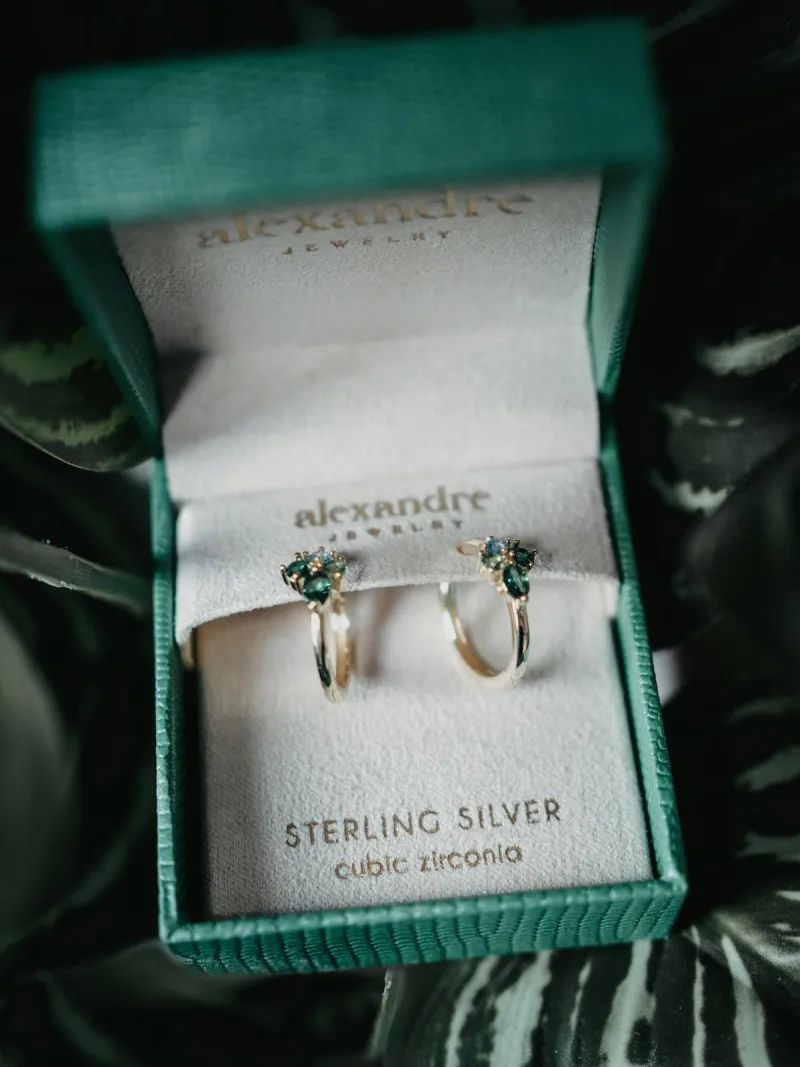
Sterling silver is one of the most beloved jewellery metals in the world. It offers a bright, lustrous white finish at a price point that makes fine-quality jewellery accessible to almost everyone. From delicate earrings to bold statement necklaces, sterling silver suits every style and occasion. Yet despite its popularity, many buyers are unsure what sterling silver actually is, how it differs from pure silver and what it takes to keep it looking its best.
This comprehensive guide covers everything you need to know about sterling silver – its composition, how to identify genuine pieces, its strengths and weaknesses and the best ways to care for it.
What Is Sterling Silver?
Sterling silver is an alloy composed of 92.5% pure silver and 7.5% other metals, most commonly copper. This composition is universally recognised and is the reason you will see the number 925 stamped on sterling silver jewellery. The addition of copper (and sometimes zinc or germanium) addresses pure silver’s primary weakness: softness. Pure silver, also called fine silver (999 fineness), is too soft for most jewellery applications. It bends, scratches and deforms with minimal force. By alloying it with copper, jewellers create a metal that retains silver’s beauty while gaining enough hardness to hold its shape in rings, bracelets, chains and settings.
Sterling Silver vs Fine Silver vs Silver Plated
| Type | Silver Content | Fineness | Durability | Tarnish | Price |
|---|---|---|---|---|---|
| Fine Silver | 99.9% | 999 | Very soft | Minimal | $$ |
| Sterling Silver | 92.5% | 925 | Good | Moderate | $$ |
| Argentium Silver | 93.5%–96% | 935–960 | Good | Low | $$–$$$ |
| Silver Plated | Trace | N/A | Depends on base | High (after plating wears) | $ |
| Nickel Silver | 0% | N/A | Good | High | $ |
Argentium silver is a modern alloy that replaces some of the copper with germanium. This modification significantly reduces tarnishing and improves hardness, making it an increasingly popular choice for premium silver jewellery.
How to Identify Genuine Sterling Silver
Hallmarks and Stamps
Authentic sterling silver should carry one or more of the following marks:
- 925 – the most common international stamp, indicating 92.5% silver content.
- STERLING – sometimes spelled out, particularly on American-made pieces.
- STER or SS – abbreviations used by some manufacturers.
- Lion Passant – in the UK, a walking lion symbol indicates sterling silver, applied by an official assay office.
For a deeper dive into the 925 mark, see our What Does 925 Mean? guide.
Other Verification Methods
- Magnet test: Silver is not magnetic. If a piece is strongly attracted to a magnet, it is not genuine silver.
- Ice test: Silver has the highest thermal conductivity of any metal. Place an ice cube on the surface – it should melt noticeably faster than on other metals.
- Acid test: A drop of nitric acid on a discreet area will turn creamy white on sterling silver but green on copper or brass.
- Professional testing: A jeweller can use an XRF analyser for a definitive, non-destructive purity assessment.
Advantages of Sterling Silver
- Affordability: Sterling silver costs a fraction of gold or platinum, making it ideal for building a versatile jewellery collection.
- Bright white lustre: When polished, sterling silver has a brilliant white shine that rivals rhodium-plated white gold.
- Versatility: Suitable for all jewellery types, from fine gemstone settings to casual everyday wear.
- Hypoallergenic (usually): Sterling silver is well tolerated by most skin types. Reactions are uncommon unless the alloy contains nickel.
- Easy to work: Jewellers can craft intricate, detailed designs in silver that would be prohibitively expensive in gold or platinum.
- Recyclable: Silver can be melted and re-refined indefinitely without any loss of quality.
Disadvantages of Sterling Silver
- Tarnishing: The copper in sterling silver reacts with sulphur compounds in the air, creating a dark patina over time. Read our why silver tarnishes guide for a full explanation.
- Softer than gold alloys: While harder than pure silver, sterling silver is still softer than 14K gold, making it more prone to scratching and bending.
- Requires regular maintenance: Silver needs periodic cleaning and polishing to maintain its shine.
- Not ideal for prong settings: Sterling silver prongs can wear down faster than gold or platinum, which is why diamonds and expensive gemstones are rarely set in silver alone.
Popular Uses of Sterling Silver in Jewellery
Sterling silver is extraordinarily versatile. Common applications include:
- Earrings: Posts, hoops, drops and studs – silver earrings are a wardrobe staple.
- Necklaces and pendants: From delicate chains to bold pendants set with gemstones.
- Bracelets and bangles: Charm bracelets, cuffs and tennis bracelets are frequently made in sterling silver.
- Rings: Fashion rings, stacking rings and some engagement rings use sterling silver.
- Men’s jewellery: Silver is popular for men’s rings, chains, cufflinks and identity bracelets.
Caring for Sterling Silver
Daily Habits
- Put silver jewellery on after applying perfume, lotion and hairspray.
- Remove before swimming, bathing or exercising.
- Wipe with a soft polishing cloth after each wear to remove oils and moisture.
Cleaning
- Soak in warm water with a few drops of mild dish soap for 5–10 minutes.
- Gently scrub with a soft-bristle toothbrush, paying attention to textured areas.
- Rinse under clean water and pat dry with a lint-free cloth.
- For heavier tarnish, use a dedicated silver polishing cloth or a commercial silver cleaner.
Storage
- Store in an airtight bag or container with an anti-tarnish strip.
- Keep pieces separated to prevent scratching.
- Avoid storing in the bathroom, where humidity accelerates tarnishing.
For more detailed advice, visit our jewellery care centre.
Frequently Asked Questions
Is sterling silver real silver?
Yes. Sterling silver contains 92.5% pure silver, making it a genuine precious metal. The remaining 7.5% is typically copper, added for strength and durability.
Does sterling silver turn your skin green?
It can, though it is harmless. The copper in the alloy may react with sweat and acids on your skin, leaving a faint green mark. Keeping your silver clean and dry minimises this. The mark washes off easily with soap and water.
How long does sterling silver last?
With proper care, sterling silver jewellery can last a lifetime and beyond. Many families pass down silver pieces for generations. Regular polishing and careful storage are the keys to longevity.
Can sterling silver be worn every day?
Absolutely. In fact, wearing silver regularly can actually slow tarnishing because the natural oils on your skin create a light protective barrier. Just remember to remove it before activities that involve water, chemicals or heavy impact.
Is sterling silver suitable for engagement rings?
Sterling silver can be used for engagement rings, especially for budget-conscious couples. However, it is softer and more prone to tarnishing than gold or platinum, so it requires more maintenance. For a ring worn daily for decades, most jewellers recommend gold or platinum.