Palladium Jewellery: The Lightweight Alternative to Platinum
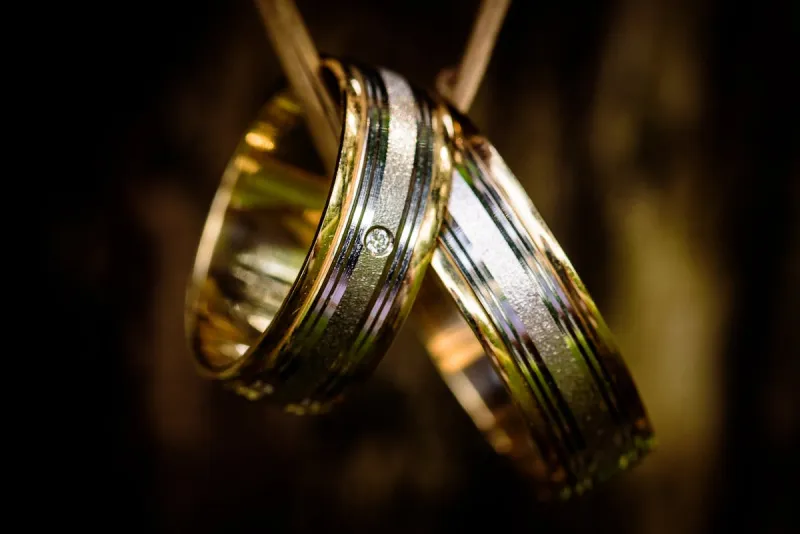
Palladium is one of the jewellery world’s best-kept secrets. A member of the same platinum group of metals (PGMs) as platinum and rhodium, palladium shares many of platinum’s prized qualities – a naturally white colour, hypoallergenic nature and excellent tarnish resistance – but at roughly half the weight and, historically, a more accessible price point. For buyers who want a premium white metal without the heft and expense of platinum, palladium is an outstanding option.
This guide explores palladium’s properties, its advantages and disadvantages, how it stacks up against platinum and white gold, and practical care advice.
What Is Palladium?
Palladium (symbol Pd, atomic number 46) was discovered in 1803 by the English chemist William Hyde Wollaston. It is a rare, silvery-white metal found primarily in South Africa, Russia, Canada and the United States. Like platinum, palladium is incredibly resistant to corrosion and oxidation, making it ideal for jewellery that must endure a lifetime of wear.
Jewellery-grade palladium is typically 95% pure (950 fineness), with the remaining 5% consisting of ruthenium or other platinum-group metals to improve hardness and workability. The 950 standard was officially recognised as a hallmarkable precious metal in the UK in 2010, and palladium has since gained recognition in markets worldwide.
Physical Properties
| Property | Palladium 950 | Platinum 950 | 18K White Gold |
|---|---|---|---|
| Purity | 95% | 95% | 75% gold |
| Density | 12.02 g/cm³ | 21.45 g/cm³ | ~14–16 g/cm³ |
| Weight (same ring) | Lightest | Heaviest | Middle |
| Natural Colour | Light grey-white | Cool grey-white | Slightly yellow (plated white) |
| Rhodium Plating Needed | No | No | Yes |
| Hypoallergenic | Yes | Yes | Varies |
| Tarnish Resistance | Excellent | Excellent | Very good |
| Hardness (Vickers) | ~40–60 HV | ~50–80 HV | ~155–200 HV |
Advantages of Palladium
Lightweight Comfort
Palladium is roughly 44% less dense than platinum. This makes palladium rings noticeably lighter on the finger – a significant benefit for anyone who finds heavy rings uncomfortable or distracting. Despite the lower density, palladium jewellery still feels substantive and luxurious, just not as hefty as platinum.
Naturally White
Like platinum, palladium is naturally white and requires no rhodium plating. It will never reveal a yellowish undertone, which gives it a maintenance advantage over white gold. Palladium’s colour is slightly lighter and brighter than platinum’s – some describe it as more of a “bright silver” compared to platinum’s “steely grey.”
Hypoallergenic
Palladium is completely nickel-free and naturally hypoallergenic. It is an excellent choice for anyone who experiences skin reactions from white gold or base metal jewellery.
Tarnish-Proof
Under normal wearing conditions, palladium does not tarnish, corrode or discolour. It maintains its appearance with virtually no chemical maintenance, unlike sterling silver, which requires regular polishing.
Precious Metal Status
Palladium is a genuine precious metal with its own hallmark in the UK. It holds real intrinsic value and is recognised by assay offices alongside gold, silver and platinum.
Disadvantages of Palladium
- Softer than gold alloys: With a Vickers hardness around 40–60, palladium scratches more easily than 14K or 18K gold. Like platinum, scratches displace rather than remove metal, but the surface can look worn faster.
- Limited availability: Fewer jewellers stock palladium settings compared to gold or platinum. You may need to custom-order pieces, which can increase lead times and costs.
- Resizing difficulty: Palladium has a high melting point (1,555°C) and requires specialised equipment to work. Not every jeweller can resize or repair palladium rings.
- Price volatility: Palladium prices have been highly volatile in recent years due to industrial demand (automotive catalytic converters). At times, palladium has been more expensive than platinum per ounce, though the jewellery market reflects manufacturing costs rather than just raw metal price.
- Can become brittle if overworked: Palladium alloys can develop micro-cracks if subjected to excessive cold working or improper casting. Choosing an experienced palladium jeweller is important.
Palladium for Wedding Bands and Engagement Rings
Palladium makes an excellent choice for wedding bands and engagement rings. Its lightweight nature means it is comfortable for all-day, every-day wear. Its natural white colour flatters diamonds without the maintenance burden of rhodium replating. And its precious metal status gives it a gravitas that alternative metals like titanium or stainless steel cannot match.
For buyers who love the idea of a platinum-group metal but find platinum too heavy or too expensive, palladium hits a compelling sweet spot.
Caring for Palladium Jewellery
- Clean with warm, soapy water and a soft cloth. Rinse well and pat dry.
- Use a polishing cloth designed for precious metals to restore surface shine.
- Remove rings before heavy manual work or activities that could cause deep scratches.
- Store separately in a soft pouch to prevent contact with harder metals that could scratch the surface.
- Have a professional jeweller polish palladium pieces every one to two years to maintain a high shine, or leave the natural patina for a softer look.
For comprehensive care instructions, visit our jewellery care centre.
Frequently Asked Questions
Is palladium a precious metal?
Yes. Palladium is one of six platinum-group metals and is officially recognised as a precious metal. It has been hallmarkable in the UK since 2010 and carries significant intrinsic value.
Is palladium cheaper than platinum?
The raw metal price fluctuates, and palladium has at times been more expensive per ounce than platinum. However, because palladium is much less dense, a palladium ring uses less metal by weight than a same-sized platinum ring, which usually keeps the finished price lower.
Does palladium tarnish?
No. Palladium is highly resistant to tarnish and corrosion under normal wearing conditions. It will develop surface scratches over time (like any metal), but it will not darken or discolour.
Can palladium rings be resized?
Yes, but it requires a jeweller experienced with palladium. The metal has a high melting point and behaves differently under the torch than gold. Not all high-street jewellers have the necessary equipment.
How does palladium look next to white gold or platinum?
Palladium is slightly brighter and lighter in tone than platinum. When placed next to freshly rhodium-plated white gold, the three metals are very similar. The differences are subtle and most noticeable in direct comparison.
Conclusion
Palladium is a genuine hidden gem among jewellery metals. It combines the prestige of a platinum-group metal with a lighter weight, a naturally white colour and freedom from rhodium plating. While it is not as widely available as gold or platinum, and its softness requires some care, palladium offers a unique balance of luxury and practicality. For further comparison, read our platinum guide or our white gold vs platinum comparison. For shopping advice, visit our buying guides.