Pendant Necklaces: Styles, Stones, and How to Choose the Perfect One
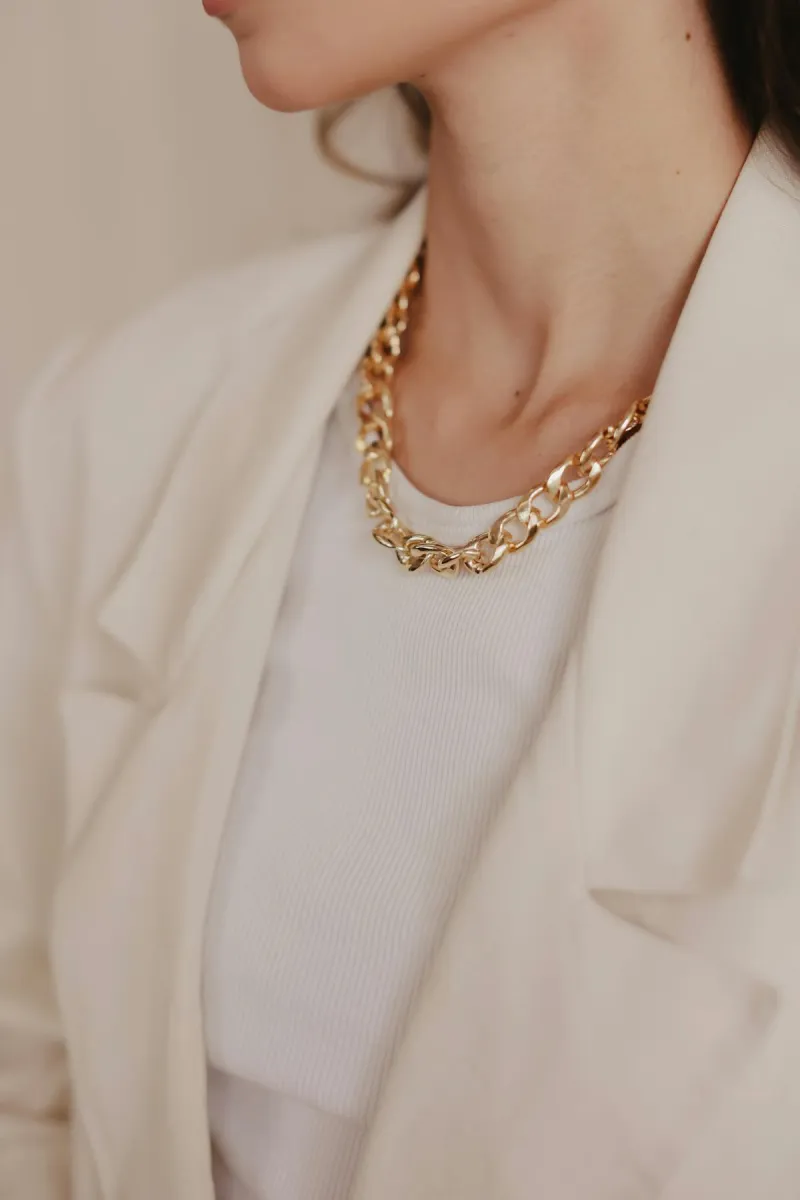
A pendant necklace is one of the most personal and expressive forms of jewellery. Whether it holds a sparkling diamond, a meaningful symbol, or a treasured photograph inside a locket, the pendant serves as a focal point that reveals something about its wearer. Pendant necklaces are also among the most gifted jewellery items, suitable for birthdays, anniversaries, graduations, and holidays. This guide covers every aspect of pendant necklaces — from design types and bail styles to gemstone selection and chain pairing — so you can choose or give the perfect one.
What Is a Pendant Necklace?
A pendant necklace consists of two components: the pendant (the decorative element) and the chain from which it hangs. The pendant connects to the chain via a bail — a small loop or tube at the top of the pendant. Unlike chokers or plain chain necklaces, pendant necklaces draw the eye to a single central element, making them inherently versatile and personal.
Popular Pendant Styles
Solitaire Pendant
The solitaire pendant features a single gemstone — most often a round brilliant diamond — suspended from a simple bail. It is the pendant equivalent of a solitaire engagement ring: timeless, elegant, and universally flattering. Prong, bezel, and basket settings are common.
Halo Pendant
A centre stone surrounded by a ring of smaller diamonds creates a halo effect, making the pendant appear larger and more luminous. Halo pendants offer excellent visual impact at a moderate price point.
Heart Pendant
Heart-shaped pendants are one of the most popular romantic gifts. They come in open-heart, solid-heart, and heart-stone designs, crafted from precious metals and often accented with diamonds or gemstones.
Cross Pendant
Cross pendants carry deep religious and cultural significance. They range from simple, unadorned designs to elaborate diamond-encrusted versions. Plain gold or silver crosses are widely worn as everyday faith symbols.
Initial and Nameplate Pendants
Personalised pendants featuring initials, names, or monograms have become enormously popular. They can be minimalist single-letter designs in delicate script or bold, block-letter nameplates. These make thoughtful gifts that celebrate individual identity.
Lockets
Lockets are hinged pendants that open to reveal a photograph or small keepsake inside. Their sentimental value is unmatched, and modern lockets come in oval, round, heart, and rectangular shapes, often engraved or set with stones.
Symbolic Pendants
Infinity symbols, evil eyes, tree of life motifs, compass roses, and zodiac signs are examples of symbolic pendants that carry personal meaning beyond their visual appeal.
Bail Types
The bail is the connector between the pendant and the chain. Different bail styles affect how the pendant hangs and moves:
| Bail Type | Description | Movement | Best For |
|---|---|---|---|
| Standard Loop Bail | A simple metal loop soldered to the top of the pendant | Free swinging | Most pendant styles |
| Rabbit Ear Bail | Two metal prongs that pinch the chain above the stone | Slides along chain | Solitaire gemstones |
| Hidden Bail | Concealed behind the pendant for a seamless look | Minimal | Clean, modern designs |
| Enhancer Bail | A hinged clip that opens to attach to various chains | Free swinging | Interchangeable styling |
| Tube Bail | A cylindrical tube through which the chain passes | Slides along chain | Minimalist pendants |
Choosing the Right Gemstone
The gemstone is the heart of most pendant necklaces. Consider these factors:
- Diamonds: Brilliant, durable, and universally loved. Round brilliant and pear cuts are the most popular for pendants. Focus on cut quality for maximum sparkle.
- Sapphires: Available in virtually every colour. Blue sapphires are classic, while pink and yellow varieties add a unique touch.
- Emeralds: Lush green emeralds make striking pendants. Bezel settings offer added protection for this somewhat softer stone.
- Birthstones: A birthstone pendant personalises the gift and connects it to the recipient's identity.
- Pearls: A single pearl pendant is one of the most elegant and timeless choices, suitable for all ages.
Pairing Pendants with Chains
The chain should complement the pendant in both proportion and style:
- Delicate pendants: Pair with fine cable or Singapore chains (0.5–1 mm width).
- Medium pendants: Box and cable chains in 1–1.5 mm width provide adequate support without overwhelming the pendant.
- Heavy pendants: Rope, curb, or thick box chains (1.5 mm+) are needed to support the weight safely.
- Match the metal: Ensure the chain and pendant are the same metal type to prevent wear from dissimilar alloys rubbing together.
Chain Length for Pendants
The chain length determines where the pendant rests on the body:
- 40–45 cm (16–18"): Pendant sits at or just below the collarbone. The most popular and versatile length.
- 50–55 cm (20–22"): Pendant falls on the upper chest. Works well with higher necklines.
- 60+ cm (24"+): Pendant reaches the mid-chest or lower. Creates an elongating effect and suits layering.
See our necklace length guide for a comprehensive chart.
Pendant Necklaces as Gifts
Pendant necklaces are among the most popular jewellery gifts because they suit every age, personal style, and budget:
- For her: Diamond solitaire, birthstone, or initial pendant.
- For him: Dog-tag style, compass, or understated cross pendant.
- For teens: Initial, zodiac, or friendship-symbol pendant.
- For mothers: Locket with family photos, or a pendant with children's birthstones.
Browse our gift guides for occasion-specific recommendations.
Caring for Pendant Necklaces
- Clean the pendant and chain separately if possible, using warm soapy water and a soft brush.
- Inspect the bail regularly to ensure it remains securely attached to both the pendant and the chain.
- Store pendant necklaces hanging or laid flat to prevent chain tangling.
- Remove before showering, swimming, or exercising.
- Have gemstone settings checked annually by a professional jeweller.
Visit our jewellery care section for detailed guidance.
Frequently Asked Questions
What size diamond is ideal for a pendant?
A 0.25 to 0.50 carat diamond offers a subtle, elegant look for everyday wear. For a more prominent presence, 0.75 to 1.00 carat provides noticeable sparkle without being ostentatious.
Can I put any pendant on any chain?
The bail must be large enough to fit over the chain's links or clasp. Check compatibility before purchasing. Some pendants come with a fixed chain, while others are sold separately.
How do I layer a pendant necklace?
Wear the pendant at one length and add plain chains at different lengths above and below. Keep the pendant as the focal point and use thinner chains as complementary layers.
Are pendant necklaces suitable for men?
Yes. Dog-tag pendants, simple crosses, circular medallions, and symbolic designs are popular men's pendant choices. Heavier chains in silver, white gold, or stainless steel suit masculine aesthetics.
What is the difference between a pendant and a charm?
A pendant is designed to hang from a necklace chain, while a charm is typically attached to a bracelet. However, charms can be worn as pendants with the addition of a bail or jump ring.