Charm Bracelets: Building a Personal Story on Your Wrist
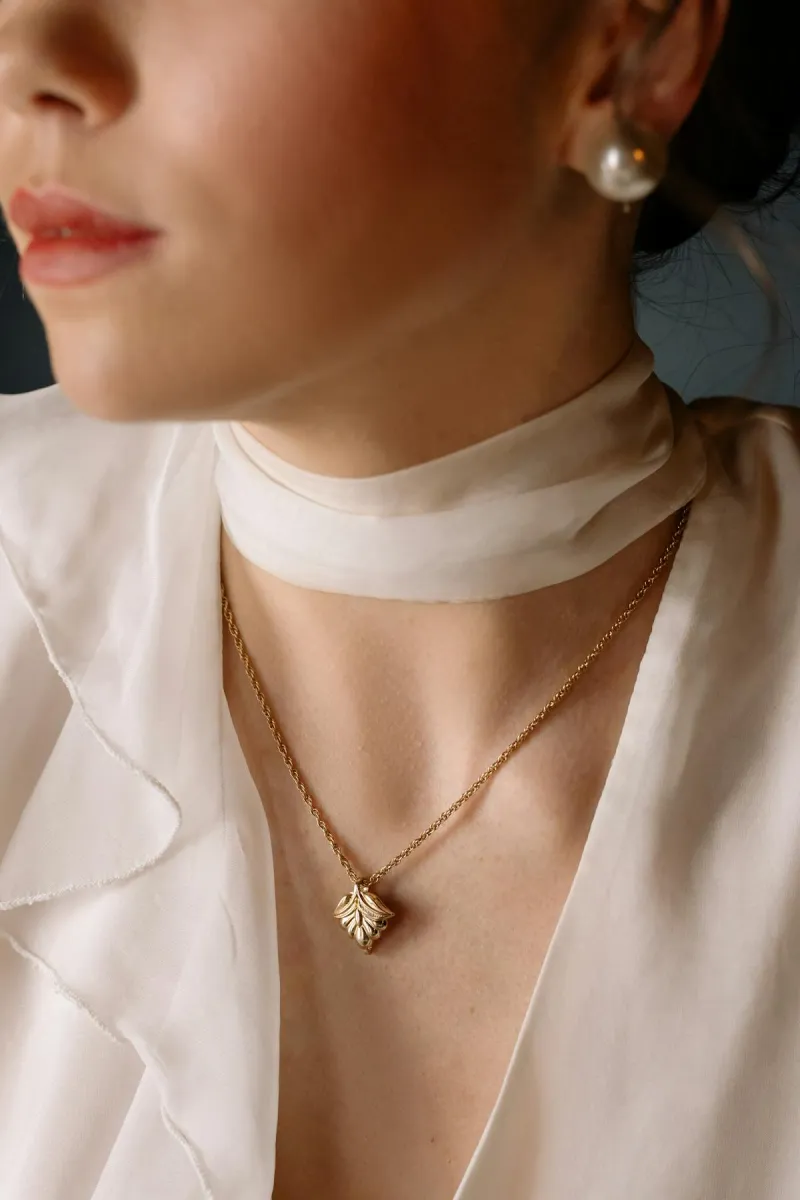
A charm bracelet is more than a piece of jewellery — it is a wearable autobiography. Each charm represents a memory, milestone, passion, or relationship, making the bracelet grow in meaning and beauty over time. From ancient amulets to modern designer collections, charm bracelets have held a special place in jewellery culture for thousands of years. This guide explores their rich history, walks you through building your own collection, and provides practical advice on metals, sizing, and care.
The History of Charm Bracelets
Ancient Amulets
The earliest charm bracelets date back to the Neolithic era, when people wore small carved objects on straps as spiritual protection. Ancient Egyptians wore charms both in life and death — charm-adorned bracelets were buried with the deceased to help them gain favour in the afterlife. Roman soldiers carried small charms as identification and good-luck tokens.
Medieval and Renaissance Period
During the Middle Ages, charms evolved from purely spiritual objects into indicators of family allegiance, trade, and political affiliation. Knights wore charm-like emblems on chains, and merchants used miniature tools as trade symbols. By the Renaissance, charm jewellery had become a fashion accessory among the European elite.
Victorian Era
Queen Victoria popularised charm bracelets as fashion statements. She wore them adorned with lockets containing photographs of loved ones, small portraits, and gemstones with personal significance. The trend swept through European and American high society.
20th Century Boom
Charm bracelets reached peak popularity in the 1950s and 1960s, when American teenagers and young women collected charms to mark birthdays, holidays, travel destinations, and personal achievements. The tradition experienced a major revival in the early 2000s with brands offering modular bead-and-charm systems that allowed extensive customisation.
Types of Charm Bracelets
Traditional Link Charm Bracelets
The classic design features a chain of open links to which individual charms are attached via jump rings or lobster clasps. This style allows maximum flexibility in charm selection and spacing. Popular chain types include cable, curb, and toggle link.
Italian Charm Bracelets
Italian charm bracelets consist of flat, modular links that connect side by side to form a flat band. Each link features a different design on its face. Charms are swapped by removing and replacing individual links.
Bead-and-Charm Systems
Popularised by major jewellery brands, these systems use a snake chain or barrel chain onto which beads, clips, and dangles thread. Spacers and stoppers keep charms in designated sections of the bracelet.
Bangle Charm Bracelets
A rigid bangle bracelet with charms hanging from it. These tend to hold fewer charms than link bracelets but offer a structured, polished look.
Charm Types and Categories
| Category | Examples | Meaning |
|---|---|---|
| Milestone | Graduation cap, baby bootie, wedding bells | Marks life achievements |
| Travel | Eiffel Tower, suitcase, passport, globe | Commemorates destinations visited |
| Hobby / Interest | Camera, paintbrush, musical note, book | Celebrates passions and hobbies |
| Birthstone | Gemstone-set charms for each month | Personal identity, family connections |
| Initials / Letters | Alphabet letters, monogram discs | Names of loved ones |
| Symbolic | Heart, infinity, tree of life, angel wings | Love, eternity, growth, protection |
| Animal | Dog, cat, butterfly, elephant | Pet tribute, spirit animals |
Choosing the Right Bracelet Base
Metal Options
- Sterling Silver: The most popular choice for charm bracelets. Affordable, easy to work with, and widely available. Requires occasional polishing to prevent tarnish.
- Yellow Gold: Classic and warm. 9K and 14K options are sturdy enough for a charm-laden bracelet. Visit our metals guide for karat comparisons.
- Rose Gold: Romantic and contemporary. Pairs beautifully with pink-toned charms.
- White Gold / Platinum: Bright and modern. Platinum is the most durable option but significantly heavier.
- Mixed Metals: Some modern systems intentionally combine silver and gold charms on one bracelet for a fashion-forward look.
Chain Weight and Width
The chain must be strong enough to support the combined weight of your charms. A bracelet that starts with two or three charms may eventually carry ten or more. Choose a chain width of at least 4–5 mm for a traditional link bracelet that will hold many charms without sagging or stretching.
Building Your Collection
One of the joys of a charm bracelet is that it grows over time. Here are tips for curating a meaningful collection:
- Start with a quality base: Invest in a well-made bracelet and clasp. The base chain sets the foundation for everything that follows.
- Add charms intentionally: Resist the urge to fill the bracelet quickly. Let each charm represent a significant moment or person.
- Establish a theme: Some collectors focus on travel, others on family milestones, and others on a mix. A loose theme creates visual coherence.
- Space charms evenly: Distribute charms around the bracelet so it does not become bottom-heavy.
- Include spacer beads: Spacer beads or clips keep charms from clustering together and add visual rhythm.
- Gift opportunities: Charm bracelets make excellent ongoing gifts — give the bracelet first, then add charms for birthdays and holidays. See our gift guides for inspiration.
Sizing a Charm Bracelet
A charm bracelet should fit more loosely than a tennis bracelet because the charms add weight and bulk:
- Measure your wrist circumference with a soft tape measure.
- Add 2–3 cm (about 1 inch) for a comfortable fit that allows the bracelet to move and the charms to hang freely.
- As you add more charms, the bracelet may feel tighter due to the added volume. Consider having a jeweller add extra links if needed.
Caring for Your Charm Bracelet
- Clean silver charm bracelets with a silver polishing cloth or a gentle silver dip solution.
- Clean gold charm bracelets with warm soapy water and a soft brush.
- Pay extra attention to small crevices on charms where dirt accumulates.
- Check jump rings and lobster clasps regularly to ensure charms are securely attached.
- Remove before swimming, exercising, or using cleaning products.
- Store flat in a soft-lined box to prevent charms from scratching each other.
Visit our jewellery care section for metal-specific cleaning instructions.
Styling Charm Bracelets
- Wear a charm bracelet solo to let the charms tell their story without competition.
- For a more curated look, pair with one thin bangle or a simple chain bracelet on the same wrist.
- Balance a busy charm bracelet with minimal jewellery elsewhere — simple stud earrings and a delicate necklace work well.
- Charm bracelets suit casual and smart-casual settings particularly well. For formal events, opt for finer chains with fewer, more elegant charms.
Frequently Asked Questions
How many charms should a bracelet hold?
Most standard-length charm bracelets comfortably hold 15–25 charms, depending on charm size and chain style. Overfilling can make the bracelet heavy and unwieldy.
Can I mix silver and gold charms?
Yes. Mixed-metal charm bracelets are a popular contemporary choice. Some brands specifically design collections to blend silver and gold elements harmoniously.
Are charm bracelets suitable for children?
Absolutely. Smaller, lighter charm bracelets with secure clasps make wonderful gifts for children. They teach the value of collecting meaningful objects and can be upgraded to adult sizes later.
Can I add charms from different brands to one bracelet?
Traditional link bracelets accept charms from virtually any brand as long as the jump ring fits the chain link. Bead-and-charm systems may use proprietary threading, limiting compatibility.
How do I prevent charms from falling off?
Use split rings (similar to tiny key rings) instead of open jump rings for added security. For bead systems, use clips and stoppers to keep beads in position. Inspect all attachment points regularly.