Stud Earrings: Styles, Settings, and Sizing
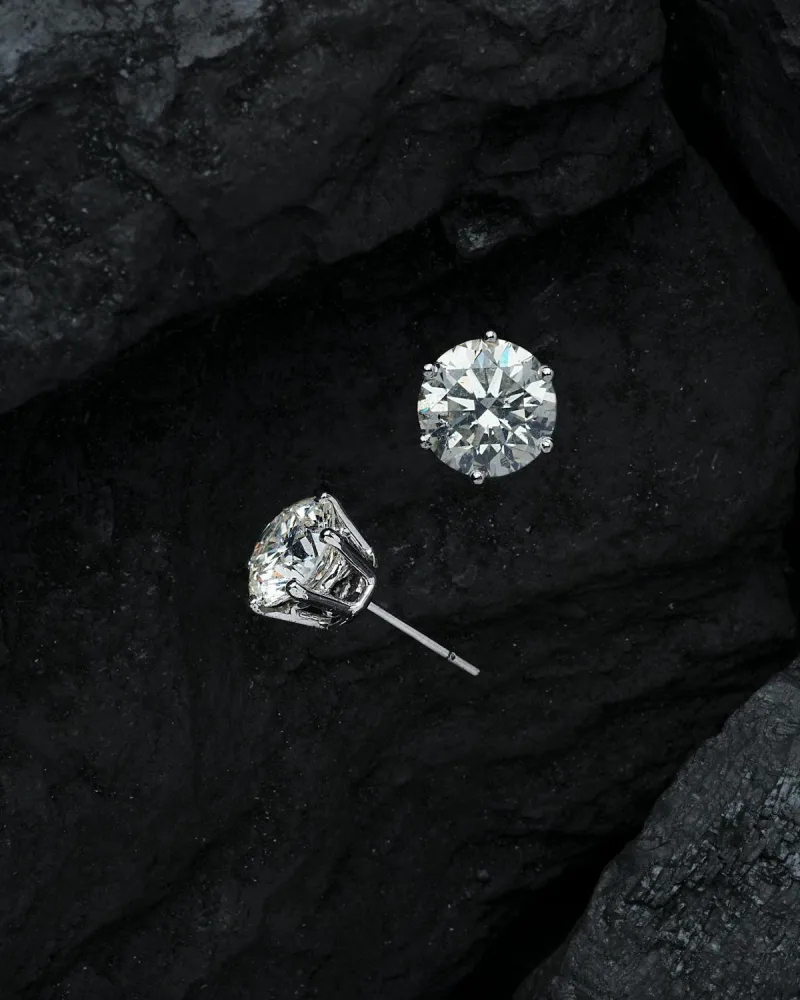
Stud earrings are the foundation of every jewellery collection. Simple, elegant, and endlessly versatile, they sit neatly on the earlobe without dangling or swaying, making them appropriate for virtually any setting — from a morning jog to an evening gala. Whether set with a brilliant diamond, a colourful gemstone, or a lustrous pearl, stud earrings deliver understated beauty that never goes out of style. This guide explores every aspect of stud earrings to help you find your perfect pair.
What Are Stud Earrings?
A stud earring consists of a decorative element — a gemstone, metal shape, or pearl — mounted on a thin post that passes through the earlobe piercing. A clutch or backing on the other side of the lobe secures the earring in place. Unlike hoops or drops, studs have no moving parts, which makes them the most secure and low-maintenance earring type.
Popular Stud Earring Types
Diamond Studs
Diamond stud earrings are the most iconic variety. A matched pair of round brilliant diamonds set in white gold or platinum is the classic choice, but fancy shapes such as princess, cushion, and oval are also popular. When buying diamond studs, focus on cut quality above all else — a well-cut diamond will exhibit maximum fire and brilliance. Total carat weight (TCW) is quoted for the pair; a 1.00 TCW pair means each stone is approximately 0.50 carats.
Gemstone Studs
Coloured gemstone studs add personality and vibrancy. Sapphire studs offer classic blue elegance, emerald studs deliver rich green depth, and ruby studs provide fiery warmth. Birthstone studs are a popular personalised gift option. When selecting gemstone studs, check that the stones are well-matched in colour, size, and clarity.
Pearl Studs
Pearl stud earrings are timeless and sophisticated. Akoya pearls are prized for their mirror-like lustre, while freshwater pearls offer excellent value. South Sea and Tahitian pearls provide larger sizes and exotic colours. Pearls are measured in millimetres; 6–7.5 mm is the most versatile size range for studs.
Metal-Only Studs
Studs do not always require a stone. Solid gold or platinum studs in geometric shapes — balls, discs, knots, bars — offer a minimalist aesthetic that pairs with everything.
Stud Earring Settings
| Setting | How It Works | Pros | Cons |
|---|---|---|---|
| Four-Prong | Four metal claws grip the stone | Maximum light entry, classic look | Prongs can catch on hair/fabric |
| Three-Prong (Martini) | Three claws form a V-shape | Elegant, allows more light | Less secure than four prongs |
| Bezel | Metal rim fully surrounds the stone | Very secure, snag-free, modern | Slightly reduces brilliance |
| Halo | Centre stone surrounded by smaller diamonds | Maximises visual size and sparkle | Higher cost, more delicate |
| Basket | Four prongs connected by a metal basket beneath the stone | Secure, elegant profile | Slightly bulkier from the side |
| Cup (Pearl) | Pearl sits in a small metal cup, secured with adhesive | Streamlined look | Adhesive can weaken over time |
Choosing the Right Size
The ideal stud size depends on your earlobe size, personal style, and the occasion:
- Subtle everyday wear: 0.25–0.50 TCW for diamonds; 4–5 mm for pearls and gemstones.
- Noticeable but not overwhelming: 0.50–1.00 TCW for diamonds; 6–7 mm for pearls.
- Statement studs: 1.00–2.00 TCW for diamonds; 8 mm+ for pearls. Best for evening events and formal wear.
Keep in mind that different gemstone shapes have different face-up sizes at the same carat weight. An oval diamond will appear larger than a round diamond of equal weight, for example.
Metal Options for Stud Earrings
The metal affects both aesthetics and wearability:
- Platinum: Premium, hypoallergenic, and ideal for sensitive ears. Provides a bright white backdrop for diamonds.
- White Gold: Similar look to platinum at a lower price. Rhodium plating keeps it bright.
- Yellow Gold: Warm tones complement pearls, sapphires, and warmer skin tones.
- Rose Gold: Romantic and trendy. Pairs beautifully with morganite and pink gemstones.
- Sterling Silver: Affordable and versatile, though less durable for fine gemstones.
See our metals guide for a detailed comparison.
Backings and Security
The backing is critical — losing a stud earring is one of the most common jewellery mishaps.
- Push-Back (Butterfly): The standard backing. Adequate for lightweight studs but can loosen over time.
- Screw-Back: A threaded post ensures the earring cannot fall off accidentally. Highly recommended for valuable diamond studs.
- La Pousette: A spring-loaded, self-locking mechanism that combines convenience with security. Considered the gold standard for fine studs.
- Silicone Disc: An inexpensive upgrade that grips the post more firmly than metal butterfly backs.
Stud Earrings for Every Occasion
- Workplace: Small to medium diamond or pearl studs project professionalism and polish.
- Casual daytime: Metal-only studs, colourful gemstones, or freshwater pearls keep the look relaxed.
- Evening events: Larger diamond studs or halo-set stones add glamour without the movement of drop earrings.
- Weddings: Pearl or diamond studs complement bridal hairstyles and gowns without competing for attention.
For outfit-specific styling tips, visit our jewellery styles section.
Caring for Stud Earrings
- Clean diamond and gemstone studs monthly using warm soapy water and a soft brush.
- Wipe pearl studs with a damp cloth after each wear — never soak pearls in water.
- Store studs in a dedicated compartment or earring holder to prevent loss and scratching.
- Check prong settings every six months to ensure stones remain secure.
- Remove studs before applying hairspray, perfume, or styling products.
Visit our jewellery care hub for detailed cleaning guides.
Frequently Asked Questions
What is the best diamond quality for stud earrings?
Focus on cut quality (Very Good to Excellent). For colour, G–H grades face up white in most settings. Clarity of SI1–SI2 is typically eye-clean. These mid-range grades offer the best value.
Can I sleep in stud earrings?
Yes, studs with smooth profiles and secure backings (screw-back or La Pousette) can generally be worn overnight. Avoid studs with protruding prongs that could press into the skin.
How do I prevent my studs from drooping?
Larger studs can tip forward due to weight. Use a disc-style or La Pousette backing that supports the earring from below, or choose a slightly thicker post that fits more snugly in the piercing.
Are lab-grown diamond studs a good choice?
Absolutely. Lab-grown diamonds are identical in appearance and durability to mined diamonds and typically cost 30–50% less, allowing you to purchase larger or higher-quality stones.
What size pearl studs should I buy as a gift?
6.5–7 mm Akoya pearls are the most universally flattering size and represent the sweet spot between visibility and everyday wearability.