Vintage Jewellery: Timeless Era-Inspired Designs
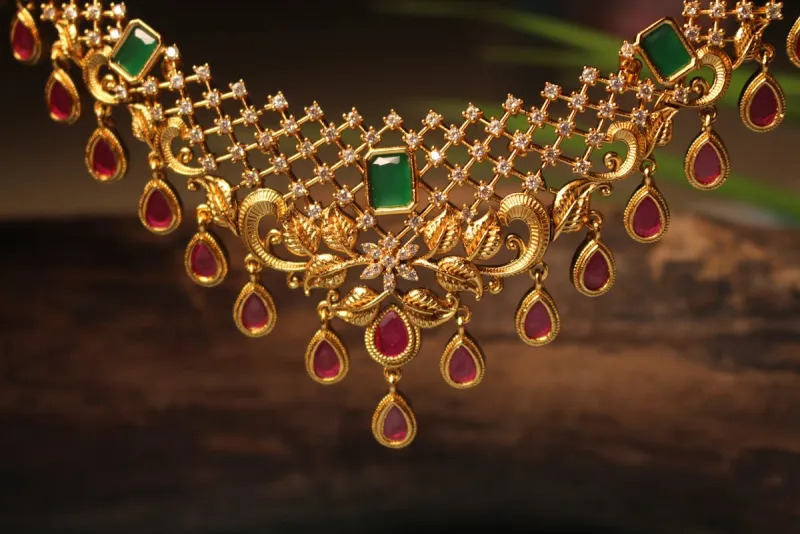
Vintage jewellery carries with it the romance of a bygone era. Defined as jewellery created between approximately 20 and 100 years ago, vintage pieces span some of the most creative and innovative periods in jewellery design history. From the geometric boldness of Art Deco to the sculptural experimentation of the Mid-Century Modern movement, vintage jewellery offers a depth of character and craftsmanship that contemporary mass production rarely matches.
For collectors and style enthusiasts alike, vintage jewellery represents both an aesthetic choice and a sustainable one. By giving new life to existing pieces, you participate in a circular economy that values quality over disposability. This guide will walk you through the major vintage eras, help you identify authentic pieces, and show you how to incorporate vintage jewellery into a modern wardrobe.
Antique Jewellery: Georgian, Victorian and Edwardian Periods
While vintage jewellery spans the more recent twentieth century, antique jewellery (pieces over 100 years old) represents some of the most extraordinary examples of craftsmanship ever created. Understanding these earlier periods provides essential context for appreciating vintage design.
Georgian Era (1714–1837)
Georgian jewellery is among the rarest and most prized. Every piece was handmade, as machine production had not yet been developed. Metalwork was typically executed in high-karat gold (18k to 22k) or silver, with stones set in closed-back settings that used foil backing to enhance brilliance. Rose-cut and table-cut diamonds were prevalent, along with garnets, topazes, and paste stones. Design motifs drew from nature, classical antiquity, and sentimental themes including mourning jewellery.
Victorian Era (1837–1901)
Queen Victoria's long reign encompassed three distinct sub-periods. The Early Victorian / Romantic period (1837–1860) featured sentimental designs with hearts, flowers, and serpent motifs in richly coloured gold, including acrostic jewellery that used the first letter of each gemstone to spell words. The Mid-Victorian / Grand period (1860–1885), following Prince Albert's death, saw mourning jewellery become fashionable, with dark materials such as jet, onyx, and black enamel. The Late Victorian / Aesthetic period (1885–1901) brought lighter, more playful designs with star and crescent motifs, opals, moonstones, and diamonds in silver settings.
Edwardian Era (1901–1915)
The Edwardian period is often considered the most technically refined era in jewellery history. The widespread adoption of platinum allowed jewellers to create incredibly delicate, lace-like settings. Milgrain edging, knife-edge settings, and garland motifs defined the aesthetic. Diamonds and pearls were the gemstones of choice, set in designs inspired by French royal courts.
Art Nouveau (1890–1910)
Overlapping with the Late Victorian and Edwardian periods, Art Nouveau featured flowing lines, feminine figures, and unconventional materials such as horn, enamel, and semi-precious stones. Rene Lalique was the movement's most celebrated jeweller.
Antique vs Vintage vs Antique-Style
- Antique: Genuinely over 100 years old. Authenticated through construction methods, hallmarks, and provenance.
- Vintage: Between 20 and 100 years old, spanning the eras described below.
- Antique-style or reproduction: Modern pieces made to resemble antique designs. These should be priced accordingly and never misrepresented as genuine antiques.
Understanding Vintage Jewellery Eras
Art Deco (1920s–1930s)
The Art Deco period produced some of the most recognisable and collectible jewellery in history. Inspired by Cubism, Futurism, and ancient Egyptian art, Art Deco pieces feature bold geometric patterns, symmetrical layouts, and striking colour contrasts. Platinum was the metal of choice, often set with diamonds alongside vivid sapphires, emeralds, and rubies. Calibre-cut stones, channel settings, and intricate filigree work are hallmarks of this era.
Retro Period (1940s–1950s)
World War II dramatically influenced jewellery design. With platinum reserved for military use, jewellers turned to yellow and rose gold, creating bold, sculptural pieces with a distinctly glamorous feel. Retro jewellery features oversized cocktail rings, chunky bracelets, and dramatic brooches. Semi-precious stones such as citrine, aquamarine, and amethyst became popular as precious stone supplies were disrupted.
Mid-Century Modern (1950s–1970s)
The post-war era brought a spirit of optimism and experimentation. Mid-Century Modern jewellery embraced organic forms, abstract shapes, and textured metalwork. Scandinavian designers gained prominence, while Italian goldsmiths pushed the boundaries of what gold jewellery could look like. This period also saw the rise of costume jewellery as a legitimate fashion accessory.
Disco and Power Dressing (1970s–1990s)
The later vintage decades brought oversized gold chains, statement earrings, and bold use of coloured gemstones. Power dressing in the 1980s demanded jewellery that commanded attention, resulting in chunky gold pieces, pave-set diamonds, and dramatic shoulder-duster earrings.
| Era | Period | Key Materials | Signature Elements | Collectibility |
|---|---|---|---|---|
| Art Deco | 1920s–1930s | Platinum, diamonds, sapphires | Geometric patterns, filigree | Very high |
| Retro | 1940s–1950s | Yellow/rose gold, citrine | Bold sculptural forms | High |
| Mid-Century | 1950s–1970s | Gold, silver, enamel | Abstract, organic shapes | Moderate–high |
| Late Vintage | 1970s–1990s | Gold, coloured gemstones | Oversized, statement pieces | Moderate |
How to Identify Authentic Vintage Jewellery
Distinguishing genuine vintage pieces from modern reproductions requires a combination of knowledge and careful observation. Here are the key indicators to examine:
- Hallmarks and maker's marks: Most quality vintage jewellery carries stamps indicating metal purity, country of origin, and the maker. Research these marks to verify age and authenticity.
- Construction techniques: Vintage pieces often show hand-finishing, slightly irregular settings, and construction methods that differ from modern machine production.
- Clasp styles: Clasp designs evolved over the decades. C-clasps and trombone clasps indicate earlier pieces, while lobster clasps suggest more recent manufacture.
- Wear patterns: Authentic vintage jewellery shows natural wear consistent with its age, including softened edges, minor surface scratches, and patina on silver pieces.
- Stone cuts: Diamond cutting techniques changed dramatically over the twentieth century. Old European cuts and transitional cuts suggest pre-1940s origin, while modern brilliant cuts appeared after the 1950s.
Buying Vintage Jewellery: What to Consider
Condition Assessment
Examine every piece carefully before purchasing. Check for loose stones, worn prongs, thin spots in metal, and damaged clasps. Minor wear is expected and adds character, but structural issues may require costly repair. Our buying guides offer detailed checklists for evaluating pre-owned jewellery.
Provenance and Documentation
Pieces with documented history, original boxes, or certificates of authenticity command premium prices. Provenance also provides peace of mind regarding authenticity and may enhance future resale value.
Where to Shop
Reputable sources for vintage jewellery include established antique dealers, auction houses, estate sales, and specialist online platforms. Be cautious with general marketplace listings where authentication may be unreliable.
Styling Vintage Jewellery Today
Vintage with Contemporary Fashion
The most effective way to wear vintage jewellery is to pair it with modern clothing. An Art Deco brooch pinned to a minimalist blazer, or a Retro cocktail ring worn with a simple black dress, creates a sophisticated contrast that feels intentional rather than costumey.
Mixing Eras
Do not feel restricted to a single era. Mixing a 1920s pendant with 1970s hoop earrings can produce a dynamic, eclectic look. The key is maintaining a unifying element, whether that is metal colour, overall scale, or a shared colour palette.
Vintage as a Statement Piece
Let one vintage piece serve as your focal point and keep everything else understated. A dramatic vintage brooch or a bold cocktail ring needs breathing room to be appreciated fully. Pair it with minimalist jewellery for the rest of your look.
Caring for Vintage Jewellery
Vintage pieces require special care due to their age and potentially fragile condition:
- Store each piece individually in soft pouches to prevent scratching.
- Avoid ultrasonic cleaners, which can loosen old settings and damage antique stones.
- Clean gently with a soft brush and lukewarm soapy water.
- Have prongs and settings checked annually by a jeweller experienced with vintage pieces.
- Keep away from perfume, hairspray, and household chemicals that can damage patina and gemstones.
For comprehensive maintenance advice, visit our jewellery care guide.
Vintage Jewellery as an Investment
Quality vintage jewellery can perform well in specialist resale markets, particularly pieces from the Art Deco period, signed pieces by renowned makers, and items featuring exceptional gemstones. However, not all vintage jewellery is a financial investment. Focus on pieces that combine beauty, quality craftsmanship, and historical significance for the best long-term value.
Understanding the difference between vintage and antique jewellery is important for both collectors and investors, as antique pieces (over 100 years old) often carry additional premium due to their rarity and historical importance. See our antique jewellery section above for details on Georgian, Victorian, and Edwardian periods.
Frequently Asked Questions
What is the difference between vintage and antique jewellery?
Vintage jewellery is generally 20 to 100 years old, while antique jewellery is over 100 years old. The distinction matters for collectors, insurance, and valuation purposes. See our antique jewellery section above for details on Georgian, Victorian, and Edwardian periods.
Is vintage jewellery more valuable than new jewellery?
It depends on the piece. Exceptional vintage jewellery from desirable eras, particularly signed or historically significant pieces, can be worth considerably more than comparable new pieces. However, ordinary vintage jewellery may not command a premium over its material value.
How can I tell if a vintage piece is genuine?
Examine hallmarks, construction techniques, clasp styles, and wear patterns. When in doubt, consult a professional appraiser who specialises in vintage jewellery.
Can vintage jewellery be resized or repaired?
Most vintage jewellery can be repaired or adjusted, but it is crucial to work with a jeweller experienced in period pieces. Improper repair can damage the piece and reduce its value.
Where is the best place to buy vintage jewellery?
Reputable antique dealers, established auction houses, and specialist vintage jewellery platforms offer strong curation and better odds of accurate representation.