Handmade Jewellery: Artisan & Handcrafted Pieces
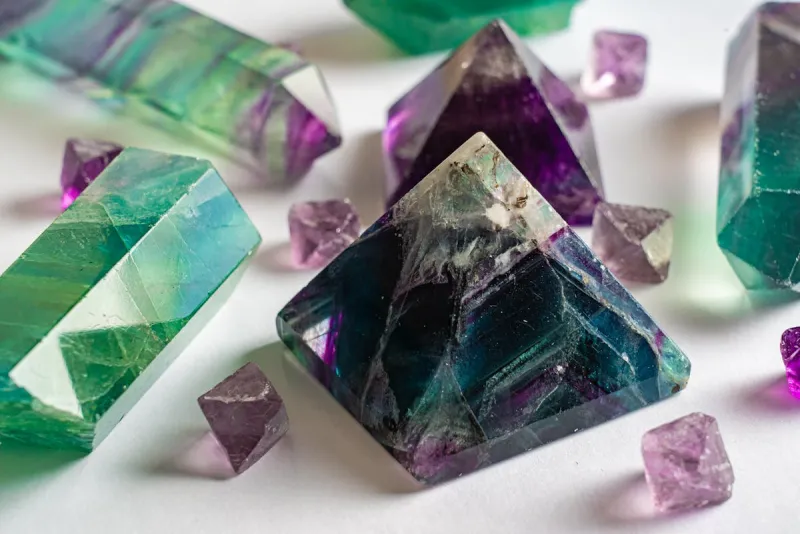
In an age of mass production and algorithmic design, handmade jewellery stands as a powerful counterpoint. Each piece crafted by human hands carries the imprint of its maker: the deliberate hammer marks on a forged silver cuff, the organic irregularity of a hand-set gemstone, the subtle warmth of metal shaped by flame and intention. Handmade jewellery is not simply a product; it is the physical expression of skill, creativity, and dedication passed down through generations of craftspeople.
The handmade jewellery movement has grown enormously in recent years, driven by consumers who value authenticity, sustainability, and personal connection. Whether you are a first-time buyer exploring artisan markets or a seasoned collector commissioning bespoke pieces, understanding the techniques, materials, and values behind handmade jewellery will enrich your appreciation and help you make informed choices.
What Qualifies as Handmade Jewellery?
The term "handmade" can mean different things in different contexts. In the jewellery world, genuinely handmade pieces are those where the primary forming, shaping, and finishing processes are performed by a skilled artisan using hand tools and traditional techniques. This includes:
- Hand forging: Shaping metal by hammering on an anvil or mandrel
- Hand fabrication: Cutting, filing, soldering, and assembling metal components
- Hand setting: Securing gemstones into settings using hand tools rather than pneumatic or automated setters
- Hand engraving: Cutting decorative patterns into metal using gravers
- Hand finishing: Sanding, polishing, and texturing by hand to achieve the final surface
It is worth noting that many artisan jewellers use some modern tools, such as laser welders or CAD for design visualisation, while still performing the essential craft work by hand. The distinction lies in whether a skilled maker is directly shaping the piece rather than operating a machine that does so autonomously.
Traditional Handmaking Techniques
Lost-Wax Casting
One of the oldest jewellery-making techniques, dating back over 5,000 years. The jeweller carves or sculpts a model in wax, encases it in a plaster-like investment, then burns out the wax and pours molten precious metal into the resulting cavity. Each wax can produce only one casting, ensuring uniqueness.
Metalsmithing and Forging
Metalsmithing involves cutting, bending, hammering, and soldering sheet metal and wire to create three-dimensional forms. This technique gives the jeweller direct, tactile control over the final shape. Forged pieces often display a distinctive surface quality that reflects the hammering process.
Wire Wrapping and Weaving
Using wire as both a structural and decorative element, artisans create intricate settings, chains, and ornamental patterns without soldering. Wire wrapping is particularly popular for securing cabochon gemstones and creating organic, flowing designs.
Granulation
An ancient technique where tiny spheres of metal are fused to a surface to create texture and pattern. Etruscan goldsmiths perfected this technique around 700 BCE, and contemporary artisans continue to practice it today.
Enamelling
Applying powdered glass to metal surfaces and fusing it with heat to create vibrant, durable colour. Techniques include cloisonne (colour contained within wire cells), champlevee (colour filling carved recesses), and plique-a-jour (translucent enamel without a metal backing).
| Technique | Skill Level Required | Materials | Distinctive Qualities | Common Products |
|---|---|---|---|---|
| Lost-wax casting | Intermediate–advanced | Gold, silver, bronze | Sculptural, organic forms | Rings, pendants, figurative pieces |
| Metalsmithing | Intermediate–advanced | Sheet metal, wire | Crisp edges, hammer textures | Cuffs, bangles, earrings |
| Wire wrapping | Beginner–intermediate | Wire, gemstones | Organic, flowing designs | Pendants, earrings, rings |
| Granulation | Advanced | Gold, silver granules | Textured, ancient aesthetic | Earrings, brooches, cuffs |
| Enamelling | Advanced | Metal, glass powder | Vibrant colour, painterly | Brooches, pendants, rings |
Why Choose Handmade Over Mass-Produced?
Uniqueness and Character
No two handmade pieces are identical. Even when an artisan creates multiple versions of a design, each one carries subtle variations that give it individual character. This uniqueness is particularly valued for engagement rings, wedding bands, and other personally significant jewellery types.
Quality of Craftsmanship
Handmade jewellery is typically produced to higher quality standards than mass-produced alternatives. Artisans take personal pride in each piece, devoting time and attention to details that factory production timelines do not permit.
Sustainability
Handmade jewellery generally has a smaller environmental footprint. Artisan workshops consume less energy than factories, often use recycled metals, and produce minimal waste. Many independent jewellers also source gemstones ethically and transparently.
Supporting Craftspeople
Purchasing handmade jewellery directly supports skilled artisans and helps preserve traditional craft knowledge that might otherwise be lost to industrialisation.
Personal Connection
Buying from an artisan often means interacting directly with the person who made your jewellery. This personal connection adds meaning to the piece and allows for customisation that would be impractical or impossible with mass-produced jewellery.
How to Evaluate Handmade Jewellery Quality
Not all handmade jewellery is created equal. Here are the quality indicators to assess:
- Finish quality: Surfaces should be smooth and consistent unless intentionally textured. Solder joints should be clean and invisible where they are meant to be hidden.
- Stone setting security: Gemstones should be firmly held with no movement or rattling. Prongs should be uniform and smoothly finished.
- Structural integrity: The piece should feel solid and well-proportioned. Thin, flimsy areas suggest cutting corners on materials.
- Clasp and closure function: Findings should operate smoothly and securely. Many artisan jewellers use handmade clasps that add to the piece's character.
- Metal purity marks: Even handmade pieces should be properly hallmarked or stamped with metal purity information.
Our buying guides offer additional frameworks for assessing jewellery quality before purchase.
Commissioning Custom Handmade Jewellery
One of the greatest advantages of handmade jewellery is the ability to commission bespoke pieces. When commissioning custom work, consider the following:
- Review the artisan's portfolio thoroughly to ensure their style and skill level match your vision.
- Communicate your ideas clearly, using reference images and written descriptions.
- Discuss budget openly. A good artisan will tell you honestly what is achievable at your price point.
- Agree on timelines, milestones, and approval stages in writing before work begins.
- Ask about materials sourcing, including the origin of diamonds and gemstones used.
Caring for Handmade Jewellery
Handmade pieces may have unique care needs depending on their construction and materials. Textured surfaces can trap dirt more readily than polished ones, so regular gentle cleaning is important. Enamel pieces should avoid sharp impacts that can chip the glass surface. Wire-wrapped settings should be checked periodically for loosened wraps. For comprehensive care advice, see our jewellery care guide.
Frequently Asked Questions
Is handmade jewellery more expensive than mass-produced?
Not necessarily. While handmade pieces command a premium for the artisan's time and skill, many independent makers offer beautiful work at accessible prices. Mass-produced luxury brand jewellery often costs more than comparable handmade pieces due to brand markup.
How long does it take to make handmade jewellery?
Simple pieces may take a few hours, while complex designs can require weeks or even months. Custom commissions typically take four to twelve weeks from design to completion.
Can handmade jewellery be resized?
Most handmade jewellery can be resized, though complex designs or techniques like enamelling may complicate the process. Consult the original maker if possible, as they will best understand the piece's construction.
How can I find reputable handmade jewellery artisans?
Look for artisans who display their work at established craft fairs, belong to professional guilds or associations, maintain detailed portfolios, and provide clear information about their materials and techniques.
Does handmade mean the jewellery has imperfections?
Skilled handmade jewellery should not have defects, but it may have intentional characteristics that differentiate it from machine-produced work, such as subtle hammer marks, organic forms, or hand-applied textures. These are features, not flaws.