Layering Necklaces: How to Layer Chains & Pendants Like a Pro
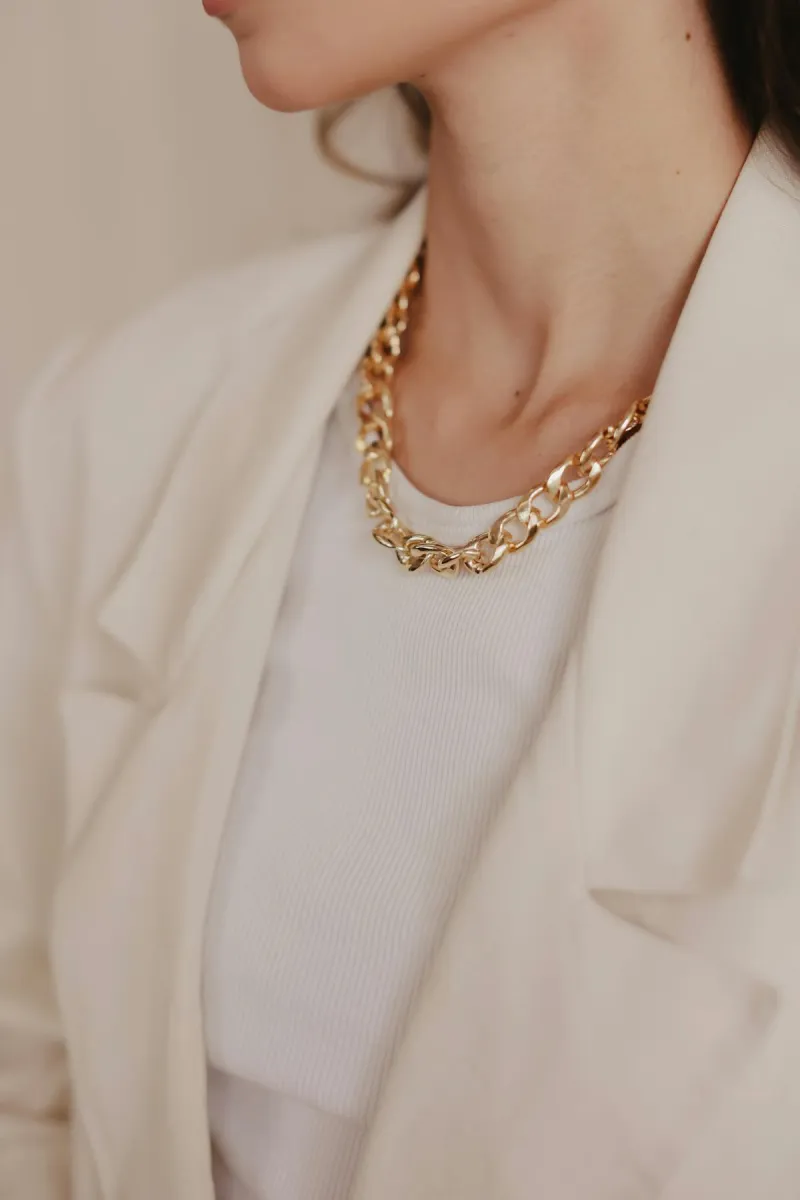
Necklace layering is the art of wearing multiple necklaces simultaneously to create a cohesive, curated look that is greater than the sum of its parts. What might appear effortlessly casual on a fashion editorial is actually a considered exercise in proportion, texture, and visual rhythm. When done well, layered necklaces frame the face, elongate the neckline, and add depth and personality to any outfit.
This styling technique has become one of the most enduring jewellery trends of the past decade, and in 2026 it shows no signs of slowing. From minimalist fine chains to bold mixed-metal combinations, necklace layering offers infinite creative possibilities. This guide covers everything you need to know: the fundamentals of chain lengths, how to mix textures and pendants, which metals work together, and how to layer for different necklines and occasions.
The Fundamentals of Necklace Layering
Understanding Chain Lengths
Successful layering starts with choosing necklaces of different lengths so each piece is visible and distinct. The standard necklace lengths and their names are essential knowledge for any layering enthusiast:
| Length Name | Approximate Length | Sits At | Best Necklines | Layering Role |
|---|---|---|---|---|
| Choker | 35–40 cm (14–16 in) | Base of throat | V-neck, off-shoulder | Top layer anchor |
| Princess | 43–48 cm (17–19 in) | Collarbone | Crew neck, scoop neck | Versatile middle layer |
| Matinee | 50–60 cm (20–24 in) | Above bust | Button-up, blazer | Primary pendant layer |
| Opera | 70–90 cm (28–36 in) | Bust or below | High neck, turtleneck | Long accent layer |
| Rope | 90+ cm (36+ in) | Below bust | Simple tops, dresses | Dramatic bottom layer |
The Rule of Odd Numbers
Most stylists recommend layering an odd number of necklaces, typically three or five. Odd numbers create visual asymmetry that the eye finds naturally appealing. However, this is a guideline rather than a strict rule: two or four necklaces can work beautifully when the proportions are right.
Spacing Between Layers
Aim for approximately 5 cm (2 inches) of space between each necklace layer. This prevents tangling, ensures each piece is visible, and creates a pleasing cascade effect. If necklaces sit too close together, they appear cluttered; too far apart, and they lose the layered look entirely.
Choosing Necklaces for Layering
Varying Chain Types
Mixing different chain styles adds visual texture and interest. Combine a delicate cable chain with a slightly chunkier curb chain and a beaded or satellite chain. The variation in link shapes catches light differently and prevents the layers from looking monotonous.
Incorporating Pendants
Pendants serve as focal points within your layers. A general rule is to have one necklace with a significant pendant and keep the others simpler. Popular pendant choices include:
- Diamond solitaire pendants for timeless sparkle
- Birthstone pendants for personal significance
- Initial or nameplate pendants for personalisation
- Coin or medallion pendants for a bohemian or vintage feel
- Geometric shapes for a minimalist aesthetic
Mixing Metals
The old rule that metals should never be mixed is firmly outdated. In 2026, combining yellow gold, white gold, and rose gold in a single layered look is not only acceptable but celebrated. The key is to distribute metals evenly rather than grouping them. For example, alternate gold and silver necklaces rather than wearing all gold on top and all silver below.
Layering for Different Necklines
V-Neck and Scoop Neck
These open necklines are the easiest to layer with. Start with a choker or short princess length at the top, add a pendant necklace at princess to matinee length, and finish with a longer plain chain. The V-shape of the neckline naturally frames the layered chains.
Crew Neck and Round Neck
With higher necklines, begin your layers at princess length or longer. Layering above the neckline fabric creates visual competition. Let the first chain sit just below the fabric edge and cascade from there.
Off-Shoulder and Strapless
Bare shoulders and collarbones provide the ideal canvas for layering. A combination of choker, princess, and matinee lengths draws attention to the decolletage. This is the best neckline for showcasing multiple delicate layers.
Turtleneck and High Neck
Layer longer necklaces over turtlenecks for a sophisticated, editorial look. Opera and rope-length chains worn over knit fabrics create striking contrast. Keep the pieces slightly chunkier so they do not disappear into the fabric.
Practical Tips for Tangle-Free Layering
One of the most common frustrations with necklace layering is tangling. These strategies help prevent it:
- Use a layering clasp: These small connectors hold multiple necklace clasps together at the back of your neck, keeping chains separate and aligned.
- Choose different chain weights: Chains of varying thickness are less likely to intertwine than chains of identical weight.
- Fasten necklaces at different points: Offset the clasp positions slightly so they do not all bunch at the same spot.
- Add extender chains: These allow you to adjust lengths precisely, ensuring optimal spacing between layers.
- Store layered sets together: If you have a favourite combination, store those necklaces together (but individually separated) for quick access.
Building a Layering Collection
You do not need to buy a complete layering set at once. Build gradually, starting with these essentials:
- One delicate chain at choker or short princess length (your anchor piece)
- One pendant necklace at matinee length (your focal piece)
- One plain chain at a longer length (your finishing piece)
From this foundation, add pieces that introduce new textures, pendants, or metals. Over time, you will develop a versatile collection that allows countless combinations. Our buying guides can help you select quality chains that will stand up to daily layered wear.
Layering Necklaces with Other Jewellery
When wearing layered necklaces, consider how they interact with the rest of your jewellery. As a general guideline, let the necklaces take centre stage and keep earrings and bracelets relatively simple. Small stud earrings or modest hoops work well alongside layered chains. If you also enjoy stacking rings, the two techniques complement each other beautifully for a complete curated look.
Frequently Asked Questions
How many necklaces should I layer?
Three is the most popular number for layering, offering variety without overwhelming the look. However, two necklaces can be elegant and understated, while four or five create a bolder, more bohemian effect. Start with three and adjust based on the occasion and your comfort level.
Can I layer necklaces of different metals?
Yes, mixing metals is fully embraced in modern styling. Yellow gold, white gold, rose gold, and silver can all work together. The key is distributing the metals throughout the layers rather than segregating them.
How do I prevent layered necklaces from tangling?
Use a layering clasp to secure chains at the back, choose chains of different weights, and ensure adequate spacing between lengths. Magnetic layering clasps are especially convenient.
Is necklace layering appropriate for formal events?
Absolutely. For formal occasions, choose finer chains in a single metal, keep pendant sizes modest, and limit your layers to two or three. The result is refined and elegant rather than casual.
What chain types work best for layering?
Cable chains, box chains, satellite chains, and curb chains are all excellent for layering. Mixing chain types adds visual interest and reduces the likelihood of tangling.