Diamond Price Estimator
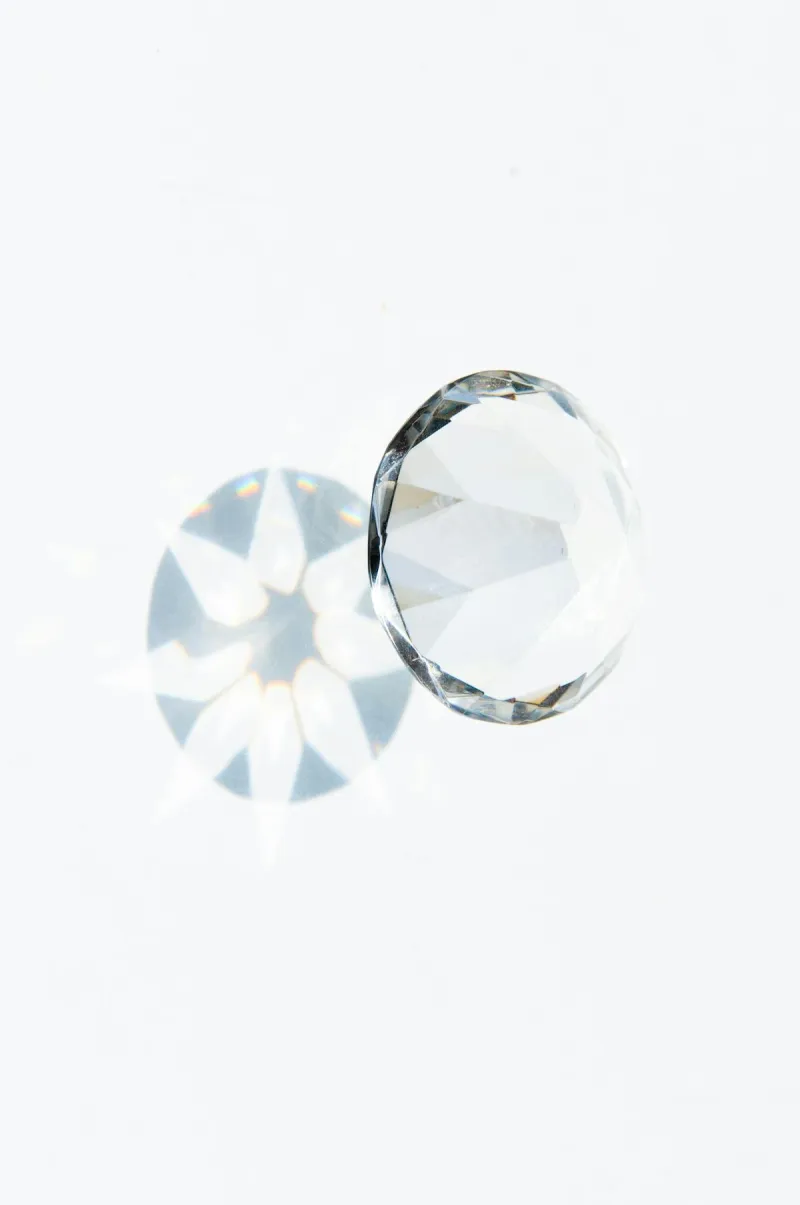
Diamond prices depend on a complex interplay of factors including the 4Cs (carat, cut, colour, and clarity), shape, market conditions, and retailer margins. This estimator provides approximate price ranges based on typical market data to help you set realistic expectations before you shop. It is designed as an educational tool, not a substitute for actual retailer quotes.
Prices per carat increase exponentially with size because larger diamonds are rarer. A 2-carat diamond does not cost twice as much as a 1-carat stone of the same quality — it can cost three to four times as much. The multipliers below reflect these real-world pricing dynamics.
Estimate Your Diamond's Price
Select the characteristics of the diamond you are considering, then click Estimate Price to see an approximate price range.
Estimated Price Range
How Diamond Prices Are Determined
The diamond industry uses the Rapaport Price List as a wholesale benchmark, which is updated weekly and organised by shape, carat weight, colour, and clarity. Retailers then apply their own margins, typically between 30% and 100% above wholesale, depending on the business model. Online retailers often have lower margins than traditional high-street jewellers.
Why Carat Weight Has a Non-Linear Effect
Diamond pricing follows what is known as the “per-carat pricing rule.” Prices are quoted per carat, but the per-carat price itself increases at certain weight thresholds (0.5 ct, 1.0 ct, 1.5 ct, 2.0 ct). A 0.99 ct diamond can cost noticeably less than a 1.01 ct stone of identical quality, simply because of the psychological and market premium placed on round carat numbers.
Which Factors Affect Price the Most?
- Carat weight has the single biggest impact on total price due to the exponential scaling described above.
- Cut quality is the most important factor for visual beauty and has a meaningful price premium for Excellent grades.
- Colour and clarity have diminishing returns. The difference between D and G colour is significant on paper but often invisible to the untrained eye once the stone is set.
- Shape affects price because round brilliants command a premium due to higher rough waste during cutting, while fancy shapes can offer 20–30% savings.