Jewellery Insurance: How to Protect Your Precious Pieces
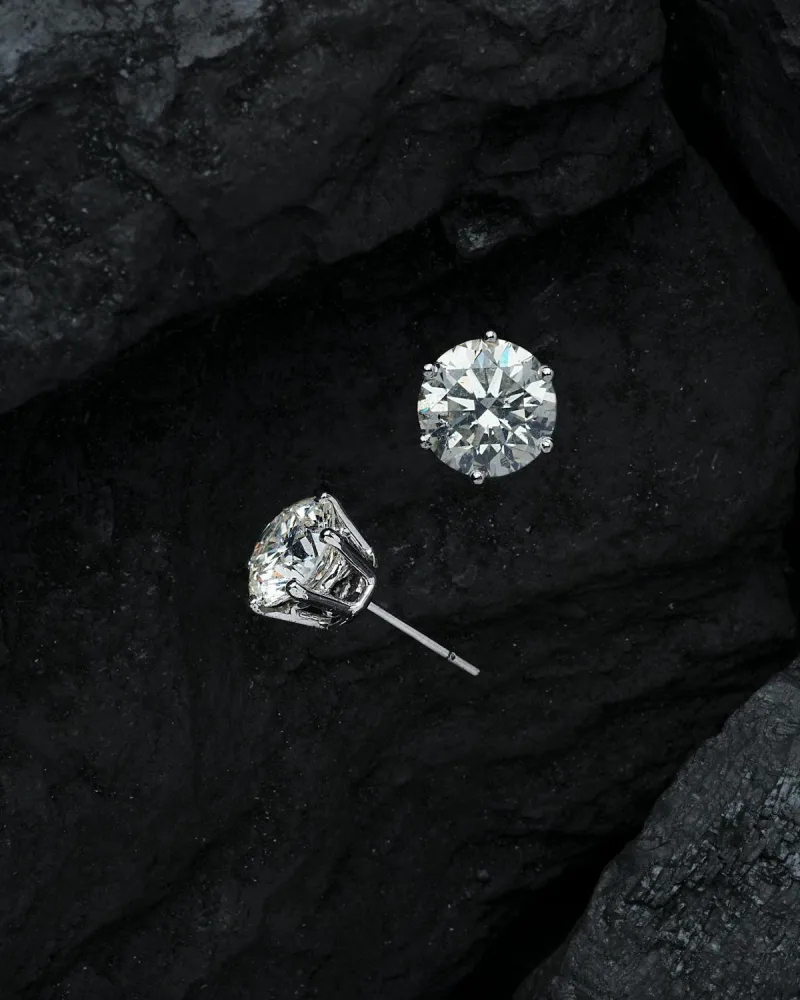
Your jewellery collection likely represents a significant financial and emotional investment. Whether it is an engagement ring passed down through generations, a carefully chosen diamond necklace, or a treasured gemstone bracelet, the loss or damage of a precious piece can be devastating. Jewellery insurance can provide a financial safety net, helping protect your most valued items against unexpected events.
Despite the importance of coverage, many people leave their jewellery uninsured or underinsured. This guide explains everything you need to know about jewellery insurance, from the types of policies available to the claims process and how to choose the right coverage for your collection.
What Jewellery Insurance Covers
A comprehensive jewellery insurance policy typically covers a range of scenarios that could result in the loss of or damage to your precious pieces:
- Theft – Coverage if your jewellery is stolen from your home, vehicle, or while you are travelling. This is one of the most common reasons people seek jewellery insurance
- Loss – Accidental loss, such as a ring slipping off your finger or an earring falling out unnoticed. Not all policies cover loss, so check carefully
- Damage – Physical damage including cracked or chipped stones, bent prongs, broken clasps, and scratches that affect the piece's integrity or appearance
- Mysterious disappearance – When a piece goes missing without a clear explanation. This is a valuable but less commonly included coverage, so confirm it is part of your policy
- Natural disasters – Damage or loss caused by fire, flooding, earthquakes, or other natural events
- Accidental damage – Dropping a piece down a drain, stepping on an earring, or other unintentional mishaps
Types of Jewellery Insurance
There are two primary ways to insure your jewellery, each with distinct advantages and limitations. Understanding the differences will help you choose the option that best suits your needs and budget.
Homeowner's or Renter's Insurance Rider
Many homeowner's and renter's insurance policies include a limited amount of coverage for personal property, which may extend to jewellery. However, sub-limits, exclusions, and deductibles vary widely by insurer and jurisdiction, and the standard amount may be too low for valuable pieces. To increase this coverage, you may be able to add a scheduled personal property rider (also called an endorsement or floater) to your existing policy.
A scheduled rider lists each piece individually with its appraised value, providing specific coverage for each item. This approach is convenient because it integrates with your existing insurance, but it may come with limitations such as higher deductibles or restricted coverage for certain types of loss.
Standalone Jewellery Insurance Policies
Specialist jewellery insurance providers offer dedicated policies designed specifically for valuable jewellery. These policies tend to offer broader coverage, lower or no deductibles, and more flexible claims processes. Standalone policies are often preferred by those with particularly valuable collections or pieces that require comprehensive protection.
Specialist insurers understand the unique nature of jewellery and may offer benefits such as worldwide coverage, coverage for mysterious disappearance, and the option to choose your own jeweller for repairs or replacements.
| Feature | Homeowner's/Renter's Rider | Standalone Jewellery Policy |
|---|---|---|
| Convenience | Added to existing policy | Separate policy to manage |
| Coverage breadth | May exclude some perils | Typically more comprehensive |
| Deductible | Often applies | Often zero or very low |
| Mysterious disappearance | Frequently excluded | Usually included |
| Worldwide coverage | May be limited | Typically included |
| Choice of jeweller | Insurer may dictate | Often your choice |
| Impact on home claim history | Claim may affect home premiums | No impact on home insurance |
| Cost | May be slightly lower | Competitive, varies by provider |
How Much Jewellery Insurance Costs
Jewellery insurance is often affordable relative to the value it protects, but pricing varies by insurer, location, item type, and coverage terms. A commonly cited rough range is around one to two per cent of the insured value per year, though your actual premium may fall outside that range.
Several factors influence the exact premium you will pay:
- Appraised value – Higher-value pieces cost more to insure, though the percentage rate may decrease for very high-value items
- Location – Where you live affects risk assessments. Urban areas with higher crime rates may attract slightly higher premiums
- Security measures – Having a home safe, alarm system, or secure storage may qualify you for discounts
- Deductible choice – Opting for a higher deductible reduces your premium
- Claims history – A history of previous claims may increase your premium
- Coverage type – More comprehensive coverage with fewer exclusions costs more
Getting Your Jewellery Appraised
An accurate, up-to-date appraisal is the foundation of proper jewellery insurance. Without one, you risk being underinsured or overpaying for coverage.
Professional Appraisals vs Retail Receipts
While a retail receipt shows what you paid for a piece, an insurance appraisal reflects the replacement value – what it would cost to replace the item with one of similar quality at current market prices. These figures can differ significantly, especially for older pieces or items purchased at a discount. Some insurers accept purchase documentation for newer items, while others require a formal appraisal from a qualified professional.
A qualified appraiser should hold credentials from a recognised body such as the National Association of Jewellers (NAJ) in the United Kingdom, the Gemmological Association of Great Britain (Gem-A), or the American Society of Appraisers. Look for appraisers who are independent of the retailer from whom you purchased the piece.
How Often to Update Appraisals
The value of precious metals and gemstones fluctuates over time. To ensure your coverage remains adequate, have your jewellery reappraised every two to three years. Market conditions can change significantly within this period – gold prices, for instance, have seen substantial swings in recent years. An outdated appraisal could leave you underinsured if values have risen, or overpaying for premiums if values have fallen.
What an Appraisal Should Include
A thorough jewellery appraisal document should contain:
- Detailed description of the piece, including all gemstones and metals
- Measurements and weights of stones
- Quality grades for gemstones (cut, colour, clarity, carat for diamonds)
- Metal type and purity (e.g., 18-carat gold, platinum)
- Photographs of the piece from multiple angles
- The appraiser's credentials and signature
- The date of the appraisal
- The replacement value in current market terms
- Any relevant certification or grading report references
Filing a Claim: The Process
If you need to file a jewellery insurance claim, acting promptly and thoroughly will help ensure a smooth process:
- Report immediately – Contact your insurer as soon as possible after the loss, theft, or damage. Most policies have time limits for reporting
- File a police report – For theft or suspected theft, obtain a police report and provide the reference number to your insurer
- Gather documentation – Compile your appraisal, photographs, receipts, and any certification documents
- Complete the claim form – Provide detailed and accurate information about the circumstances of the loss or damage
- Cooperate with the investigation – The insurer may send an adjuster or request additional information. Respond promptly to all requests
- Review the settlement offer – Carefully review any offer and ensure it aligns with your policy terms before accepting
Tips for Choosing Jewellery Insurance
Not all jewellery insurance policies are created equal. Pay close attention to the following factors when selecting coverage:
Agreed Value vs Actual Cash Value
An agreed value policy pays out the agreed insured amount in the event of a covered total loss, subject to the policy wording. An actual cash value policy accounts for depreciation, meaning you may receive less than the replacement cost. Many jewellery buyers prefer agreed-value or replacement-style cover, but the better option depends on the policy terms and how claims are settled.
Replacement vs Cash Settlement
Some policies offer a cash payout, while others replace the item through a preferred jeweller. Consider which option suits you better. Cash settlements offer flexibility, but replacement policies may provide a higher overall value as the insurer can often obtain pieces at trade prices. Some policies offer a combination, allowing you to choose at the time of the claim.
Worldwide Coverage
If you travel with your jewellery, ensure your policy provides worldwide coverage. Some policies restrict coverage to your home country or require notification before taking pieces abroad. For frequent travellers, worldwide coverage is essential.
Deductible Options
The deductible (or excess) is the amount you pay out of pocket before the insurance kicks in. Standalone jewellery policies often offer zero-deductible options, which is a significant advantage. If your policy includes a deductible, make sure it is an amount you can comfortably afford.
Coverage for Pairs and Sets
If you lose one earring from a pair, will the insurer replace both or just the one? Policies differ on how they handle pairs and sets. The best policies will replace or compensate for the entire set if one component is lost or damaged beyond repair, recognising that a single earring has limited utility.
Documenting Your Jewellery
Thorough documentation is your strongest ally when it comes to insurance claims. Maintain a comprehensive record of each significant piece in your collection:
- Photographs – Take clear, well-lit photographs from multiple angles. Include close-ups of any distinctive features, hallmarks, or engravings. Update photographs periodically
- Receipts – Keep original purchase receipts in a safe place. Digital copies stored securely in the cloud provide an additional layer of protection
- Certificates and grading reports – Store copies of all diamond and gemstone certification documents alongside your insurance paperwork
- Appraisal documents – Maintain current and previous appraisals to demonstrate value history
- Video documentation – A short video showing each piece can capture details that photographs miss, such as the way light interacts with gemstones
Store copies of all documentation in at least two locations – a physical safe and a secure digital backup. If your home were affected by a disaster, you would still have access to the records needed to support your claim.
When to Insure Your Jewellery
While any piece of jewellery can be insured, certain items are particularly important to cover:
- Engagement and wedding rings – Often the most valuable single piece of jewellery a person owns. Insure your engagement ring from the moment of purchase, ideally before the proposal
- Inherited and family pieces – Heirlooms carry irreplaceable sentimental value and may have appreciated significantly since they were originally purchased
- High-value individual items – Any piece worth more than you could comfortably afford to replace out of pocket
- Investment pieces – Jewellery purchased as an investment, including rare gemstones and collectible items, should be insured to protect your financial position
- Frequently worn pieces – Items worn daily are at greater risk of accidental damage or loss
- Travel jewellery – Pieces you regularly take abroad face additional risks from theft and loss
Frequently Asked Questions
Is jewellery automatically covered by my home insurance?
Most homeowner's and renter's policies include some personal-property coverage that may extend to jewellery, but sub-limits and exclusions vary by insurer and jurisdiction. For valuable pieces, you may need either a scheduled rider on your home policy or a standalone jewellery insurance policy to obtain suitable coverage.
Do I need a professional appraisal to insure my jewellery?
Many insurers require either a professional appraisal or detailed purchase documentation to establish replacement value. A retail receipt alone may be insufficient, especially for older or higher-value pieces. Check your insurer's documentation requirements and update valuations periodically.
Can I insure jewellery that I inherited or received as a gift?
Absolutely. You do not need a purchase receipt to insure jewellery. A professional appraisal establishing the current replacement value is sufficient for obtaining coverage. This is especially important for inherited pieces, which may have appreciated considerably over time.
Will filing a jewellery insurance claim increase my premiums?
It depends on the type of policy. A claim on a homeowner's insurance rider may affect your home insurance premiums. With a standalone jewellery insurance policy, the claim is separate from your home insurance and will not impact those premiums, though your jewellery premium may be adjusted at renewal.
Is jewellery insurance worth it for less expensive pieces?
For fashion jewellery or pieces of modest value, the cost of insurance and appraisals may not be justified. A reasonable guideline is to insure any piece that would cause financial hardship to replace. For sentimental items that cannot be replaced regardless of value, insurance provides peace of mind and the means to create a faithful reproduction if the worst occurs.