How to Check if Gold Is Real: 10 Proven Methods
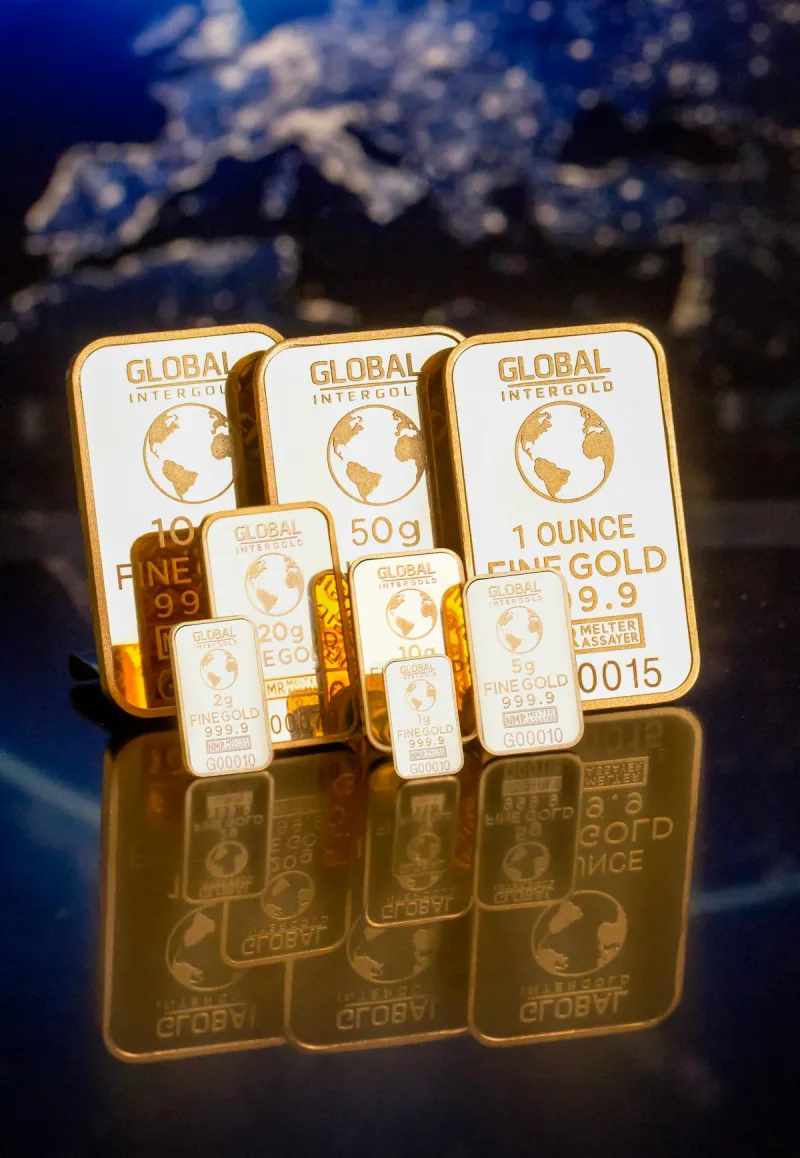
Gold has been humanity's most prized precious metal for thousands of years, and where there is value, there is counterfeiting. Whether you have inherited a family heirloom, purchased from a private seller, or simply want peace of mind about your collection, knowing how to verify gold authenticity is an essential skill. Counterfeit gold has become increasingly sophisticated, but genuine gold possesses unique physical and chemical properties that are difficult to replicate perfectly.
This guide covers ten proven methods for testing gold authenticity, ranging from simple visual inspections you can perform at home to professional-grade laboratory tests. While no single test is foolproof on its own, combining multiple methods provides a high degree of confidence in your assessment.
Understanding Gold Purity
Before testing gold, it helps to understand how gold purity is measured. Pure gold is 24 karats (24ct), but because pure gold is too soft for most jewellery applications, it is alloyed with other metals to increase durability. The karat system indicates how many parts out of 24 are pure gold.
- 24ct (999) – 99.9% pure gold, very soft, deep yellow colour
- 22ct (916) – 91.6% pure gold, common in Asian jewellery
- 18ct (750) – 75% pure gold, standard for fine jewellery
- 14ct (585) – 58.5% pure gold, popular in the United States
- 9ct (375) – 37.5% pure gold, common in the UK and Australia
Home Tests for Gold Authenticity
1. The Hallmark Inspection
The first and simplest check is examining the piece for hallmarks. In many countries, including the United Kingdom for items above the legal exemption weights, gold jewellery must be hallmarked by an assay office before it can be described as gold. Look for stamps indicating the karat value (e.g., 375, 585, 750, 916, or 999) using a magnifying glass or jeweller's loupe. Be aware that counterfeiters do stamp fake hallmarks, so this test alone is not conclusive but is an important starting point.
2. The Magnet Test
Gold is not magnetic. Hold a strong neodymium magnet (not a refrigerator magnet) close to the piece. If the jewellery is attracted to the magnet, it contains significant amounts of ferrous metal and is not genuine gold. However, many non-gold metals are also non-magnetic, so passing this test does not confirm authenticity – it only helps rule out obvious fakes.
3. The Skin Discolouration Test
Genuine gold does not react with skin under normal conditions. If wearing a piece causes green or black marks on your skin, it likely contains a high percentage of copper or other base metals. However, some legitimate lower-karat gold alloys may cause mild skin reactions in people with sensitivities, so this test is more indicative than conclusive.
4. The Float Test
Gold is extremely dense (19.3 grams per cubic centimetre). Drop the piece into a glass of water. Genuine gold sinks quickly and directly to the bottom. If the piece floats or sinks slowly, it is unlikely to be solid gold. Note that gold-plated items with a heavy base metal may also sink, making this test insufficient on its own.
5. The Ceramic Scratch Test
Drag the gold piece gently across an unglazed ceramic tile. Genuine gold leaves a gold-coloured streak, while many imitation materials leave a black or grey streak. Be cautious with this test as it can scratch your jewellery and may damage both the piece and the tile.
Advanced Home Tests
6. The Vinegar Test
Apply a few drops of white vinegar to the surface of the gold piece and wait 15 minutes. Genuine gold will not change colour or react. Fake gold or gold-plated items may discolour, turning green or black where the vinegar contacts the surface. Rinse thoroughly afterwards.
7. The Density Test
This is one of the most reliable home tests. You need a precision scale and a container of water:
- Weigh the piece on the scale and record the weight in grams
- Fill a container with water and note the water level
- Submerge the piece and measure the water displacement
- Divide the weight by the volume of water displaced to calculate density
- Compare to known gold density values for the stated karat
| Gold Purity | Expected Density (g/cm³) | Tolerance Range |
|---|---|---|
| 24ct (999) | 19.3 | 19.0 – 19.5 |
| 22ct (916) | 17.7 – 17.8 | 17.5 – 18.0 |
| 18ct (750) | 15.2 – 15.9 | 15.0 – 16.0 |
| 14ct (585) | 12.9 – 14.6 | 12.5 – 15.0 |
| 9ct (375) | 10.9 – 12.7 | 10.5 – 13.0 |
Professional Testing Methods
8. Acid Testing
Acid testing is the traditional professional method for verifying gold. A small scratch is made on the piece using a testing stone, and different acids are applied to the resulting mark. The reaction (or lack thereof) reveals the gold content. Testing kits are available for home use, but the process requires careful handling of hazardous chemicals and leaves a small mark on the piece. Professional jewellers can perform this test quickly and with minimal damage.
9. Electronic Gold Testing
Electronic testers use electrical conductivity to determine gold purity. These devices are non-destructive and provide quick results, making them popular among jewellers and pawnbrokers. Consumer-grade electronic testers are available but vary significantly in accuracy. Professional-grade units costing several hundred pounds offer reliable results.
10. X-Ray Fluorescence (XRF) Testing
XRF analysis is the gold standard (no pun intended) of gold testing. This non-destructive method uses X-rays to determine the exact chemical composition of the piece, identifying not only gold content but all alloying metals. XRF machines are expensive professional equipment, but many jewellers, assay offices, and precious metal dealers offer this service for a modest fee. For high-value pieces, XRF testing provides definitive results.
Common Types of Fake Gold
Understanding what counterfeit gold looks like helps you spot it more easily:
- Gold-plated – A thin layer of gold over a base metal. Wear and scratches reveal the underlying metal
- Gold-filled – A thicker layer of gold bonded to a base metal, more durable than plating but still not solid gold
- Gold vermeil – A specific type of gold plating over sterling silver, usually at least 2.5 microns thick
- Tungsten core – Tungsten has a similar density to gold, making it difficult to detect with simple density tests
- Brass – Similar colour but much lighter and more prone to tarnishing
When to Seek Professional Help
While home tests provide useful preliminary information, certain situations warrant professional evaluation:
- High-value pieces worth more than a few hundred pounds
- Inherited jewellery with unknown provenance
- Pieces purchased from private sellers or unfamiliar sources
- Any item where home tests give conflicting results
- Before selling gold, to ensure you receive fair market value
A qualified jeweller or assay office can provide definitive authentication, often while you wait. The modest cost of professional testing is insignificant compared to the value of certainty, especially for pieces of sentimental or financial importance.
Frequently Asked Questions
Can fake gold pass all home tests?
Sophisticated counterfeits, particularly tungsten-core pieces, can pass many home tests including density and magnet tests. This is why no single test should be relied upon exclusively, and professional XRF testing is recommended for high-value items.
Does real gold tarnish?
Pure gold (24ct) does not tarnish. However, lower-karat gold alloys can tarnish slightly due to the other metals in the alloy, particularly copper. Mild tarnishing on 9ct or 14ct gold does not indicate the piece is fake.
How much does professional gold testing cost?
Professional testing typically costs between five and fifty pounds, depending on the method used and the number of pieces tested. XRF testing is usually at the higher end but provides the most comprehensive results.
Is gold-plated jewellery worthless?
Gold-plated jewellery has minimal gold content and thus minimal precious metal value. However, it can still be attractive, wearable jewellery – the key is ensuring you pay gold-plated prices, not solid gold prices.
Can a jeweller tell if gold is real just by looking at it?
Experienced jewellers can often identify obvious fakes visually, but even experts cannot definitively authenticate gold by sight alone. Professional testing equipment is always needed for certainty.