How to Check if Silver Is Real
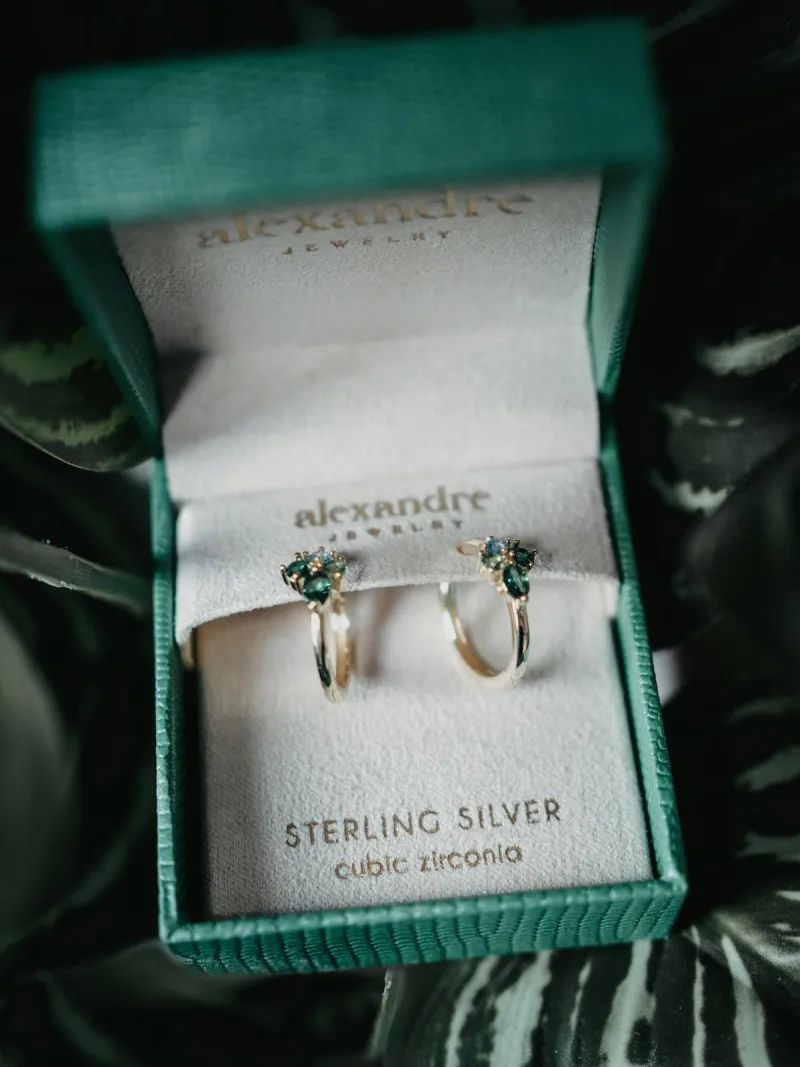
Sterling silver remains one of the most popular precious metals for jewellery, flatware, and decorative items. Its distinctive lustre, affordability compared to gold and platinum, and versatility make it a staple in jewellery collections worldwide. Unfortunately, the prevalence of silver-plated items, nickel silver (which contains no silver at all), and other imitations means that verifying authenticity is a necessary skill for any buyer or collector.
This comprehensive guide walks you through multiple testing methods, from simple visual checks to professional laboratory analysis, giving you the knowledge to confidently authenticate any silver piece.
Understanding Silver Grades and Standards
Silver jewellery comes in several recognised purity grades. Understanding these standards helps you know what to look for and what to expect from different pieces:
- Fine silver (999) – 99.9% pure silver, very soft and rarely used for jewellery due to its malleability
- Sterling silver (925) – 92.5% silver alloyed with 7.5% other metals (usually copper), the industry standard for silver jewellery
- Britannia silver (958) – 95.8% silver, occasionally used for premium pieces
- Coin silver (900) – 90% silver, historically used in coinage and some older jewellery
- 800 silver – 80% silver, common in European continental silver
Visual and Physical Tests
1. Hallmark and Stamp Inspection
The most immediate check is looking for hallmarks or purity stamps. Sterling silver is typically marked with "925," "Sterling," or "Ster." In the United Kingdom, legally hallmarked silver will bear the lion passant symbol (for sterling) along with the assay office mark, date letter, and maker's mark. Use a jeweller's loupe or magnifying glass to examine these marks carefully.
Bear in mind that the absence of hallmarks does not necessarily mean the piece is fake – very old pieces, handmade artisan pieces, and items from countries without mandatory hallmarking laws may lack stamps despite being genuine silver.
2. The Magnet Test
Silver is not magnetic (it is technically very slightly paramagnetic, but this is imperceptible). Hold a strong neodymium magnet against the piece. If it sticks firmly, the piece is not silver. If it slides off slowly, there may be a ferrous metal core beneath a silver coating. Genuine solid silver shows no attraction whatsoever.
3. The Ice Test
Silver has the highest thermal conductivity of any metal. Place an ice cube on the silver piece and observe how quickly it melts compared to an ice cube on a non-metallic surface. On genuine silver, the ice will melt noticeably faster due to the efficient heat transfer. This is a simple and non-destructive test unique to silver.
4. The Ring Test
When tapped gently with another metal object, genuine silver produces a clear, high-pitched ringing sound that sustains for a moment. Base metals produce a dull thud. This test works best with flat items like silver coins or plates rather than complex jewellery pieces.
5. The Tarnish Check
Real silver tarnishes when exposed to sulphur compounds in the air, developing a characteristic dark patina over time. If a piece claiming to be silver shows no tarnish after prolonged exposure, it may be stainless steel or another non-silver metal. Conversely, rapid or unusual discolouration (green, blue, or orange) suggests base metal content.
Chemical Tests
6. The Nitric Acid Test
This is one of the most definitive home tests for silver, though it requires careful handling of hazardous materials. Apply a small drop of nitric acid to an inconspicuous area of the piece:
- Creamy white reaction – Indicates sterling silver
- Green reaction – Indicates copper or base metal
- No reaction – May indicate high-purity silver or platinum
- Brown reaction – Indicates 800 silver or lower purity
Always perform this test in a well-ventilated area, wear protective gloves and goggles, and test on a small, hidden area first.
7. The Bleach Test
Apply a single drop of common household bleach to the piece. Genuine silver will tarnish rapidly, turning dark or black almost immediately. Fake silver will show little to no reaction. While this test causes visible tarnishing, it is easily reversed with silver polish, making it relatively low-risk for genuine pieces.
Professional Testing Methods
8. XRF Analysis
As with gold testing, X-Ray Fluorescence provides the most accurate and non-destructive analysis of silver content. This laboratory technique identifies the exact composition of the metal, including the silver percentage and all alloying metals. Many jewellers and precious metal dealers offer this service.
9. Specific Gravity Testing
Professional jewellers use specific gravity measurements to determine silver purity. Sterling silver has a specific gravity of approximately 10.36, distinct from most common substitutes.
| Test Method | Accuracy | Difficulty | Destructive? |
|---|---|---|---|
| Hallmark inspection | Moderate | Easy | No |
| Magnet test | Low-moderate | Easy | No |
| Ice test | Moderate | Easy | No |
| Ring test | Low | Easy | No |
| Tarnish check | Low-moderate | Easy | No |
| Nitric acid test | High | Moderate | Slightly |
| Bleach test | Moderate | Easy | Reversible |
| XRF analysis | Very high | Professional | No |
| Specific gravity | High | Professional | No |
Common Silver Imitations
Knowing what fakes look like helps you identify them:
- Silver-plated items – A thin layer of silver over brass, copper, or nickel. Look for wear spots where the plating has worn through, revealing a different-coloured metal beneath
- Nickel silver (German silver) – An alloy of copper, nickel, and zinc containing no actual silver despite the name. Has a slightly yellowish tint compared to genuine silver
- Stainless steel – Can look similar to silver but is much harder, heavier, and does not tarnish. Responds to magnets
- Aluminium – Much lighter than silver and has a duller, greyish appearance
- Pewter – Softer than silver with a darker, less reflective surface
Protecting Yourself When Buying Silver
Prevention is better than cure. Follow these guidelines to minimise the risk of purchasing counterfeit silver:
- Buy from established, reputable dealers with verifiable business histories
- Request certification or provenance documentation for significant purchases
- Compare prices to market rates – significantly underpriced silver is a red flag
- If buying online, choose retailers with strong return policies as outlined in our online buying guide
- For antique silver, consult a specialist dealer or auctioneer
Frequently Asked Questions
Does real silver turn black?
Yes. Real silver tarnishes when exposed to sulphur compounds in the air, food, or certain materials. This tarnish appears as a dark or black discolouration and is actually one of the indicators of genuine silver. It is easily removed with proper silver cleaning techniques.
Is 925 silver the same as sterling silver?
Yes. The "925" stamp indicates sterling silver, meaning the piece contains 92.5% pure silver. The remaining 7.5% is typically copper, which provides the strength needed for jewellery and everyday use.
Can silver be white gold?
No. Silver and white gold are completely different metals. White gold is a gold alloy (containing gold mixed with metals like palladium or nickel), while silver is a distinct element. White gold is significantly more expensive and does not tarnish.
Is silver a good investment?
Silver can be a reasonable investment as it is a precious metal with industrial demand, but its value fluctuates with market conditions. For investment purposes, bullion bars and coins are preferable to jewellery, as jewellery carries making charges. Learn more in our guide on what jewellery holds value.
Why is some silver jewellery so cheap?
The price of silver is significantly lower than gold, making basic silver jewellery genuinely affordable. However, extremely cheap "silver" jewellery from unknown sellers may be silver-plated or not silver at all. Our guide on expensive versus cheap jewellery explores what you get at different price points.