Preventing Jewellery Tarnish
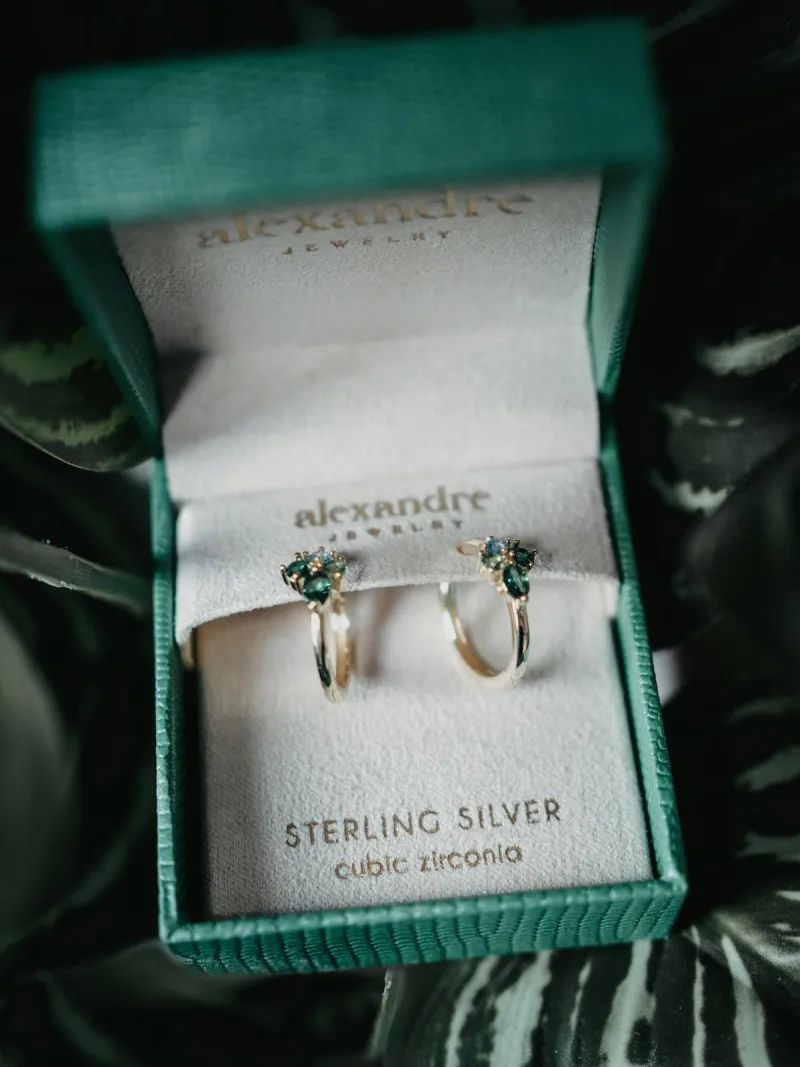
Tarnish is the bane of silver and lower-karat gold jewellery owners. That dark, dull film that gradually forms on your once-gleaming pieces is a chemical reaction between the metal surface and sulphur compounds in the environment. While tarnish is reversible through proper cleaning, prevention is far easier than cure. This guide provides a thorough approach to minimising tarnish through environmental control, protective products, and simple daily habits.
Understanding the science behind tarnish helps you target the most effective prevention strategies. Silver tarnishes fastest, but copper-containing gold alloys (rose gold, 9ct gold) are also susceptible. By addressing the causes systematically, you can keep your jewellery bright for months between cleanings.
The Science of Tarnish
Tarnish occurs when metal atoms on the surface react with sulphur-containing compounds to form metal sulphide. For silver, the reaction produces silver sulphide (Ag2S), which appears as a yellow, brown, and eventually black film. Several factors accelerate this reaction:
- Hydrogen sulphide gas – Present in small amounts in the atmosphere, particularly in urban and industrial areas
- Humidity – Moisture acts as a catalyst, dramatically speeding the tarnish reaction
- Temperature – Higher temperatures increase reaction rates
- Sulphur-rich materials – Rubber, wool, certain foods, some cosmetics, and latex all release sulphur compounds
- Skin chemistry – Individual body chemistry affects how quickly worn jewellery tarnishes
- Air pollutants – Industrial emissions and vehicle exhaust contain tarnish-accelerating compounds
Environmental Controls
Storage Environment
Where and how you store your jewellery has the greatest impact on tarnish prevention:
- Store in a cool, dry location away from bathrooms and kitchens
- Maintain low humidity in your storage area (below 50% relative humidity is ideal)
- Use enclosed containers rather than open displays to limit air exposure
- Keep jewellery away from direct sunlight and heat sources
- Avoid storing jewellery near rubber bands, newspapers, or wool
Reducing Air Exposure
Since tarnish requires contact with sulphur-containing air, minimising air exposure is highly effective:
- Store pieces in airtight containers or ziplock bags with excess air squeezed out
- Use anti-tarnish bags specifically designed for jewellery storage
- Keep jewellery boxes closed when not in use
- Consider vacuum-sealed storage for pieces worn only occasionally
Anti-Tarnish Products
| Product | How It Works | Effective Duration | Best For |
|---|---|---|---|
| Anti-tarnish strips (3M, Pacific Silvercloth) | Absorbs sulphur compounds from the air | 6-12 months per strip | Jewellery boxes, display cases |
| Anti-tarnish cloth | Treated fabric that neutralises tarnishing agents | 6-12 months | Wrapping individual pieces, box lining |
| Silica gel packets | Absorbs moisture, reducing humidity | Reusable (regenerate in oven) | All enclosed storage |
| Anti-tarnish sprays/coatings | Creates a protective barrier on the metal surface | 1-6 months (wear dependent) | Frequently worn pieces |
| Chalk | Absorbs moisture and some sulphur compounds | Replace monthly | Budget-friendly option for boxes |
| Activated charcoal | Absorbs a wide range of airborne compounds | 3-6 months | Larger storage areas |
Daily Habits That Prevent Tarnish
Simple behavioural changes make a significant difference in how quickly your jewellery tarnishes:
The "Last On, First Off" Rule
Make jewellery the last thing you put on when getting dressed and the first thing you remove when returning home. This minimises exposure to cosmetics, perfumes, hairsprays, and other products that accelerate tarnish.
Avoid Chemical Exposure
- Remove jewellery before swimming in chlorinated pools or the sea
- Take off rings and bracelets before using household cleaning products
- Remove jewellery before bathing or showering
- Apply perfume and hairspray before putting on jewellery, not after
- Avoid wearing silver while cooking with eggs, onions, or other sulphur-rich foods
Wear Your Silver Regularly
Paradoxically, silver that is worn frequently often tarnishes less than silver stored away. The gentle friction of wearing polishes the surface naturally, and the oils from your skin create a thin protective barrier. If you have silver pieces sitting unused, consider adding them to your regular rotation.
Protective Coatings and Treatments
Several protective treatments can be applied to slow tarnish formation:
- Rhodium plating – A thin rhodium layer applied to silver creates a bright, tarnish-resistant surface. Lasts six months to two years depending on wear. Professional jewellers offer this service
- Clear lacquer – Museum-grade lacquers can protect silver from tarnish for extended periods. Best for display pieces rather than worn jewellery, as lacquer wears off with friction
- Anti-tarnish dip treatments – After cleaning, some commercial products leave a microscopic protective film. Follow manufacturer instructions carefully
- Clear nail polish – A budget solution for non-visible surfaces like the inside of bracelets. Not recommended for visible areas as it can peel and look unsightly
Metal-Specific Prevention
Sterling Silver
Silver tarnishes the fastest of all precious metals. All prevention strategies described in this guide are most important for silver jewellery. Regular wearing, airtight storage with anti-tarnish strips, and the "last on, first off" rule are the three most impactful habits for silver owners.
Gold Alloys
Pure gold (24ct) does not tarnish, but lower-karat alloys can. Rose gold (which contains copper) and 9ct gold (37.5% pure gold) are most susceptible. The same prevention strategies apply, though tarnish develops much more slowly than with silver. Learn more about gold care in our gold cleaning guide.
Platinum
Platinum does not tarnish and requires no tarnish prevention measures. It is one of the most maintenance-free precious metals available.
Lifestyle Considerations
Your lifestyle affects which prevention strategies are most important:
- Humid climates – Prioritise moisture control with silica gel and dehumidifiers in storage areas
- Active lifestyles – Remove jewellery during exercise, as sweat accelerates tarnish
- Frequent swimmers – Consider rhodium-plated silver or stick to gold and platinum for poolside pieces
- Urban living – Higher air pollution levels mean more frequent cleaning is needed; airtight storage is especially important
- Coastal living – Salt air accelerates tarnish; store silver in sealed containers with anti-tarnish strips
Frequently Asked Questions
Can tarnish be permanently prevented?
Tarnish cannot be permanently prevented for silver unless the surface is permanently sealed (which is impractical for worn jewellery). However, it can be dramatically slowed through the strategies in this guide. With proper prevention, silver can remain bright for months between cleanings.
Does tarnish damage jewellery?
Tarnish is a surface reaction only and does not damage the underlying metal. It is purely cosmetic and entirely reversible through cleaning. However, heavily tarnished silver that sits for years may require more aggressive cleaning to restore.
Why does my silver tarnish faster on one hand than the other?
This is typically due to differences in product application (hand cream on the dominant hand) or activity patterns. Some people also have slightly different skin chemistry between hands.
Will anti-tarnish bags really work?
Yes, quality anti-tarnish bags significantly slow tarnish formation. When combined with removing excess air before sealing, they can keep silver bright for six months or more. Replace the bags or strips periodically as their effectiveness diminishes.
Is there a jewellery metal that never tarnishes?
Platinum, palladium, and pure 24ct gold do not tarnish. Stainless steel also resists tarnish. For practical jewellery that combines durability with tarnish resistance, platinum is the premier choice, though it comes at a premium price.