Jewellery Storage: How to Protect and Organise Your Collection
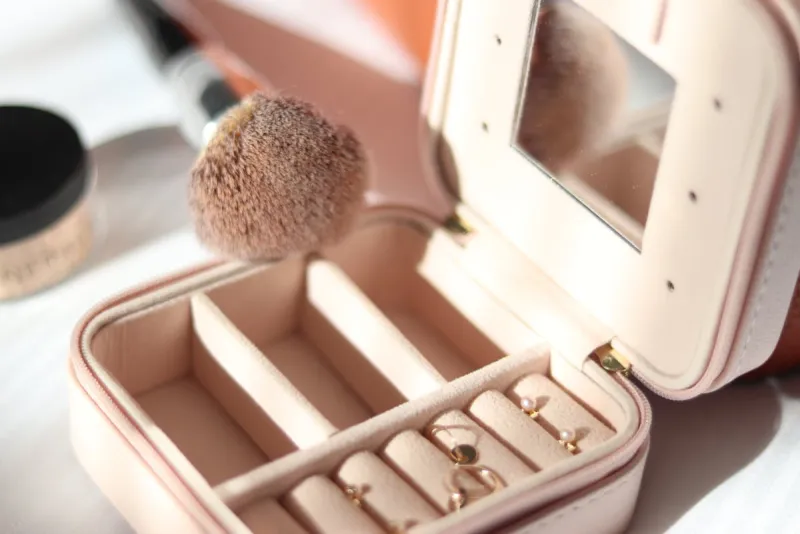
Proper storage is one of the most overlooked aspects of jewellery care, yet it has a profound impact on how your pieces look and last. Poor storage causes scratches from pieces rubbing together, tangled chains that can stretch or break, accelerated tarnish from environmental exposure, and even lost or damaged gemstones. Conversely, thoughtful storage preserves beauty, prevents damage, and makes it easy to find and enjoy every piece in your collection.
This guide covers storage principles for every type of jewellery, from everyday pieces to heirloom treasures, including solutions for home, travel, and long-term preservation.
The Golden Rules of Jewellery Storage
Regardless of what storage solution you choose, these fundamental principles apply to all jewellery:
- Separate every piece – The single most important rule. Different metals and gemstones have different hardness levels. A diamond will scratch gold; gold will scratch silver. Every piece should have its own compartment, pouch, or bag
- Keep it dry – Moisture accelerates tarnish on silver and can damage certain gemstones. Store jewellery in a dry environment away from bathrooms
- Minimise air exposure – Air contains sulphur compounds that tarnish silver and, to a lesser extent, lower-karat gold. Enclosed storage slows this process
- Avoid direct sunlight – UV light can fade certain gemstones (amethyst, kunzite, rose quartz) and degrade some organic materials
- Keep away from heat – Extreme temperatures can damage certain gemstones and cause metals to expand or contract
- Clean before storing – Always clean jewellery before putting it away, as oils and residues accelerate tarnish and corrosion during storage
Storage Solutions by Type
Jewellery Boxes
A quality jewellery box remains the most popular storage solution for everyday collections. When selecting a jewellery box, look for:
- Soft, non-abrasive lining (velvet, suede, or microfibre – never felt, which can be abrasive)
- Individual compartments for rings, earrings, and bracelets
- Necklace hooks or dedicated necklace compartments to prevent tangling
- A secure closure to keep dust and air out
- Adequate size for your current collection plus room for growth
Individual Pouches and Bags
Soft fabric pouches (cotton, silk, or microfibre) are excellent for individual piece storage, particularly for valuable items. Anti-tarnish pouches treated with tarnish-inhibiting chemicals are especially useful for silver jewellery. Each piece gets its own pouch, preventing contact damage.
Ziplock Bags
Small, soft plastic ziplock bags are a surprisingly effective and affordable storage option. They minimise air exposure, prevent pieces from touching, and allow you to see what is inside. Squeeze out excess air before sealing. Add a small anti-tarnish strip to each bag for silver pieces.
Storage by Jewellery Type
| Jewellery Type | Best Storage Method | Common Mistakes |
|---|---|---|
| Rings | Individual ring slots in a lined box or ring roll | Storing loose together, causing scratches |
| Necklaces and chains | Hung on individual hooks or laid flat in separate compartments | Piling together, causing tangling and kinking |
| Earrings | Paired together in compartments or on an earring holder | Losing pairs, bending posts |
| Bracelets and bangles | Individually in padded compartments or pouches | Stacking, which scratches finishes |
| Watches | Watch box with cushion pillows or individual watch pouches | Contact with jewellery, scratching crystals |
| Pearls | Flat, in a soft cloth pouch, away from other pieces | Hanging (stretches silk thread), plastic bags (pearls need air) |
Anti-Tarnish Solutions
For silver and lower-karat gold jewellery, anti-tarnish products can significantly extend the time between cleanings:
- Anti-tarnish strips – Small paper strips treated with chemicals that absorb sulphur compounds from the air. Place one in each storage compartment and replace every few months
- Anti-tarnish cloth – Treated fabric that can line jewellery boxes or wrap individual pieces. Effective for six to twelve months
- Silica gel packets – Absorb moisture from the storage environment, slowing tarnish. Replace when the indicator changes colour
- Chalk – A piece of ordinary white chalk in your jewellery box absorbs moisture and sulphur compounds. Replace monthly
For comprehensive tarnish prevention strategies, see our dedicated preventing tarnish guide.
Travel Storage
Travelling with jewellery introduces additional risks from movement, pressure, and security concerns. Follow these guidelines:
Choosing a Travel Case
- Select a hard-sided travel jewellery case that protects against crushing
- Ensure it has individual compartments with soft lining
- Choose a compact size that fits in your carry-on luggage (never check valuable jewellery)
- Consider a case with a zipper or latch that secures during transit
Travel Tips
- Bring only the pieces you plan to wear – leave valuable items in secure home storage
- Use the hotel safe for jewellery you are not currently wearing
- Thread necklaces through straws to prevent tangling
- Wrap rings in soft tissue or place in individual pill box compartments
- Consider purchasing travel insurance that covers jewellery specifically
Long-Term and Heirloom Storage
Pieces that will not be worn for extended periods, such as inherited jewellery or seasonal items, require additional precautions:
- Clean thoroughly before storage using the methods in our gold and silver cleaning guides
- Wrap each piece individually in acid-free tissue paper
- Place in individual soft pouches or anti-tarnish bags
- Store in a climate-controlled environment (not attics, basements, or garages)
- Check pieces every six to twelve months for any developing issues
- Keep documentation, certificates, and valuations alongside the pieces
Security Considerations
Beyond physical care, protecting your jewellery from theft is an important aspect of storage:
- Home safe – A bolted-down, fire-rated safe provides the best home security for valuable pieces
- Safety deposit box – Bank safety deposit boxes offer maximum security for rarely worn, high-value items
- Insurance – Ensure your jewellery is properly insured with up-to-date valuations
- Photography – Photograph and document all valuable pieces for insurance purposes
- Discretion – Avoid obvious "jewellery box" items visible from windows
What to Avoid in Storage
- Bathroom storage – Humidity from showers accelerates tarnish and can damage gemstones
- Window sills – Direct sunlight fades gemstones and heats metals
- Rubber containers – Rubber releases sulphur compounds that rapidly tarnish silver
- Wooden boxes (unlined) – Certain woods contain acids that can tarnish metals. Only use lined wooden boxes
- Open displays – While attractive, open jewellery trees and stands expose pieces to dust, air, and sunlight
Frequently Asked Questions
Should I store jewellery in the original box?
Original boxes from reputable jewellers are typically excellent for storage as they are designed for the specific piece. However, they take up more space than consolidated storage. For valuable pieces, keeping the original box also adds resale value.
Can I store gold and silver jewellery together?
Not in direct contact. Gold is harder than silver and will scratch silver surfaces. Store them in the same box if necessary, but always in separate compartments with no possibility of contact.
How do I prevent chains from tangling in storage?
Hang necklaces individually on hooks, lay them flat without overlapping, or thread delicate chains through drinking straws before coiling. Each chain should have its own compartment or pouch.
Is it bad to leave jewellery out overnight?
Occasional overnight exposure is fine for most pieces. However, habitually leaving jewellery on nightstands, countertops, or sinks increases the risk of damage, loss, and exposure to humidity and chemicals.