How to Clean Silver Jewellery
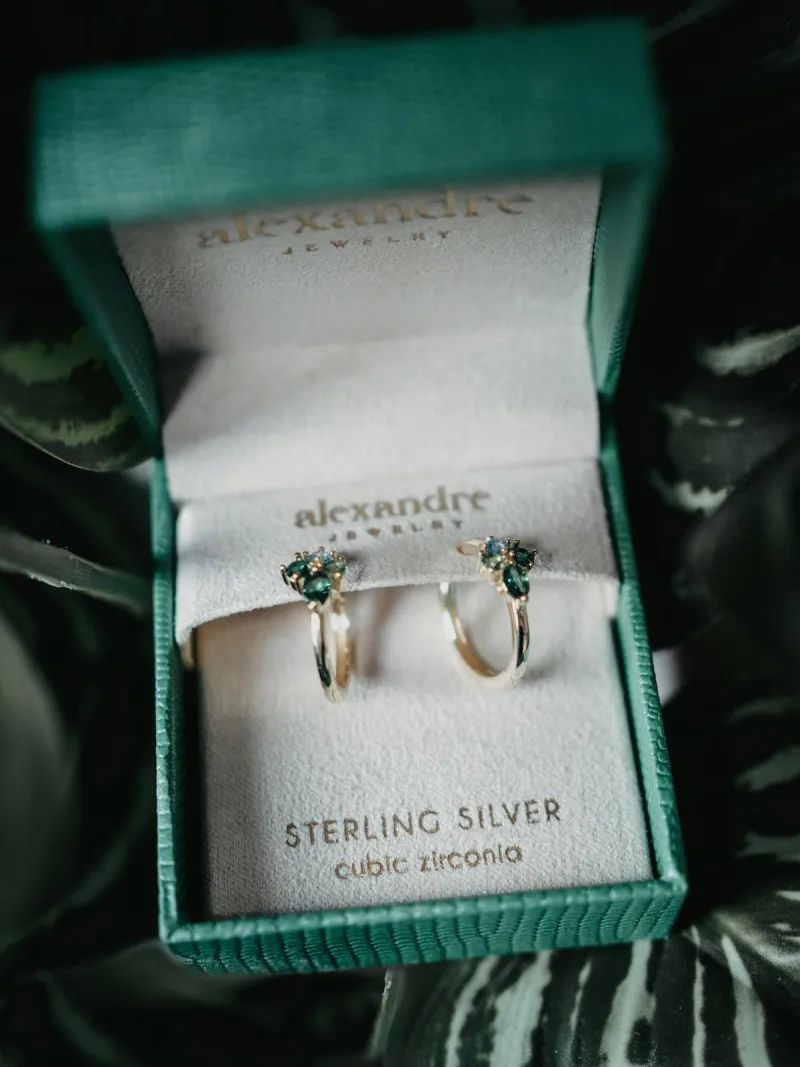
Sterling silver is one of the most popular precious metals in jewellery, prized for its brilliant white lustre and affordability. However, silver's Achilles heel is tarnish – the dark discolouration that forms when silver reacts with sulphur compounds in the air, food, and skin. While tarnish is a natural process that actually confirms your silver is genuine, it can make even the finest pieces look neglected.
The good news is that tarnish is entirely reversible. This guide covers multiple proven methods for cleaning silver jewellery, from gentle everyday maintenance to intensive tarnish removal for badly discoloured pieces. With the right technique, your silver can look as brilliant as the day you bought it.
Understanding Silver Tarnish
Tarnish is a thin layer of silver sulphide that forms on the surface when silver reacts with hydrogen sulphide in the atmosphere. This is a surface reaction only – it does not damage the silver itself. Understanding what causes tarnish helps you minimise it:
- Air exposure – Normal atmospheric conditions cause slow tarnishing over weeks and months
- Humidity – Moist air accelerates tarnish formation significantly
- Sulphur-containing substances – Rubber bands, certain foods (eggs, onions), wool, and some cosmetics contain sulphur compounds that rapidly tarnish silver
- Body chemistry – Some people's skin oils and sweat cause silver to tarnish faster
- Chemicals – Chlorine, bleach, and household cleaning products accelerate tarnishing
Method 1: Warm Water and Soap (Regular Maintenance)
For lightly tarnished silver or regular maintenance cleaning, this gentle method is ideal:
- Fill a bowl with warm water and add a few drops of mild washing-up liquid
- Soak the silver piece for five to ten minutes
- Gently clean with a soft cloth or very soft toothbrush, working in straight lines (not circles)
- Rinse under warm running water
- Dry immediately and thoroughly with a soft, lint-free cloth – leaving silver wet promotes tarnish
Method 2: The Aluminium Foil and Baking Soda Bath
This is the most popular and effective home method for removing moderate to heavy tarnish. It works through an electrochemical reaction that converts silver sulphide back into pure silver, meaning no silver is removed in the process.
What You Need
- A heat-safe bowl or dish
- Aluminium foil
- Boiling water
- Baking soda (bicarbonate of soda)
- A soft cloth for drying
Step-by-Step Process
- Line the bowl with aluminium foil, shiny side up
- Place the tarnished silver pieces on the foil, ensuring each piece touches the aluminium
- Sprinkle one tablespoon of baking soda per piece over the silver
- Pour boiling water over the pieces until they are fully submerged
- You will see the tarnish begin to disappear within seconds, and you may notice a slight egg-like smell (this is the sulphur being released)
- For light tarnish, two to three minutes is sufficient. For heavy tarnish, leave up to ten minutes
- Remove with tongs, rinse with clean water, and dry thoroughly
Important: Do not use this method on silver jewellery with glued components, oxidised (intentionally darkened) details, pearls, or porous gemstones. The heat and chemical reaction can damage these elements.
Method 3: Silver Polishing Cloth
A treated silver polishing cloth is the most convenient method for quick touch-ups and light tarnish removal. These cloths are impregnated with a gentle polishing compound and tarnish-inhibiting agents.
- Rub the silver gently with the treated cloth using straight, back-and-forth motions
- Turn the cloth frequently to expose clean areas
- Do not wash polishing cloths, as this removes the treatment
- Replace when the cloth becomes entirely blackened
Method 4: Commercial Silver Cleaners
Several commercial silver cleaning products are available, including dip solutions, creams, and sprays. When using commercial products:
- Follow manufacturer instructions precisely
- Choose products specifically formulated for sterling silver jewellery (not silverware cleaners, which may be too aggressive)
- Rinse thoroughly after using any commercial cleaner
- Avoid prolonged contact – most dip solutions require only seconds of immersion
| Method | Best For | Tarnish Level | Time Required | Risk Level |
|---|---|---|---|---|
| Warm water and soap | Regular maintenance | Light | 10-15 minutes | Very low |
| Aluminium foil bath | Heavy tarnish removal | Moderate to heavy | 5-15 minutes | Low |
| Polishing cloth | Quick touch-ups | Light | 2-5 minutes | Very low |
| Commercial cleaner | Moderate tarnish | Light to moderate | Varies | Low-moderate |
| Professional cleaning | Valuable or delicate pieces | Any level | Professional service | Minimal |
Special Considerations for Gem-Set Silver
Silver jewellery set with gemstones requires extra care during cleaning:
- Hard gemstones (diamond, sapphire, ruby, topaz) – Can be cleaned using most silver cleaning methods, though avoid the aluminium foil bath for glued settings
- Soft gemstones (pearl, opal, turquoise, amber, coral) – Use only the damp cloth method. These stones are porous or delicate and can be permanently damaged by chemicals, heat, or prolonged water exposure
- Organic materials (pearl, amber, jet, ivory) – Clean only with a barely damp soft cloth. No soaking, no chemicals
Caring for Oxidised Silver
Some silver jewellery is intentionally oxidised (darkened) in recessed areas to create contrast and highlight design details. Aggressive cleaning will remove this intentional darkening. For oxidised pieces:
- Clean only the raised, bright surfaces using a polishing cloth
- Avoid dip solutions and the aluminium foil method
- Do not use ultrasonic cleaners
- If oxidation is accidentally removed, a jeweller can re-oxidise the piece
Preventing Future Tarnish
After cleaning, take steps to slow tarnish formation. Our comprehensive guide on preventing tarnish covers this in detail, but key strategies include:
- Store silver in airtight bags with anti-tarnish strips
- Wear silver frequently – the gentle friction of wear actually helps prevent tarnish buildup
- Keep silver away from rubber bands, wool, and sulphur-containing materials
- Apply a thin layer of clear nail polish to the inside of non-skin-contact areas (optional, for storage pieces)
Frequently Asked Questions
Will cleaning damage my silver?
The methods described in this guide are safe for sterling silver when followed correctly. The aluminium foil method is actually the safest for the silver itself, as it reverses the chemical reaction rather than removing silver. Abrasive polishing does remove a microscopic layer of silver with each use, but this is negligible over a lifetime of normal care.
How often should I clean silver jewellery?
Clean pieces you wear regularly every two to four weeks with a polishing cloth. Deeper cleaning should be done monthly or whenever noticeable tarnish develops. Pieces in storage should be cleaned before wearing and before returning to storage.
Can I use ketchup or cola to clean silver?
While these acidic substances can remove tarnish, they are messy, difficult to rinse from crevices, and unnecessary when better methods exist. We recommend the aluminium foil method for heavy tarnish and polishing cloths for light tarnish.
Why does my silver tarnish faster than others?
Individual body chemistry, environmental conditions, and storage methods all affect tarnish rate. People with more acidic skin oils may find silver tarnishes faster on them. Humid climates and homes near the sea also accelerate tarnishing.