How to Choose Gemstones: A Professional Buyer's Checklist
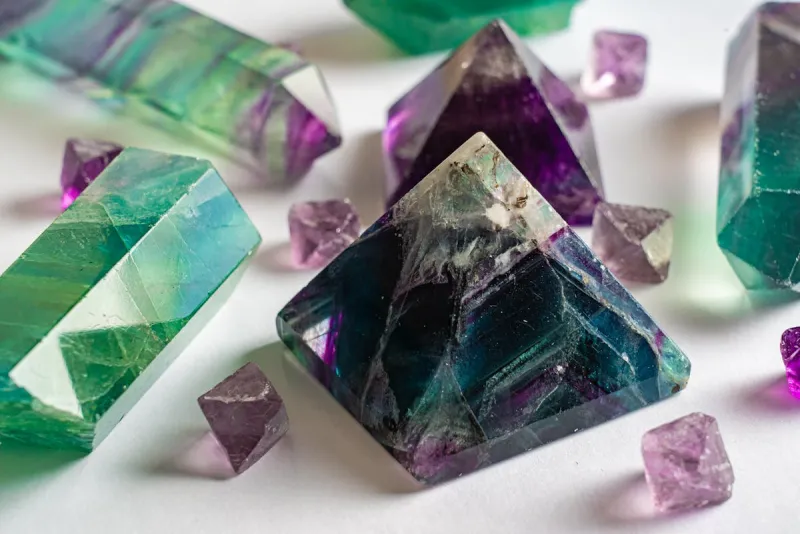
The world of coloured gemstones is astonishingly diverse, encompassing everything from deep red rubies and brilliant blue sapphires to rare alexandrites that change colour depending on the light. Unlike diamonds, which are graded by a single universal system, coloured gemstones are evaluated using a more nuanced set of criteria where personal preference plays a significant role. This makes choosing gemstones both more exciting and more challenging.
This guide provides a comprehensive framework for evaluating and selecting coloured gemstones, whether you are choosing a centre stone for an engagement ring, adding to a collection, or selecting a meaningful gift. By understanding the key quality factors, you will be able to assess value, identify treatments, and choose stones that bring lasting beauty and satisfaction.
The Key Quality Factors
Colour: The Primary Value Driver
Colour is the single most important factor in determining a coloured gemstone's value and desirability. Gemologists assess colour using three components:
- Hue – The basic colour (red, blue, green, etc.) and any secondary colours present. For example, a ruby may have a primary red hue with slight orange or purple secondary tones
- Saturation – The intensity or vividness of the colour. Highly saturated stones with pure, vibrant colour command the highest prices. Weak or dull saturation reduces value significantly
- Tone – How light or dark the colour appears. The ideal tone varies by gem type, but generally medium to medium-dark tones are most desirable. Too dark and the stone appears black; too light and it appears washed out
Clarity: Different Standards for Different Stones
Unlike diamonds, clarity expectations vary dramatically between gemstone types. Gemologists classify stones into three clarity types:
- Type I (usually eye-clean) – Aquamarine, blue topaz, tanzanite. These typically form without visible inclusions, so eye-clean specimens are expected
- Type II (usually included) – Ruby, sapphire, garnet. Minor inclusions are normal and acceptable. Eye-clean specimens command significant premiums
- Type III (almost always included) – Emerald, tourmaline. Inclusions are expected and accepted. Completely clean specimens are exceptionally rare and valuable
Cut: Maximising Beauty
Gemstone cutting aims to maximise colour display, brilliance, and visual appeal while retaining as much weight as possible. A well-cut gemstone shows even colour distribution, good symmetry, and attractive proportions. Common cuts include:
- Oval – The most popular shape for coloured stones, maximising colour display
- Cushion – Rounded corners with a slightly vintage feel, excellent for deeper colours
- Emerald cut – Step-cut rectangular shape, elegant and sophisticated
- Round – Classic shape, though less common in coloured stones due to greater weight loss
- Pear – Tear-drop shape, beautiful for pendants and earrings
- Cabochon – A smooth, domed cut without facets, used for star sapphires, opals, and heavily included stones
Carat Weight and Size
Different gemstones have different densities, so a one-carat ruby and a one-carat emerald will be different physical sizes. When shopping, focus on the millimetre measurements rather than carat weight alone to understand how the stone will look when set. Prices per carat increase steeply for larger sizes of rare gemstones.
Understanding Gemstone Treatments
Most gemstones on the market have undergone some form of treatment to enhance their appearance. Understanding treatments is essential for making informed purchases and paying fair prices.
| Treatment | Common In | Effect on Value | Stability |
|---|---|---|---|
| Heat treatment | Sapphire, ruby, tanzanite | Widely accepted, moderate discount | Permanent |
| Oiling/filling | Emerald | Expected for emeralds, affects value by degree | May need re-treatment over time |
| Beryllium diffusion | Sapphire | Significant discount required | Permanent |
| Irradiation | Blue topaz, some diamonds | Expected for blue topaz, accepted | Permanent |
| Coating | Various | Major discount, generally unacceptable | Temporary, wears off |
| No treatment | Fine specimens of any type | Significant premium, especially for ruby and sapphire | N/A |
Always ask the seller to disclose any treatments and seek independent laboratory certification for significant purchases. A reputable seller will freely disclose treatment information.
Popular Gemstones and What to Look For
Ruby
Look for a vivid, medium-dark red with minimal secondary hues. Burmese rubies are the most prized. Slight silk (tiny needle-like inclusions) can actually improve a ruby's appearance by softening the colour distribution. Unheated rubies command substantial premiums.
Sapphire
Classic blue sapphires should have a rich, velvety blue without appearing too dark. Kashmir and Burmese origins are most valued. Sapphires also come in every colour except red, including highly desirable padparadscha (pink-orange) specimens.
Emerald
A vivid green with good transparency is the goal. Slight bluish or yellowish secondary hues are common and accepted. Garden-like inclusions (known as "jardin") are expected. Colombian emeralds are traditionally most valued, followed by Zambian stones.
Tanzanite
Unique to Tanzania, look for a rich violet-blue colour with strong saturation. Nearly all tanzanite is heat-treated. Larger stones (over five carats) display colour more vividly and command higher per-carat prices.
Geographic Origin and Value
For fine gemstones, geographic origin can significantly affect value. Burmese rubies, Kashmir sapphires, and Colombian emeralds command premiums based on historical reputation and distinctive optical qualities. However, beautiful stones come from many sources, and a stunning Mozambican ruby can rival a Burmese stone at a fraction of the price. Judge each stone on its individual merits rather than origin alone.
Choosing Gemstones for Different Jewellery Types
Consider the intended use when selecting a gemstone:
- Daily wear rings – Choose stones with hardness of 7 or above on the Mohs scale (sapphire, ruby, spinel, topaz) and protective settings
- Occasional wear rings – Softer stones like emerald, opal, and tanzanite work well with careful wear
- Earrings and pendants – Lower durability requirements allow more delicate stones. Excellent for opals, pearls, and turquoise
- Bracelets – Subject to frequent impact, so hard stones in protective settings are advisable
Frequently Asked Questions
Are natural gemstones better than lab-grown?
Natural and many lab-grown gemstones share the same basic chemistry and crystal structure, though market treatment and disclosure practices still matter. Natural stones carry rarity value and geological heritage, while lab-grown stones often offer lower prices and may offer clearer sourcing depending on the producer. The choice depends on your priorities and budget.
What is the most valuable gemstone?
Per carat, fine unheated Burmese rubies, Kashmir sapphires, and top-quality alexandrites routinely exceed diamond prices. A museum-quality Burmese ruby can sell for over one million pounds per carat at auction.
How can I tell if a gemstone is real?
Professional gemological testing is the only reliable way to confirm authenticity. Visual inspection and simple home tests can identify obvious fakes, but sophisticated synthetics require laboratory analysis to distinguish from natural stones.
Do gemstones make good engagement ring stones?
Absolutely. Sapphires and rubies are excellent for engagement rings due to their exceptional hardness. Softer stones like emeralds can work with protective settings and careful wear.
Should I buy gemstones online?
Yes, provided you follow the guidelines in our online buying guide. Request high-quality photographs and videos showing the stone in different lighting, insist on certification, and ensure a generous return policy.