Jewellery Metals: The Complete Guide
The metal you choose for your jewellery is just as important as the gemstone it holds. From the warm lustre of gold to the cool brilliance of platinum, each metal brings its own character, durability and price point to a finished piece. Whether you are shopping for an engagement ring, a pair of everyday earrings or a statement necklace, understanding metals will help you make a confident, informed decision.
This resource centre covers every metal commonly used in fine and fashion jewellery. Use the guides below to compare options, learn about purity markings and discover which metals work best for sensitive skin.
Precious Metals
Precious metals have been prized for thousands of years thanks to their rarity, beauty and resistance to corrosion. Gold, silver and platinum-group metals form the backbone of the fine jewellery industry. They hold their value over time and can be recycled and re-refined without losing quality, making them both a luxury and a surprisingly sustainable choice.
Gold
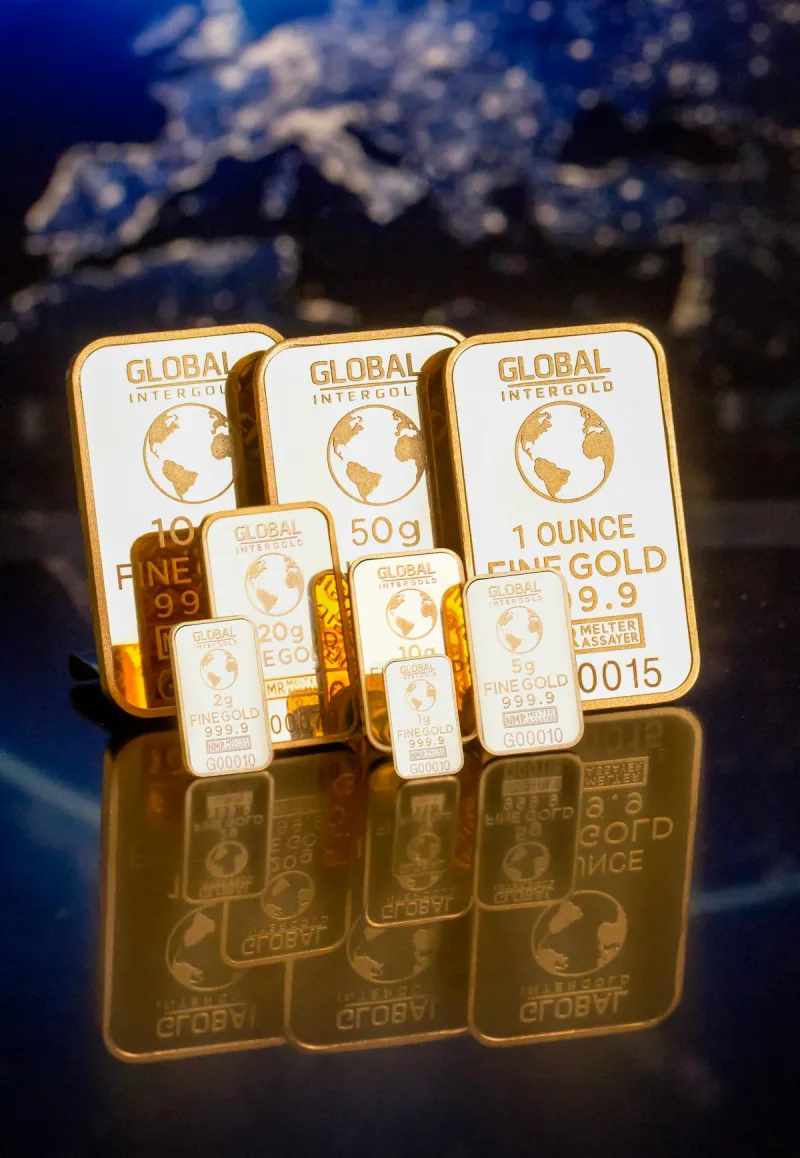
Gold is the most popular jewellery metal in the world. It is naturally yellow, highly malleable and virtually indestructible under normal wearing conditions. Because pure gold is too soft for most jewellery, it is alloyed with other metals to increase strength and, in some cases, change colour. Our gold guides cover everything from karat ratings to colour variations.
- Gold in Jewellery – The Complete Guide
- 24K Gold: Properties, Uses & Value
- 18K vs 14K Gold: Which Should You Choose?
- Rose Gold: History, Composition & Style
- Gold Plated vs Gold Filled: What’s the Difference?
Silver
Silver offers the brilliance of a white metal at a fraction of the cost of platinum or white gold. Sterling silver remains the standard alloy for silver jewellery around the globe, but it does require a little more care to keep it looking its best. Our silver guides explain purity stamps, tarnish prevention and proper cleaning techniques.
- Sterling Silver: The Definitive Guide
- What Does 925 Mean on Jewellery?
- Why Silver Tarnishes and How to Prevent It
Platinum-Group Metals
Platinum and palladium belong to the same family of dense, white metals known as the platinum group. They are exceptionally durable, naturally hypoallergenic and resist tarnishing under almost all conditions. These metals are ideal for setting diamonds and other precious gemstones because they hold prongs securely over decades of wear.
Alternative and Contemporary Metals
Not every piece of jewellery needs to be crafted from a traditional precious metal. Titanium and stainless steel have grown enormously popular for wedding bands, watches and fashion jewellery. They offer exceptional strength, modern aesthetics and, in many cases, better hypoallergenic properties than some traditional alloys.
- Titanium Jewellery: Pros, Cons & Care
- Stainless Steel Jewellery: A Practical Guide
- Tungsten Carbide: The Modern Wedding Band Metal
- Hypoallergenic Metals for Sensitive Skin
How to Choose the Right Metal
Selecting a metal depends on several personal factors. Consider the following when narrowing down your options:
- Budget: Silver and stainless steel are the most affordable; platinum sits at the top of the price scale.
- Skin sensitivity: If you react to nickel, look at platinum, palladium, titanium or surgical-grade stainless steel.
- Lifestyle: Active wearers benefit from harder metals like platinum or titanium that resist scratching.
- Colour preference: Yellow gold, rose gold, white gold, silver-toned platinum – the metal sets the visual tone of any piece.
- Maintenance: Some metals need regular polishing; others stay bright with minimal effort.
| Metal | Colour | Durability | Hypoallergenic | Price Range |
|---|---|---|---|---|
| 24K Gold | Rich Yellow | Soft | Yes | $$$$ |
| 18K Gold | Yellow / White / Rose | Moderate | Usually | $$$ |
| 14K Gold | Yellow / White / Rose | Good | Varies | $$ |
| Sterling Silver | Bright White | Moderate | Usually | $ |
| Platinum | Cool White | Excellent | Yes | $$$$ |
| Palladium | Light Grey-White | Excellent | Yes | $$$ |
| Titanium | Silver-Grey | Excellent | Yes | $ |
| Stainless Steel | Silver | Excellent | Usually | $ |
| Tungsten Carbide | Gunmetal Grey | Excellent | Yes (cobalt-free) | $ |
Frequently Asked Questions
What is the most durable metal for jewellery?
Platinum and titanium are considered the most durable jewellery metals. Platinum is denser and more scratch-resistant than gold, while titanium is extremely lightweight yet remarkably strong. Both are excellent choices for rings that will be worn daily.
Which metal is best for sensitive skin?
Platinum, palladium, niobium and titanium are the safest options for people with metal allergies. These metals are naturally free of nickel, the most common cause of contact dermatitis from jewellery. Read our hypoallergenic metals guide for a full breakdown.
Is white gold the same as platinum?
No. White gold is a gold alloy mixed with white metals such as palladium or nickel and usually plated with rhodium. Platinum is a completely different element that is denser, rarer and naturally white. See our white gold vs platinum comparison for details.
Does gold jewellery tarnish?
Pure gold (24K) does not tarnish. However, lower-karat gold alloys can develop a slight patina over time due to the copper or silver in the alloy reacting with air and moisture. Regular cleaning keeps gold jewellery looking its best.
Can I mix metals in one outfit?
Absolutely. Mixing gold and silver or warm and cool-toned metals is a widely accepted style choice. The key is to do it intentionally – for example, pairing a gold watch with a silver bracelet creates a fashionable layered look.
Conclusion
Understanding jewellery metals empowers you to make purchases that match your style, skin type and budget. Explore each guide linked above for deep dives into individual metals. When you are ready to pair your chosen metal with the perfect stone, visit our diamond and gemstone education centres, or head to our buying guides for step-by-step shopping advice.