Choker Necklaces: History, Materials, and Modern Styling
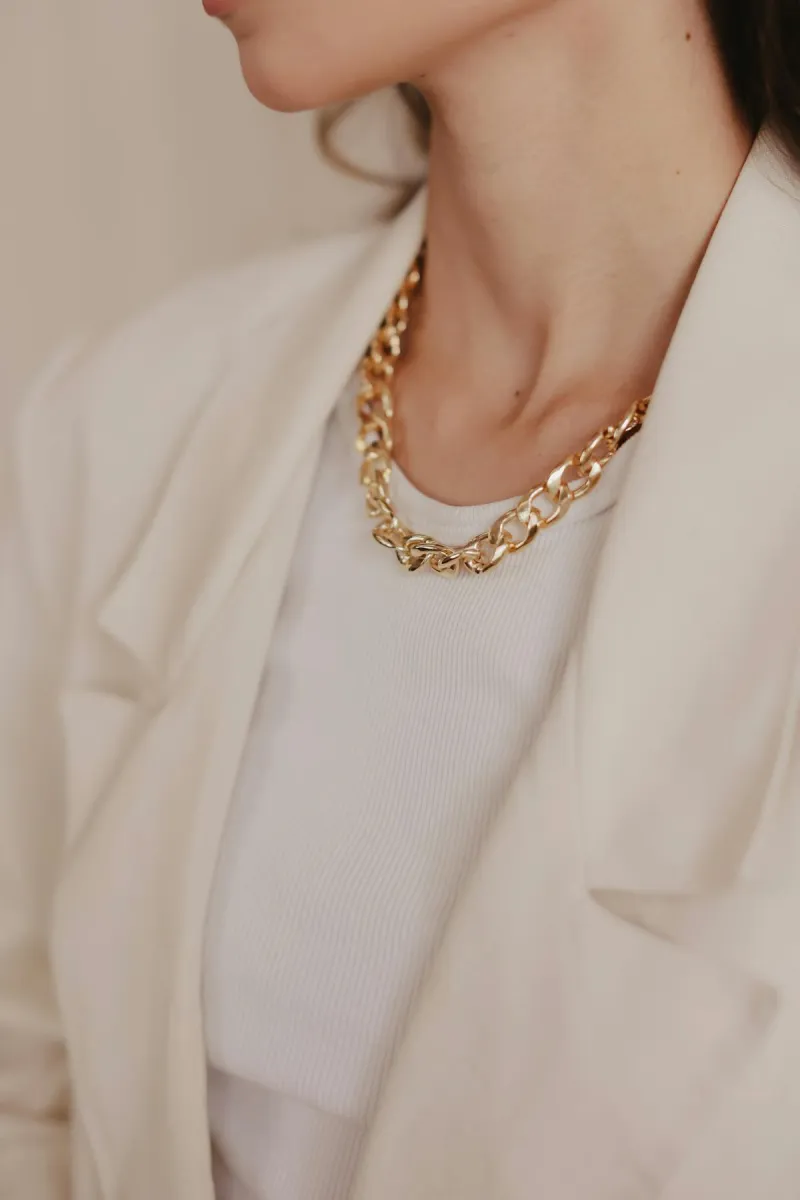
Choker necklaces are among the most distinctive and transformative jewellery styles. Sitting snugly at the base of the neck, a choker draws immediate attention to the neckline and jawline, framing the face with striking effect. Chokers have cycled in and out of mainstream fashion for centuries, but they have never truly disappeared — their ability to make a bold statement while remaining remarkably versatile ensures their enduring appeal. This guide explores choker history, materials, and the many ways to wear them in today's fashion landscape.
A Brief History of Choker Necklaces
Ancient Origins
Choker-style necklaces date back thousands of years. Ancient Sumerian and Egyptian civilisations crafted close-fitting collar necklaces from gold, gemstones, and beads as symbols of status and divine protection. These broad, ornate collars were the precursors to modern chokers.
Renaissance and Baroque Period
In the late 1500s and 1600s, European women of high society wore pearl chokers and ribbon bands around the neck, often adorned with jewelled brooches. Portraits of Queen Anne Boleyn and other Tudor-era figures frequently depict choker-style necklaces with prominent centre pendants.
Victorian Era
The Victorian period saw the choker reach its highest level of elegance. Alexandra, Princess of Wales (later Queen Alexandra), famously wore multi-strand pearl chokers, reportedly to conceal a small scar on her neck. Her style was widely emulated, establishing the pearl choker as a symbol of aristocratic refinement.
1990s Revival
The 1990s brought a dramatic choker renaissance, led by the “tattoo choker” — a stretchy, lattice-like plastic band that became ubiquitous among teenagers. Simultaneously, velvet chokers, ribbon chokers, and diamond chokers graced the red carpets, cementing the style's versatility across all age groups and budgets.
Contemporary Chokers
Today, chokers are firmly established in both fine jewellery and fashion jewellery. Designers create chokers from gold, platinum, leather, fabric, pearls, and diamonds. The style has been embraced across all genders and is a key component of modern layered necklace looks.
Types of Choker Necklaces
Metal Chain Chokers
Sleek chain chokers in gold, silver, or platinum are modern, minimalist, and endlessly versatile. Curb, cable, and herringbone chains are popular choices. They serve as excellent bases for layering with longer pendant necklaces.
Pearl Chokers
A single or multi-strand pearl choker is the epitome of classic elegance. Akoya pearls offer bright lustre, while freshwater pearls provide an affordable alternative. Pearl chokers pair beautifully with evening wear, bridal outfits, and even smart-casual looks.
Diamond Chokers
Diamond chokers range from delicate tennis-style bands to elaborate multi-row designs. They are the ultimate statement pieces for formal events and black-tie occasions.
Velvet and Ribbon Chokers
Fabric chokers in velvet or silk ribbon offer a softer, more romantic aesthetic. They are affordable, easy to customise, and available in virtually every colour. Adding a small pendant or cameo enhances their visual interest.
Leather Chokers
Leather chokers bring an edgy, bohemian, or rock-inspired feel. They can be plain, braided, or studded, and are popular in unisex and alternative fashion.
Collar Necklaces
Collars are rigid, structured chokers, often made from solid metal. They sit around the neck like a shirt collar and make a bold architectural statement.
Choker Sizing and Fit
Proper fit is critical for choker comfort. The ideal choker should sit snugly without feeling tight — you should be able to fit one finger between the choker and your skin.
| Neck Circumference | Recommended Choker Length | Fit Description |
|---|---|---|
| 30–32 cm (12–12.5") | 33–35 cm (13–14") | Petite, close fit |
| 33–35 cm (13–14") | 36–38 cm (14–15") | Average women's fit |
| 36–38 cm (14–15") | 39–41 cm (15.5–16") | Average to generous fit |
| 39–42 cm (15.5–16.5") | 42–44 cm (16.5–17.5") | Average men's / larger women's fit |
| 43+ cm (17"+) | 45+ cm (18"+) | Generous fit |
Many chokers include extender chains (2–5 cm) to allow adjustable sizing. If purchasing a fixed-length metal choker, measure your neck with a soft tape measure and add 2–3 cm for comfort.
Styling Choker Necklaces
Neckline Pairings
- Off-the-shoulder: The ideal partner for a choker. The exposed neckline provides a clear canvas for the jewellery.
- V-neck: A choker adds a horizontal element that balances the V-shape. Layer with a longer pendant for added depth.
- Strapless: Chokers fill the bare space above a strapless neckline beautifully, preventing the area from looking empty.
- Crew neck and high necklines: Chokers can sit above the fabric for a layered effect, though this requires a slim-profile choker to avoid bulk.
Layering with Chokers
A choker serves as the shortest layer in a multi-necklace arrangement. Follow these guidelines:
- Pair a chain choker with a princess-length pendant and an opera-length chain for a three-tier look.
- Keep the choker simple if the longer necklaces have pendants or embellishments.
- Match metals across layers or mix gold and silver intentionally for a contemporary vibe.
See our jewellery styles section for layering tutorials.
Chokers for Different Occasions
- Casual: Leather, fabric, or a thin gold chain choker.
- Office: A simple gold or pearl choker projects polish without being overly flashy.
- Evening: Diamond or gemstone chokers create dazzling impact.
- Bridal: Pearl or diamond chokers complement wedding gowns with strapless or V-necklines. See our gift guides for bridal recommendations.
Caring for Choker Necklaces
- Metal chokers: Clean with warm soapy water. Polish gold and silver regularly.
- Pearl chokers: Wipe with a damp cloth after every wear. Never submerge in water or use chemicals.
- Velvet/ribbon chokers: Spot clean with a damp cloth. Store flat to prevent creasing.
- Leather chokers: Condition with leather balm periodically to prevent drying and cracking.
- All chokers: Store flat or hanging to maintain shape. Avoid bending rigid metal chokers.
Visit our jewellery care hub for detailed cleaning methods.
Frequently Asked Questions
Do chokers suit every neck type?
Chokers can be flattering on all neck types. Those with shorter necks may prefer thinner chokers that do not visually shorten the neck further, while those with longer necks can wear wider or multi-strand designs.
Are chokers comfortable to wear all day?
A properly sized choker should be comfortable for extended wear. Ensure there is enough room to breathe and swallow without restriction. Adjustable extender chains help achieve the ideal fit.
Can men wear choker necklaces?
Yes. Leather chokers, thin metal chain chokers, and cord chokers are popular men's accessories in many fashion subcultures.
How do I measure for a choker?
Wrap a soft tape measure around the base of your neck where you want the choker to sit. Add 2–3 cm (about 1 inch) for comfort. This is your ideal choker length.
Can I layer a choker with other necklaces?
Absolutely. Chokers are the foundation of most layered necklace looks. Combine with princess-length and matinee-length necklaces for a curated, on-trend effect.
Conclusion
Choker necklaces have an extraordinary ability to transform an outfit and frame the face with instant impact. From the regal pearl chokers of Victorian queens to the modern diamond chains on today's red carpets, the style has proven its adaptability across centuries and cultures. Whether you choose a delicate gold chain, a luxurious pearl strand, or an edgy leather band, a well-chosen choker is a powerful addition to any jewellery collection.