Diamond Education Guides
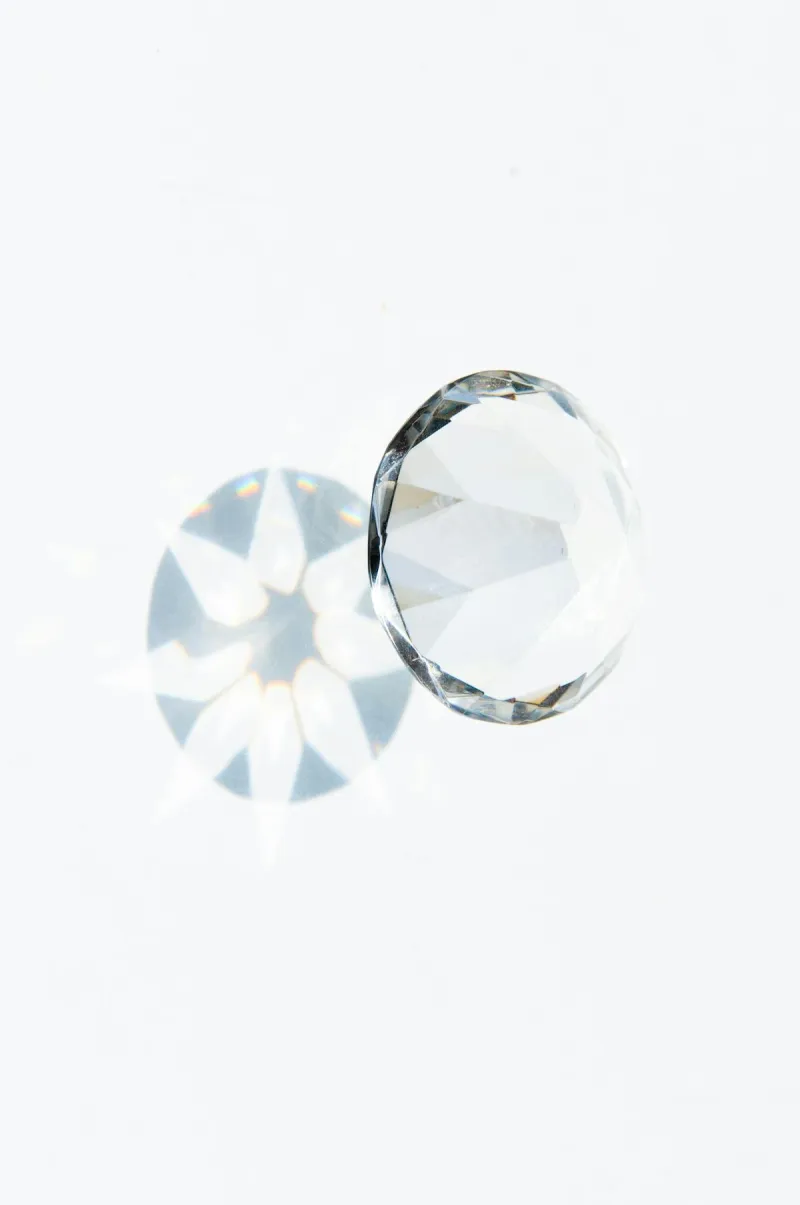
Welcome to the Diamonds and Gem diamond education centre. Whether you are shopping for an engagement ring, investing in a loose stone, or simply curious about the world's most coveted gemstone, our guides will give you the knowledge you need to make confident, informed decisions. Every article below has been written by jewellery professionals and gemologists to ensure accuracy, depth, and practical value.
Understanding Diamond Basics
Before diving into grading scales and price charts, it helps to understand what a diamond actually is. Diamonds are crystalline forms of carbon that formed deep within the Earth's mantle under extreme heat and pressure, typically between one and three billion years ago. Their unmatched hardness, brilliance, and fire have made them the centrepiece of fine jewellery for centuries.
- What Is a Diamond? — Explore the science, history, and unique properties that set diamonds apart from every other gemstone.
- Are Diamonds Rare? — Understand the real supply picture and why diamond rarity is more nuanced than most people think.
- How Diamonds Are Mined — From kimberlite pipes to alluvial deposits, learn about the journey from rough stone to polished gem.
The 4Cs of Diamond Quality
The Gemological Institute of America (GIA) developed the 4Cs system — Cut, Color, Clarity, and Carat Weight — as a universal language for describing diamond quality. Understanding each factor is essential for comparing stones and getting the best value for your budget.
- Diamond Cut — Often considered the most important C, cut determines how well a diamond interacts with light.
- Diamond Color — Learn the D-to-Z colour scale and discover which grades offer the best balance of beauty and value.
- Diamond Clarity — Inclusions and blemishes affect clarity grades. Find out which flaws matter and which are invisible to the naked eye.
- Diamond Carat Weight — Carat measures weight, not size. Understand how carat interacts with cut and shape to affect appearance.
Shapes, Styles, and Certification
Beyond the 4Cs, the shape of a diamond and the laboratory that grades it play a significant role in both aesthetics and pricing. A well-chosen shape can make a diamond look larger, while a trusted certificate gives you confidence in what you are buying.
- Diamond Shapes — Round, princess, oval, emerald, cushion, and more — compare the most popular shapes side by side.
- Diamond Certification — GIA, AGS, IGI, and other labs: learn what each certificate tells you and which ones to trust.
- Diamond Fluorescence — Is fluorescence a flaw or a feature? Get the facts about this often-misunderstood property.
Natural vs. Lab-Grown and Alternatives
The diamond market has expanded dramatically in recent years. Lab-grown diamonds offer the same chemical composition as natural stones at a fraction of the price, while simulants like moissanite and cubic zirconia provide budget-friendly sparkle with different trade-offs.
- Natural vs. Lab-Grown Diamonds — A balanced comparison covering quality, price, resale value, and environmental impact.
- Lab Diamonds Explained — How HPHT and CVD processes create real diamonds in a matter of weeks.
- Diamond vs. Moissanite — Compare hardness, brilliance, price, and long-term value between these two popular choices.
- Diamond vs. Cubic Zirconia — Understand why CZ looks similar at first glance but differs significantly over time.
Buying, Pricing, and Ethics
Armed with gemological knowledge, you are ready to shop smartly. Our buying guides walk you through real-world scenarios, common pitfalls, pricing dynamics, and the ethical considerations that matter to today's consumers.
- How to Choose a Diamond — A step-by-step framework for finding the right stone within your budget.
- Diamond Buying Mistakes — Avoid the costly errors that catch first-time buyers off guard.
- Diamond Pricing Guide — Understand how the 4Cs, market trends, and retailer margins affect the price you pay.
- Diamonds as an Investment — Are diamonds a smart investment? Learn about investment-grade stones, resale realities, and fancy coloured diamonds.
- Diamond Resale Value — What to expect when selling a diamond, including typical recovery rates and where to sell.
- Ethical Diamonds — Conflict-free sourcing, the Kimberley Process, and responsible supply chains explained.
Diamond Care
A diamond may be the hardest natural substance on Earth, but the setting and metal around it still need regular attention. Proper cleaning and storage habits will keep your diamond jewellery looking brilliant for generations.
- How to Clean a Diamond Ring — Safe, effective methods for at-home cleaning plus tips on professional maintenance.
| Guide Category | Number of Guides | Best For |
|---|---|---|
| Diamond Basics | 3 | Beginners wanting foundational knowledge |
| The 4Cs | 4 | Understanding diamond grading and quality |
| Shapes & Certification | 3 | Choosing the right look and verifying quality |
| Alternatives | 4 | Comparing natural, lab-grown, and simulant options |
| Buying & Ethics | 4 | Smart purchasing and responsible sourcing |
| Care | 1 | Maintaining diamond jewellery over time |
Frequently Asked Questions
Which of the 4Cs is most important?
Most gemologists agree that cut has the greatest impact on a diamond's beauty. A well-cut diamond maximises light return, making it appear brighter and more lively even if it scores lower on colour or clarity. Start with cut, then balance the remaining Cs to fit your budget.
Are lab-grown diamonds real diamonds?
Yes. Lab-grown diamonds have the same chemical composition, crystal structure, and optical properties as natural diamonds. The key differences lie in origin, price, and long-term resale value. Our natural vs. lab diamonds guide covers these distinctions in detail.
How much should I spend on a diamond?
There is no universal rule. The old guideline of spending two or three months' salary is a marketing invention. Instead, set a budget you are comfortable with and use our diamond pricing guide to maximise quality within that range.
Do I need a certified diamond?
For any significant purchase, a certificate from a reputable laboratory such as GIA or AGS is strongly recommended. It provides an independent assessment of the diamond's quality and protects you from overgrading. Read our certification guide for more information.
Start Your Diamond Education
Knowledge is the most powerful tool you can bring to any diamond purchase. Browse the guides above at your own pace, and remember that every topic interconnects. Understanding cut will help you appreciate why certain shapes perform better, which in turn affects pricing and the overall value you receive.
If you are also exploring coloured gemstones, visit our gemstones section. For guidance on the metals used in diamond jewellery, head to our metals guide. And when you are ready to shop, our buying guides will walk you through the process from start to finish.